
The first boat of a winter day leaves the Volendam harbor for Marken at 11:00, and the last one back from Marken goes at 17:30. Everything else about a day in Volendam, Marken and Edam hangs off those two times, because the boat is the only direct link between the two villages. Miss the last one and you are on two buses and a change to cover a distance you could almost swim.
In summer the same boat runs every 45 minutes from half past ten, and the three towns fill up with the coach parties that the tour desks at Centraal send north every morning. Volendam, Marken and Edam sit within a few kilometers of each other on the old Zuiderzee shore, half an hour from Amsterdam, and they are not three versions of the same postcard. Volendam is a Catholic fishing town that turned its sea dike into a promenade. Marken was an island of Protestant fishermen until a dike reached it in 1957, and it still feels like one; Edam is a small, quiet trading town with canals, a lock under its main square and the cheese that carries its name around the world.
You can see all three on a €13.50 (about US$16) bus day ticket and a €10 (about US$12) boat, without a guide, a coach or a fixed lunch stop. What follows is how to do that, what each town is actually like, when a tour makes more sense, and a plan for the day in summer and in winter.



Which of the three, and whether to take a tour
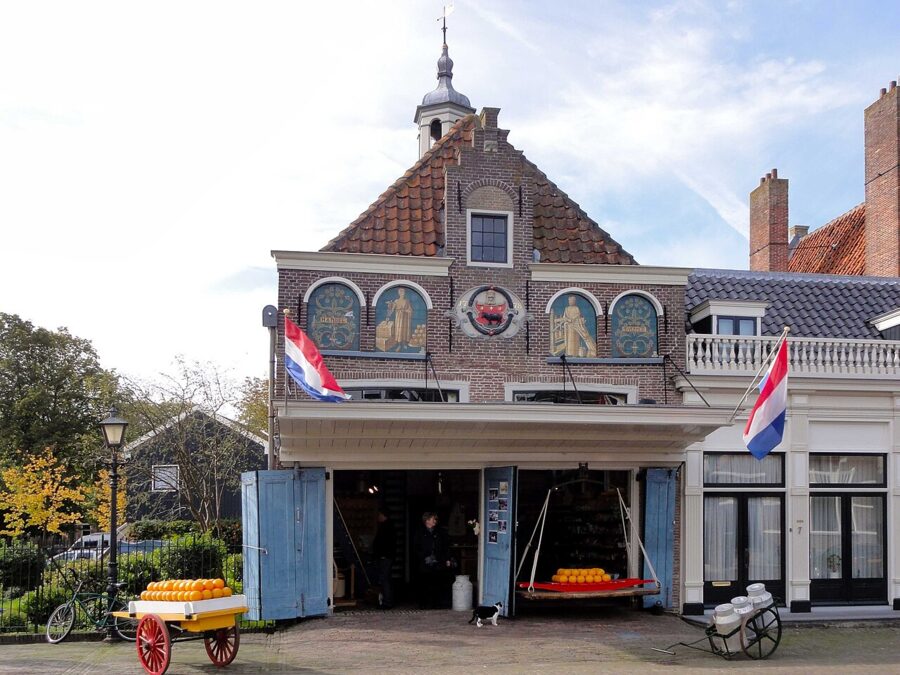
If you have a full day, do all three: the distances are short and the boat ties two of them together. If you have half a day, pick by temperament. Edam is the one I would choose for a single stop, a real small town of about 7,400 people with canals, bridges, a good town museum and far fewer coaches. Marken is the most striking to look at and the quietest once the boat has left; Volendam is the busiest and the most commercial, and it is where you go for smoked fish on the dike and the costume photo.
| Volendam | Marken | Edam | |
|---|---|---|---|
| What it is | Fishing town with a harbor promenade | Former island of wooden houses on mounds | Historic trading town with canals |
| Time to allow | 1.5 to 2 hours | 2 to 3 hours with the lighthouse walk | 2 hours |
| Bus from Amsterdam | 316 from Centraal | 111 from Amsterdam Noord (metro 52) | 316 or 314 from Centraal |
| Best for | Fish, the dike, the boat to Marken | Houses, the Paard van Marken, quiet | Canals, cheese, a calm lunch |
| Skip if | You dislike crowds and souvenir shops | You will not walk | You only have an hour |
Doing it yourself is easy and cheap. A day on the buses and a one-way crossing to Marken cost €23.50 (about US$27) as of 2026, and you choose the order, the lunch and the time you leave. The tours earn their money in other ways, which I come to further down.
Getting there
By bus from Centraal
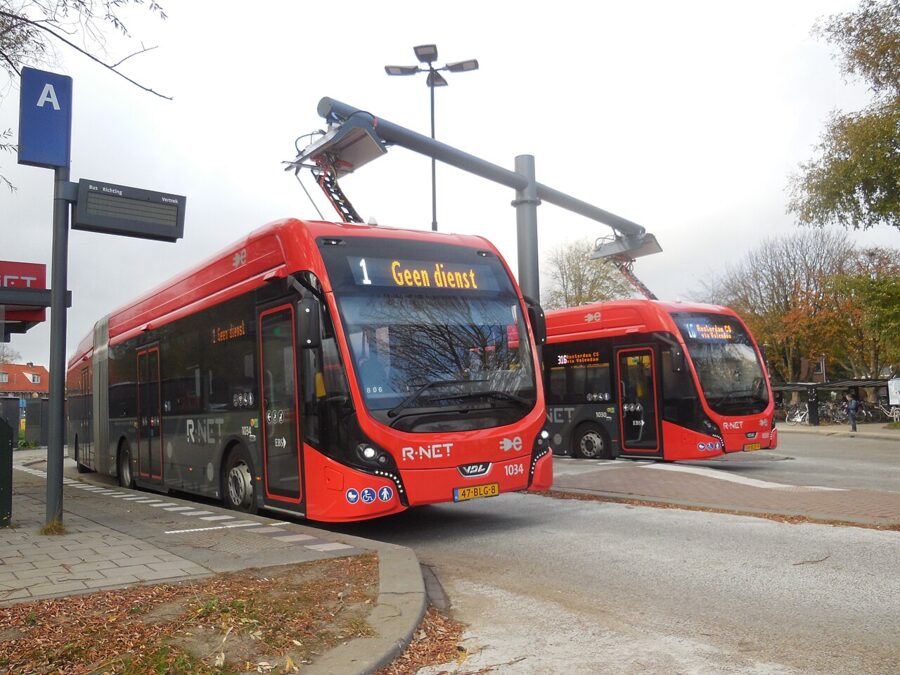
The buses to all three run under the MeerPlus name, operated by EBS, from the bus station on the IJ side of Amsterdam Centraal: the IJzijde, at the back of the station facing the water. GVB’s trams and metros do not run out here, and GVB’s own day tickets do not cover these buses.
- Volendam and Edam: bus 316 runs from Centraal through Volendam and ends at Edam. MeerPlus gives the ride to Volendam as about 25 minutes; allow half an hour. It runs about every 15 minutes in the daytime.
- Edam directly: bus 314, the Hoorn line, stops at Edam bus station on the edge of town.
- Marken: bus 111 runs from the bus station at Amsterdam Noord, the end of metro 52 from Centraal, out to Marken. In the rush hours some 315 buses run to Marken too.
- Between Edam and Volendam: the 316 links them in a few minutes. On foot it is about 3 km.
In Volendam, roadworks have closed the Zeestraat/Centrum stop near the museum. Get off at Weegschaalstraat/Centrum, which the bus announces as Centrum, and follow the signs to the harbor. A new timetable starts on 13 December 2026: in the rush hours bus 111 drops from every 15 to every 20 minutes, and the last evening run from Amsterdam Noord to Marken goes through Monnickendam. Check the day’s times in the MeerPlus timetable or the 9292 app before you go.
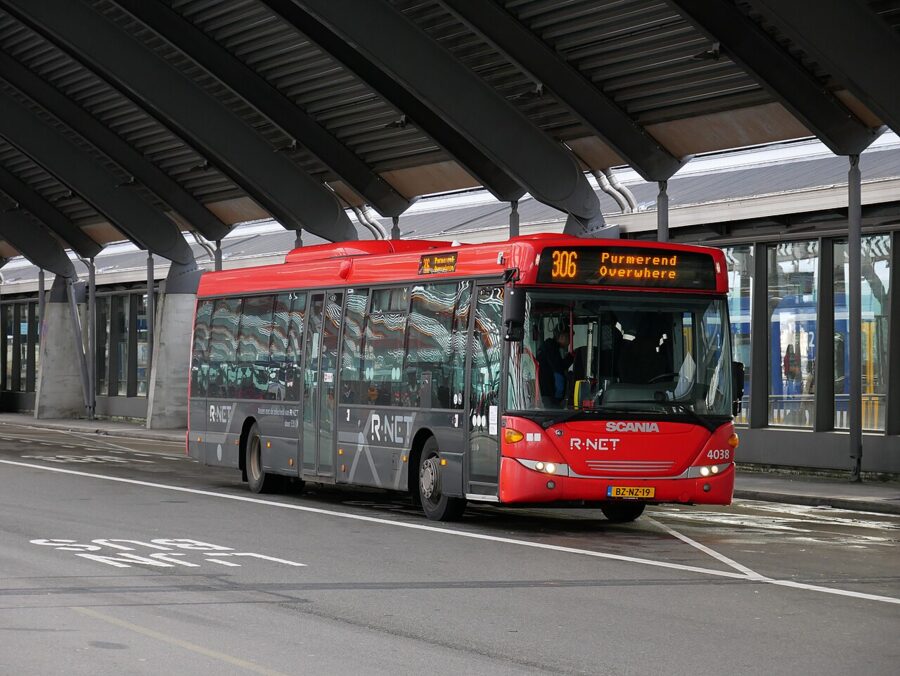

Paying is simple. Tap a contactless debit or credit card on the reader when you board and again when you get off, one card per person. If you will ride more than twice, buy the MeerPlus Dagkaart Zaanstreek-Waterland from the driver or a service desk: €13.50 for a calendar day on every MeerPlus bus in the region, as of 2026.
Children aged 4 to 11 ride free on a Kinderdagkaartje, which the driver hands out when they travel with a paying adult. The day ticket is paper with a chip, so it still has to be checked in and out.
The Amsterdam & Region Travel Ticket covers EBS buses as well as GVB, trains within the area and other regional lines: €23 (about US$27) for one day, €34 for two and €44 for three, as of 2026. It only pays off if you also use it in the city that day or add Zaanse Schans. For the three towns alone, the Dagkaart is cheaper.

The Marken Express boat
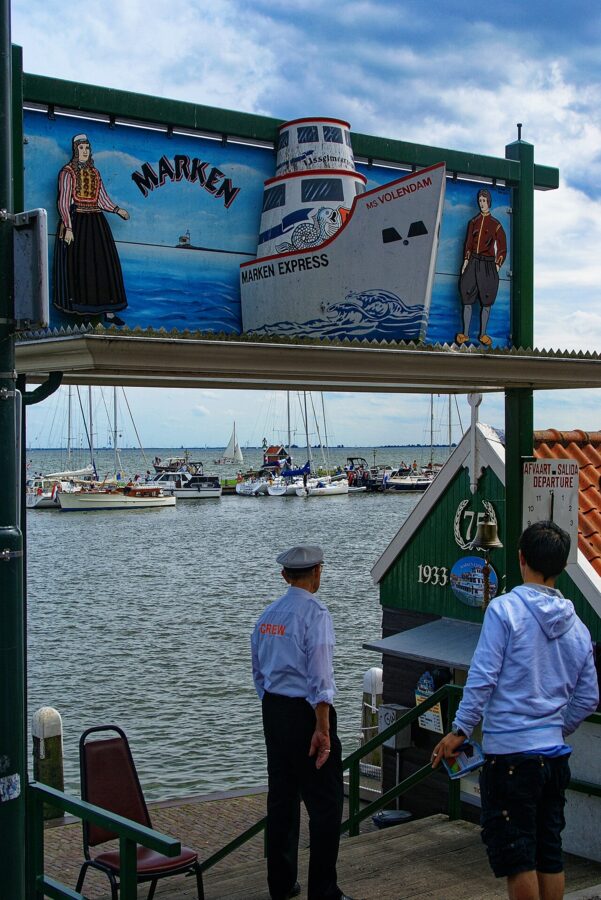
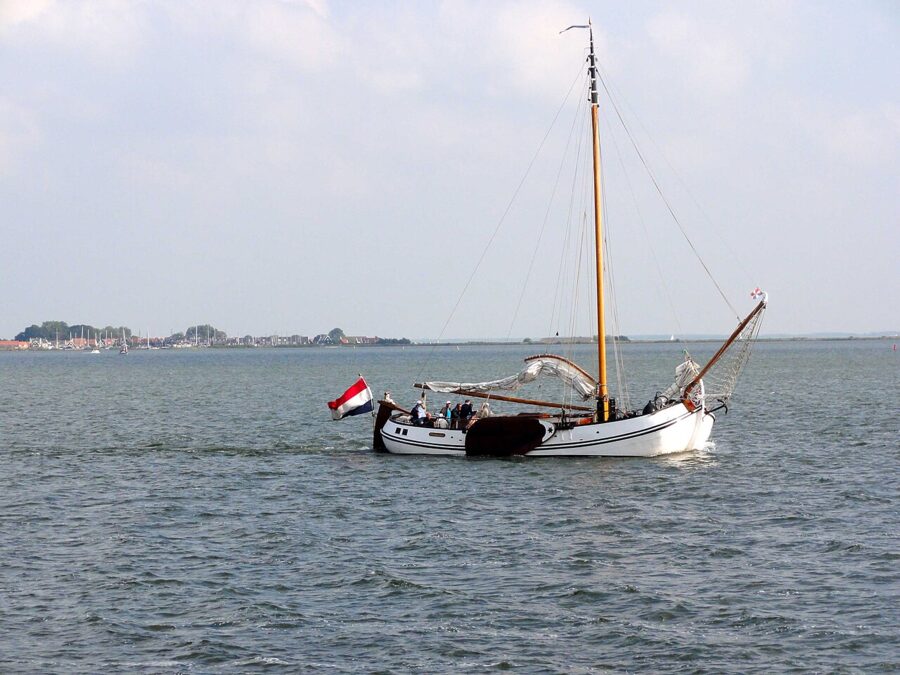
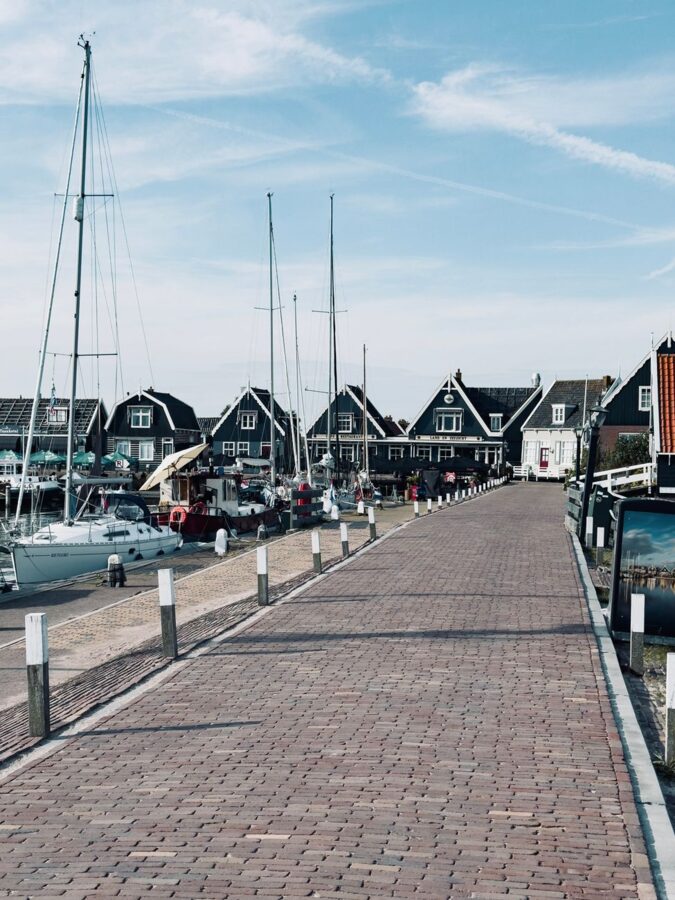
The Volendam Marken Express sails every day between Haven 39 in Volendam and Havenbuurt 19 in Marken, and the crossing takes 30 minutes. The company has run the route for about a century and still pitches it as the old ferry rather than a cruise. The boats are heated, with a toilet, a bar and an open upper deck, and the commentary on the way over is about how different the two villages are: their houses, their harbors and even their faith, Catholic in Volendam and Protestant on Marken.
The timetable changes with the season, and the last boat is the one to watch. As of late November 2026 the winter times are:
| From Volendam | From Marken |
|---|---|
| 11:00 | 11:45 |
| 12:30 | 13:15 |
| 14:00 | 14:45 |
| 15:30 | 16:15 |
| 17:00* | 17:30* |
The operator marks that last pair with an asterisk it does not explain, so I would not build a winter day around them. In the 2026 summer season the boat left Volendam every 45 minutes from 10:30, with extra early and late sailings on busy days and the last boat from Marken around 19:00. The company says times can change and points to the current table on its homepage, which is the one to trust on the day.
Fares as of 2026 are €10 one way for an adult and about €16 return; children aged 4 to 11 pay half, and children up to 3 travel free. A bike costs a few euros extra per crossing and needs a ticket but no booking. Dogs on a lead are welcome. Tickets bought online are valid for a year on any sailing but cannot be cancelled, and you can also buy at the ticket hut on the quay.
Most people only need one way. Take the boat from Volendam to Marken and bus 111 from Marken back toward Amsterdam, or the reverse in the morning.
Cycling the Waterland
The best way to arrive, in good weather, is on a bike. From behind Centraal, the free GVB ferry F3 crosses the IJ to Buiksloterweg in Amsterdam-Noord, and from there it is a little over 20 km of flat cycle paths through Waterland to Volendam, by way of Broek in Waterland and Monnickendam. The Dutch junction network (knooppunten) makes it easy: you follow numbered posts from one junction to the next.
The Marken Express takes bikes, so a loop works neatly. Ride out to Volendam and Edam, cross to Marken by boat, and ride back to Amsterdam along the Gouwzee and through Waterland. Rent & Event Volendam rents bikes and e-bikes in the village if you would rather take the bus out and ride only the local loop. Plan for the wind off the water, and ride into it in the morning while your legs are fresh.
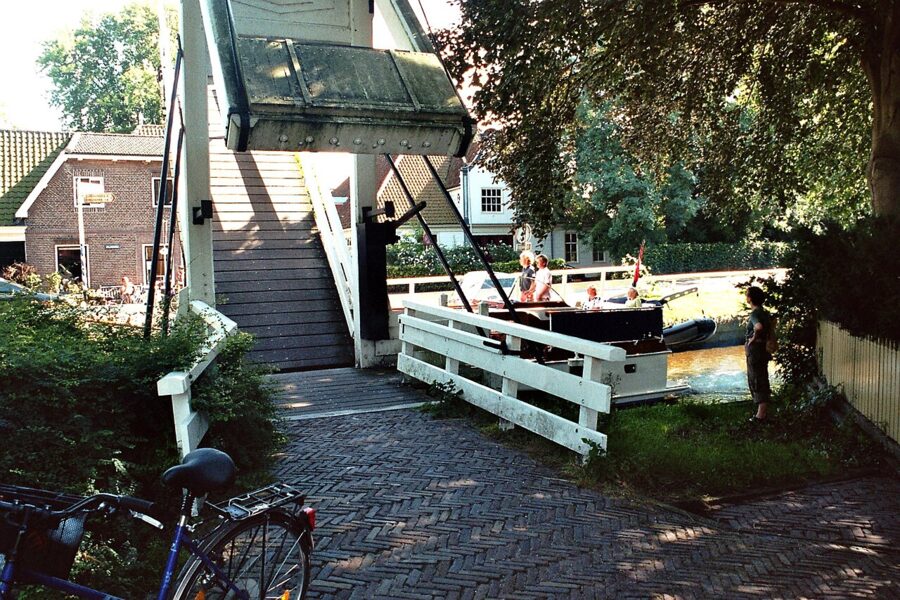

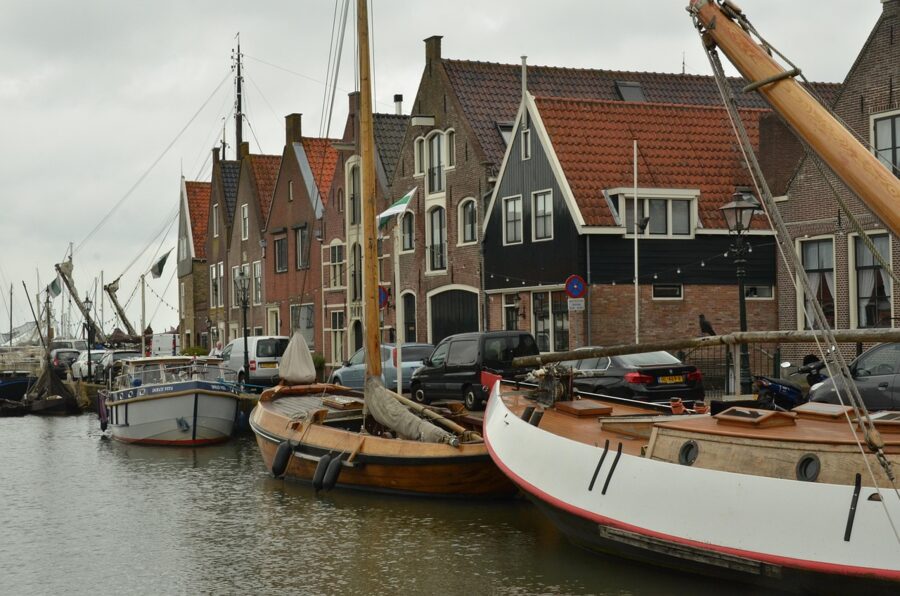
Volendam
Volendam exists because of Edam. In 1357 Edam dug itself a shorter channel to the Zuiderzee and dammed off its old harbor, and the settlement that grew at the dammed end was called Folle(n)dam. It is the same kind of origin as Amsterdam’s own Dam Square, a dam that became a place. Farmers and fishermen settled there, and for six centuries this Catholic village lived off the Zuiderzee.
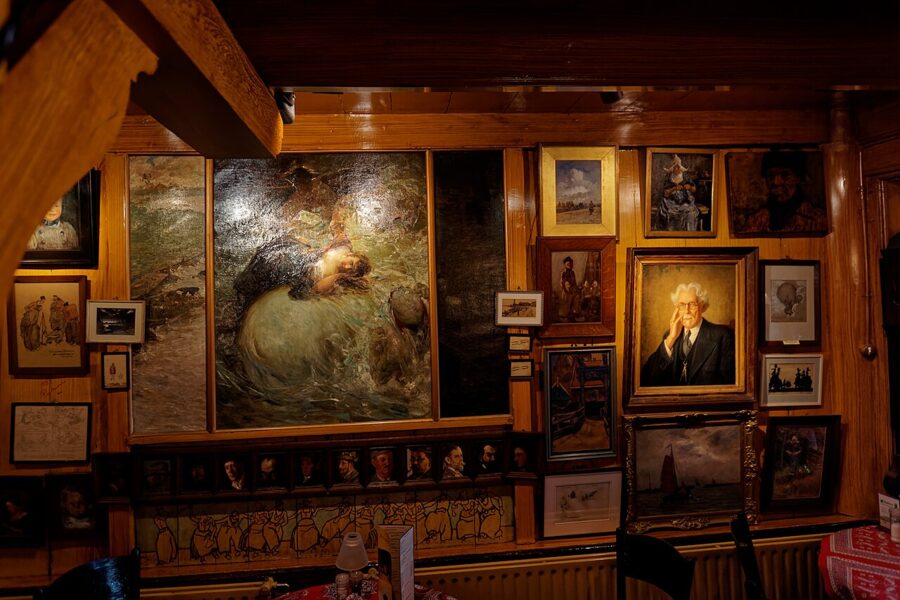
The Afsluitdijk, closed in 1932, turned the salt sea into a freshwater lake and ended most of that. What replaced the fishing was tourism, which had been building since painters started arriving in the late 19th century and recording the local costume. Hotel Spaander, their meeting place, still manages a collection of more than 1,300 works made in the village.

The dike and the harbor
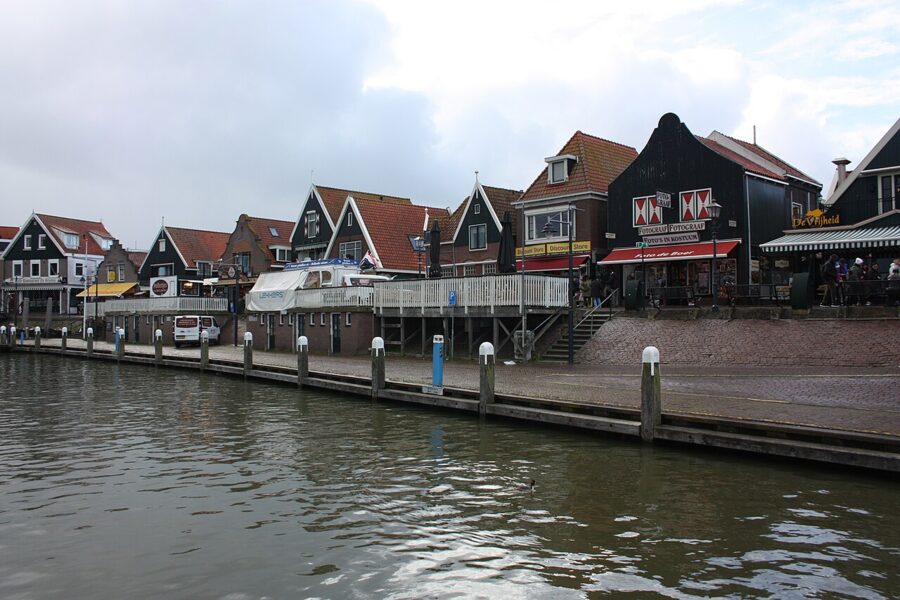
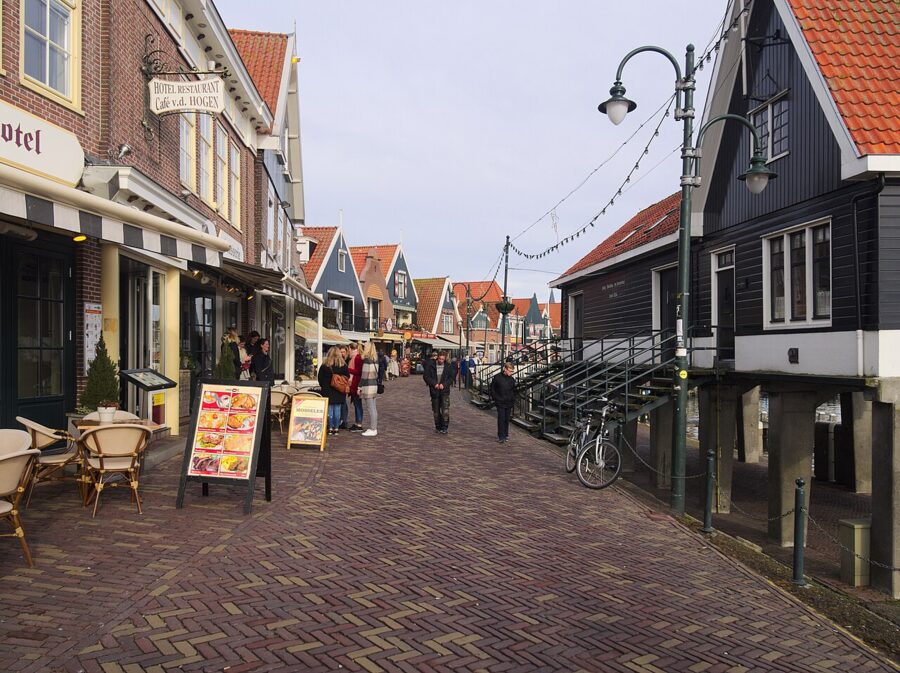
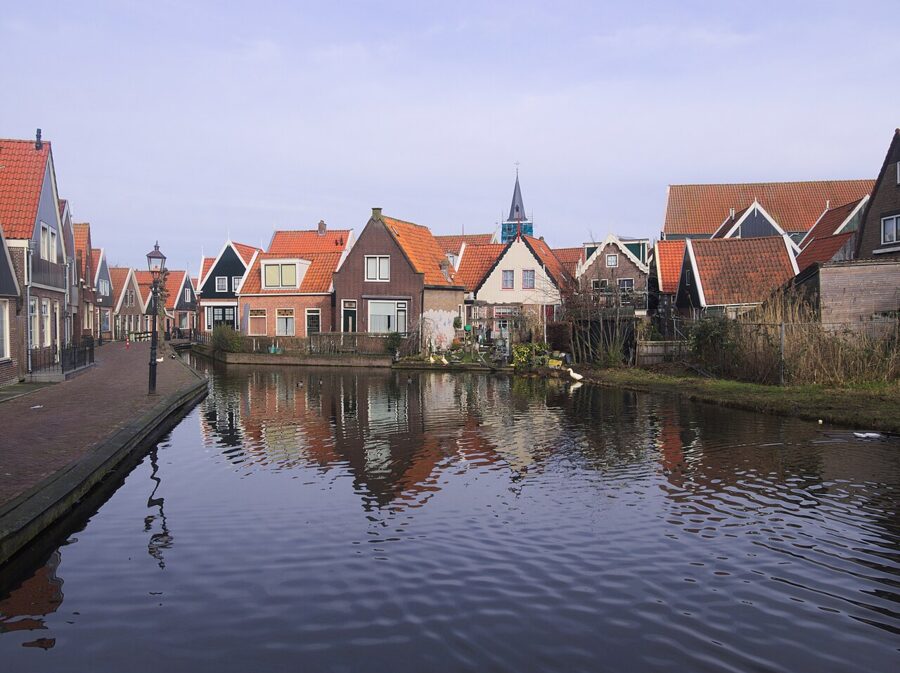
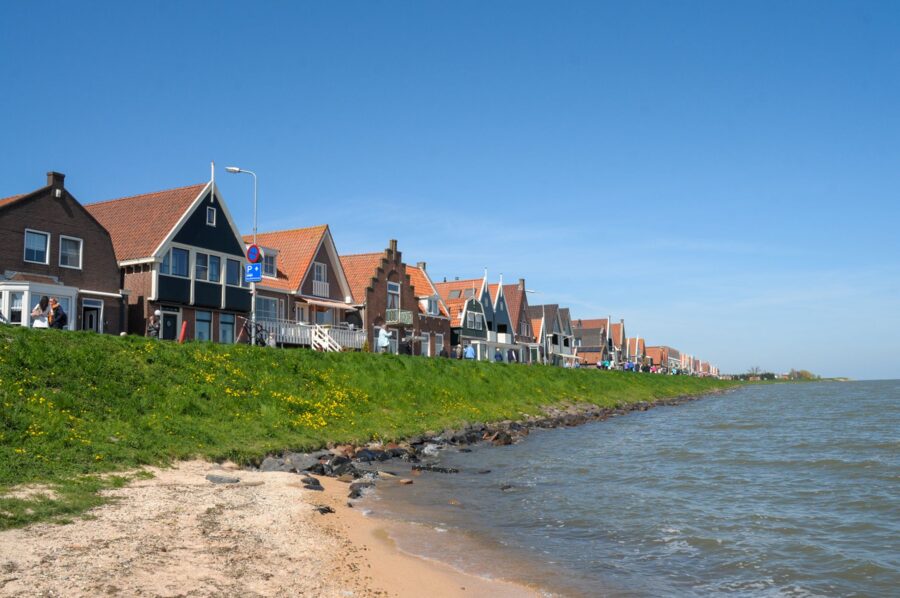
Locals call the Haven simply the Dijk: a long brick promenade on top of the sea wall, with the harbor on one side and a row of narrow houses on the other. It is lively and unashamedly commercial, all fish stands, waffles, cheese shops and souvenir clogs. Walk it once end to end and then drop down the steps on the landward side. Behind the dike, the old streets of small wooden and brick houses are far quieter, and they are the part of Volendam that looks like the paintings.

The VVV tourist office runs a one-hour City Walk with a guide in Volendam costume every Saturday at 14:00, starting at its office. It is in Dutch and costs €6.50 (about US$8) as of 2026, but the costume and the back streets do most of the talking.

Smoked eel and the palingsound
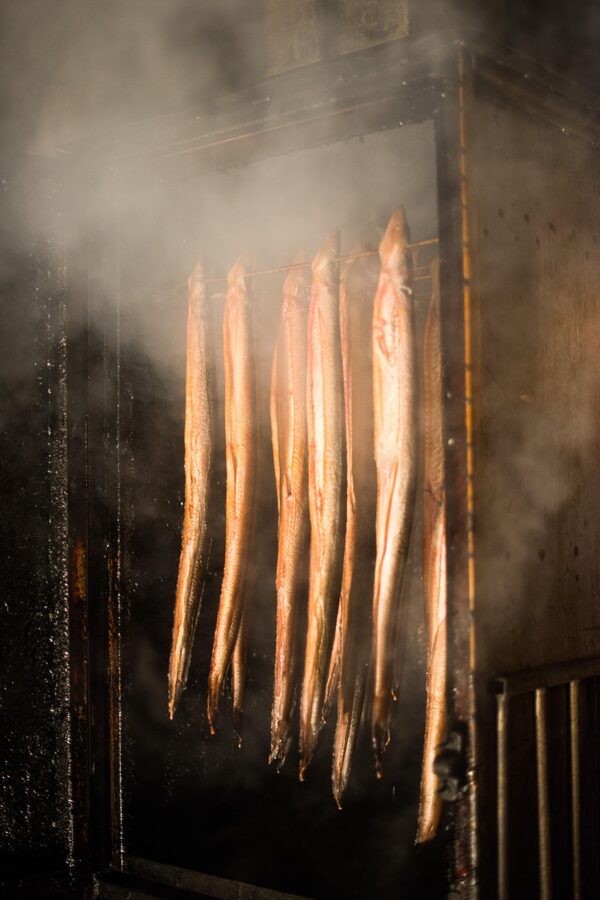
Smoked eel, gerookte paling, is the Volendam dish, eaten on bread or straight from the paper at a stand on the Dijk. Herring and kibbeling (battered fish pieces) are sold at the same counters if eel is not for you. Before you order, know that the European eel is listed as critically endangered on the IUCN Red List, which has not stopped the counters selling it.
Eel also gave its name to Volendam’s music. The village’s home-grown pop, with its musical families and singalong hits known across the Netherlands, is called the palingsound, and the Palingsoundmuseum at Paviljoen Smit-Bokkum tells its story. Among themselves, many villagers still speak their own dialect, Volendams.
The costume photo: skip it or not
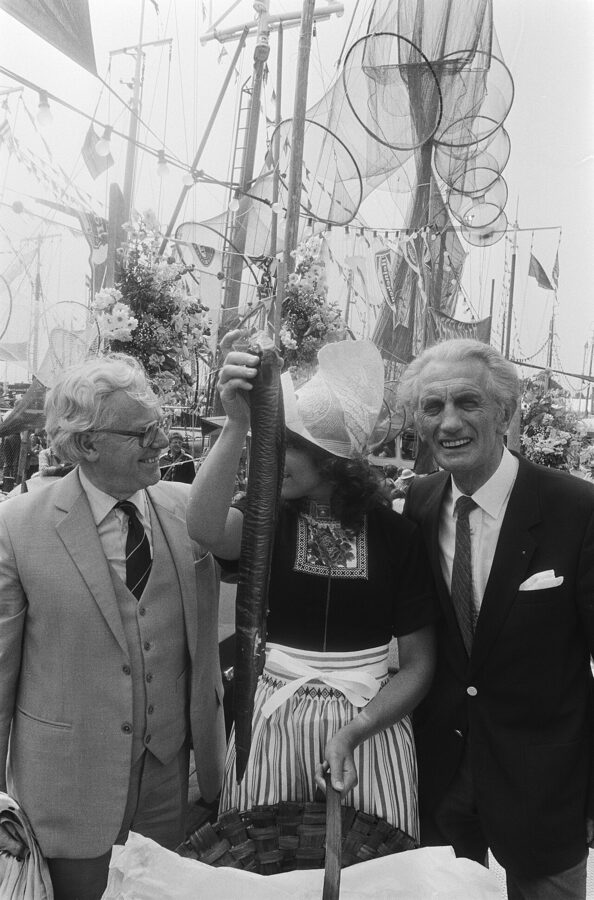
Several studios in Volendam will dress you in the local costume, including the tall pointed lace cap, the hul, and take your portrait. Fotograaf Volendam, opposite the Marken Express pier, is the one the boat company sends people to, and it says to book a time slot because it gets busy.
Is it worth it? If you like a kitsch souvenir, yes; it is quick and the result is funnier than any fridge magnet. If you want to see the real costume, go to the museum instead. Despite what some guidebooks say, nobody in Volendam wears it day to day, only on special occasions.
The Volendams Museum
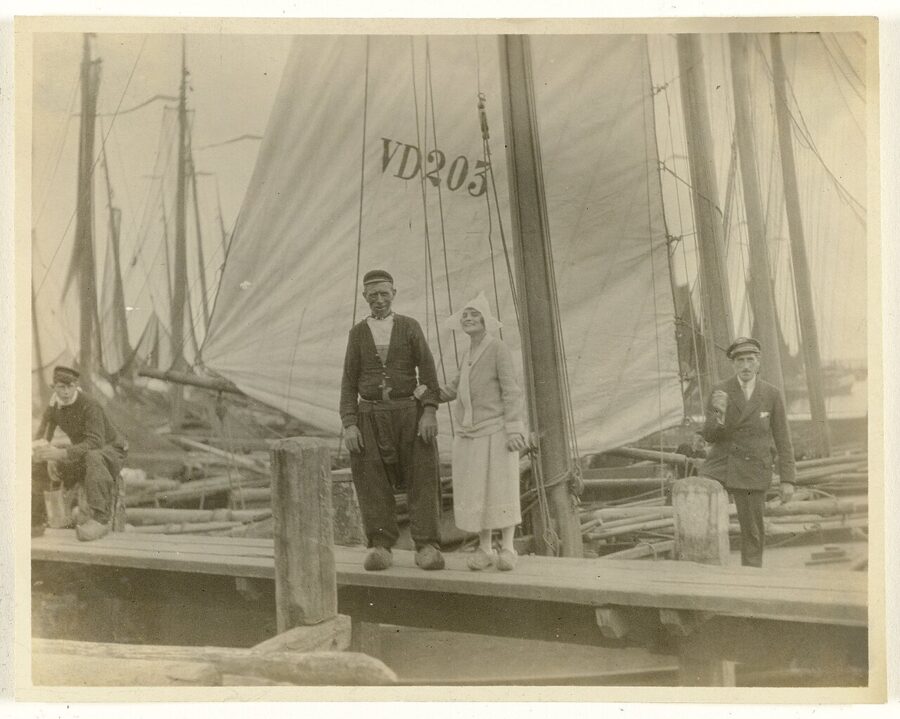
The Volendams Museum at Zeestraat 41 covers the village from 1850 to 1950: the interiors of fishermen’s houses, the costume in detail, and, its oddest exhibit, a small house inside the museum devoted to cigar bands, the Sigarenbandjesmuseum. Two exhibitions run as of late 2026. One follows Volendam’s music through the century, and Onderbroken tijd (interrupted time) is about loss, recovery and holding together.
The second has a reason behind it. On New Year’s night 2000 to 2001 a fire in Café De Hemel killed 14 people and injured about 350, most of them young, and the exhibition comes 25 years on. The museum is open Tuesday to Sunday 10:00-17:00, and for now on Mondays 11:00-16:00. Adults pay €8 (about US$9) as of 2026; the Museumkaart and the I amsterdam City Card get you in free.
Marken
Marken was cut off from the mainland by a storm flood in 1164. In 1232 Norbertine monks from Mariëngaarde in Friesland were given the island and began diking it; they were thrown out in 1345 for being Frisian, and the dikes went untended. From then on the islanders lived with the water, raising their houses on mounds and fishing the Zuiderzee.
The sea kept coming. The storm flood of 1916 killed 16 people on the island, the same flood that ruined the villages of Waterland north of Amsterdam. The Afsluitdijk took away the fishing in 1932, and on 17 October 1957 a dike to the mainland was closed and Marken stopped being an island. It was meant to end up inside the Markerwaard polder; when that plan died, Marken was left as a peninsula, home to about 1,700 people.
The houses
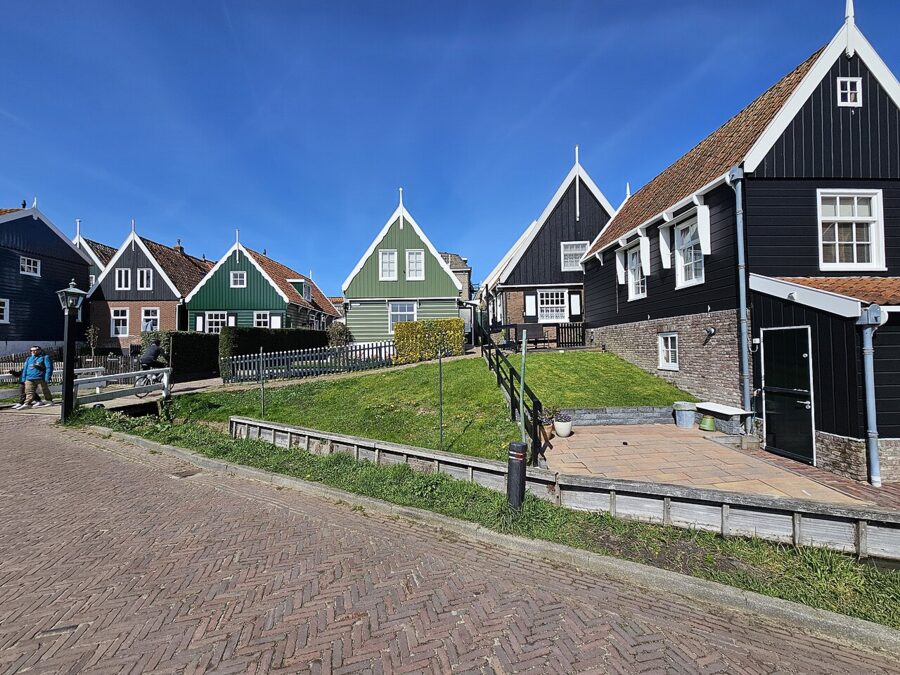
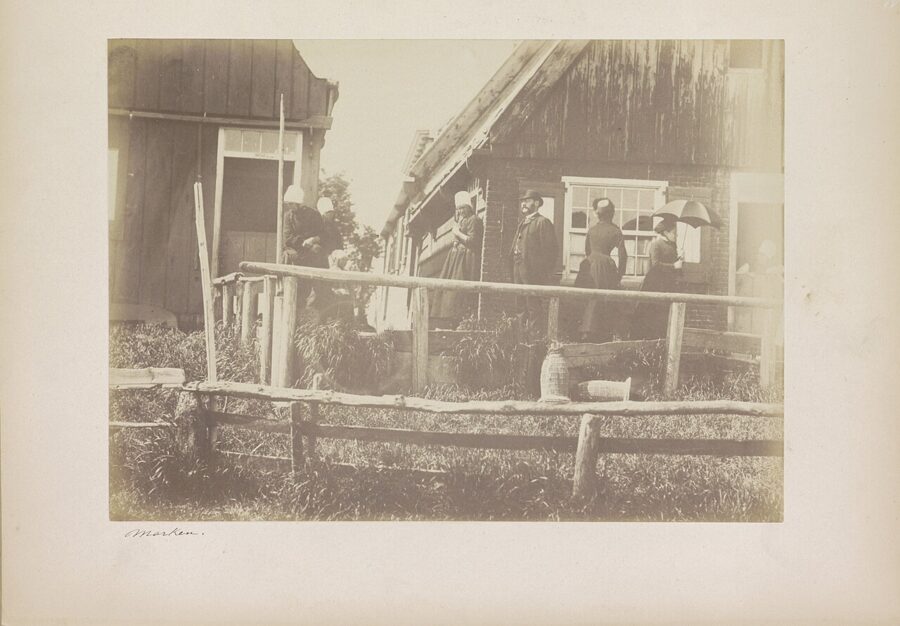
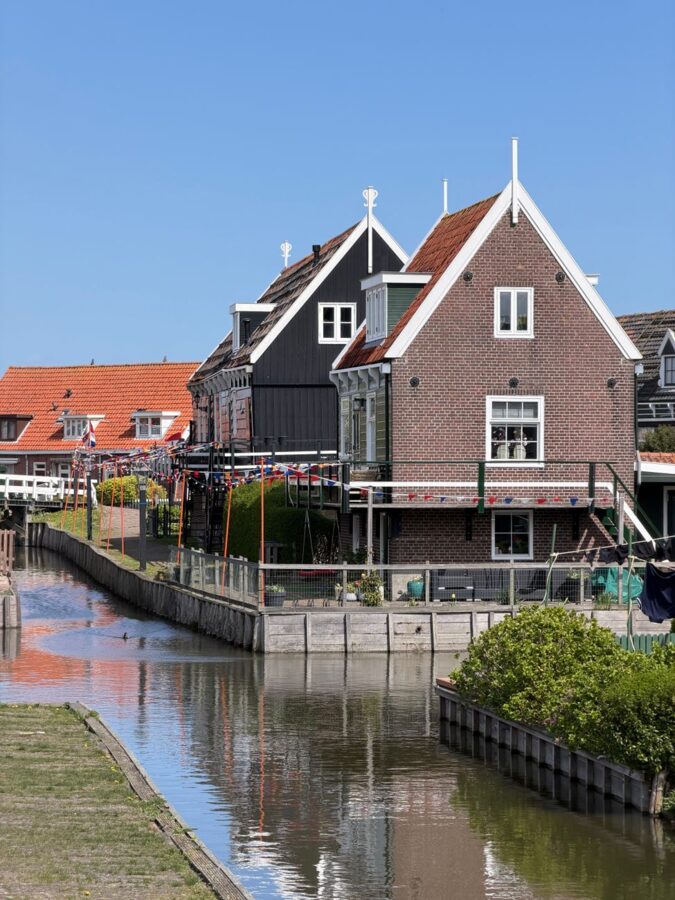
The village is a set of separate neighborhoods, each on its own mound. Of the 27 werven the islanders built, 15 survive and 11 are still lived on. The Kerkbuurt, around the church, is the largest and densest, and it goes back to the monks’ settlement. When the mounds filled up in the 19th century the Markers started building on piles instead, and after the Afsluitdijk took the flood risk away they closed in the space under those houses, which is why so many have a lower floor that was once open to the water.
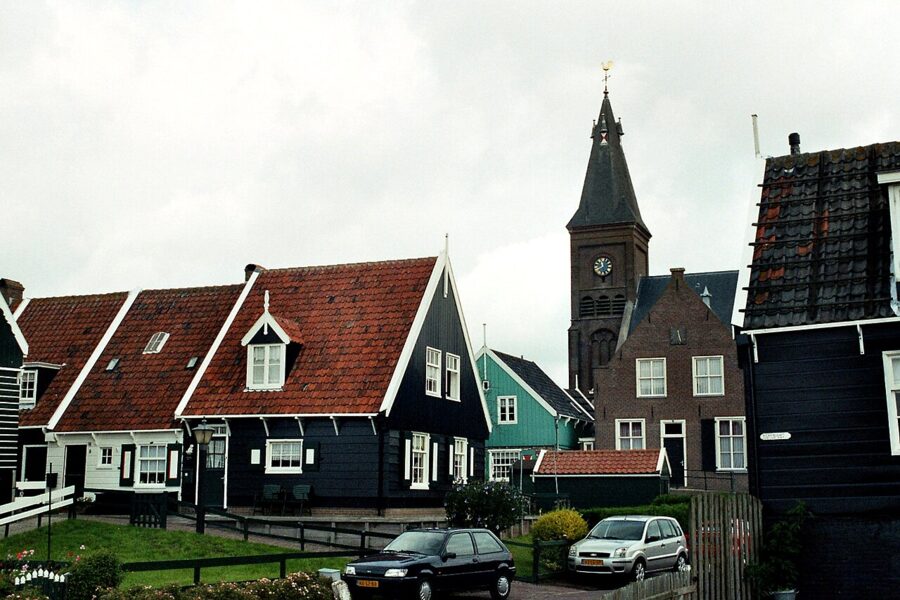

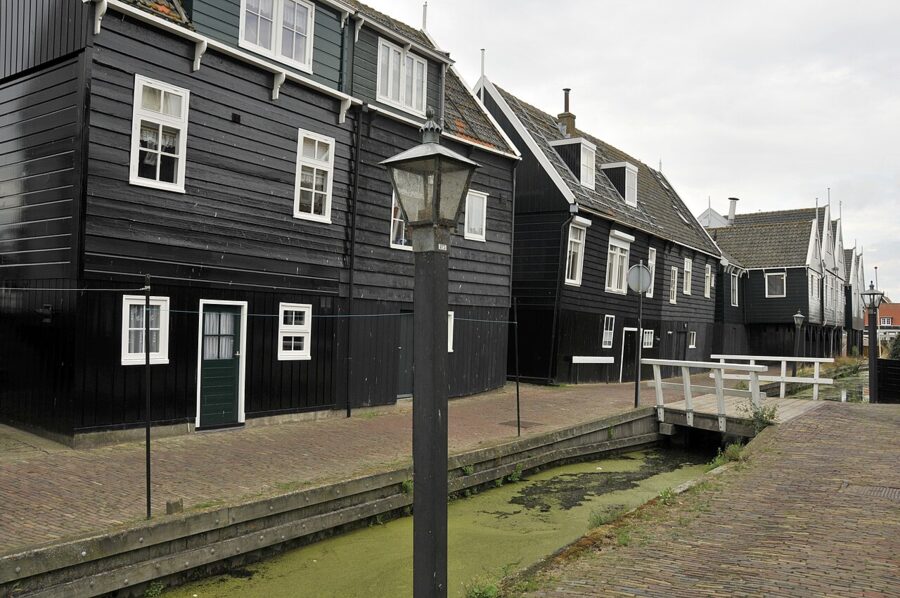
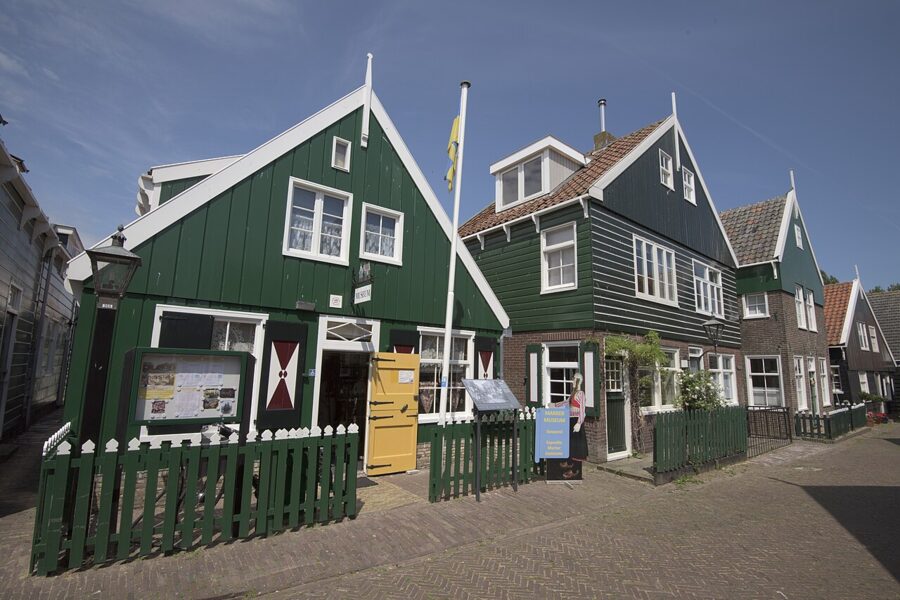
The houses are wooden, tarred black or painted dark green with white trim, and built so close together that some alleys between them are barely a shoulder wide. The Havenbuurt, around the harbor where the boat docks, is the prettiest part, with drawbridges over the ditches. A short loop through the Kerkbuurt, the Kerkbuurt-ommetje, is about 2 km.

These are homes, and Marken has had enough of being treated as an open-air museum. The village’s own welcome rules ask you to keep the noise down, leave gardens and houses private, respect residents’ privacy, use the bins and park in the car park; driving into the village without a permit is not allowed. Guides may take groups of no more than 40 and may not start a tour after 19:00. Do not photograph people through their windows, the one rule you could break without noticing.
The Marker Museum
The Marker Museum fills six joined houses at Kerkbuurt 44-47. One is furnished as an island home of the 19th and early 20th century; the rest cover fishing, religion, the fight against the water and the Marken costume, which is unique in the Netherlands, heavily embroidered, and told the onlooker a person’s stage of life and the occasion. Entry is €4 (about US$5) for adults and €2 for children up to 12, as of 2026.
It is closed for the winter from 1 November 2026 to 20 March 2027. In the 2026 season it opened daily 10:00-17:00, Sundays 12:00-16:00, with shorter hours in October. The clog workshop (Klompenfabriek) and a furnished viewing house (kijkhuisje) are the other indoor stops on the island.
The walk to the Paard van Marken
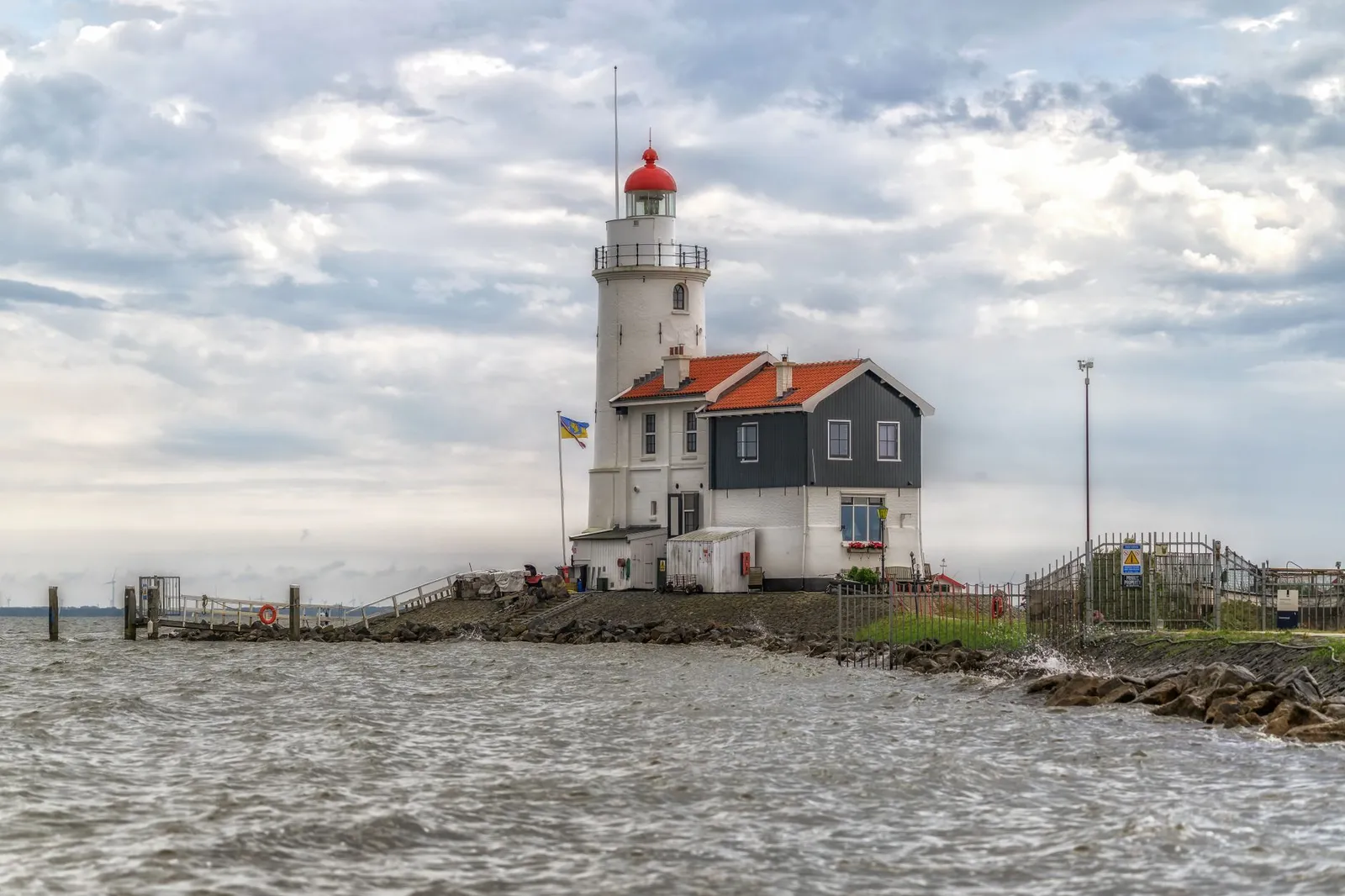
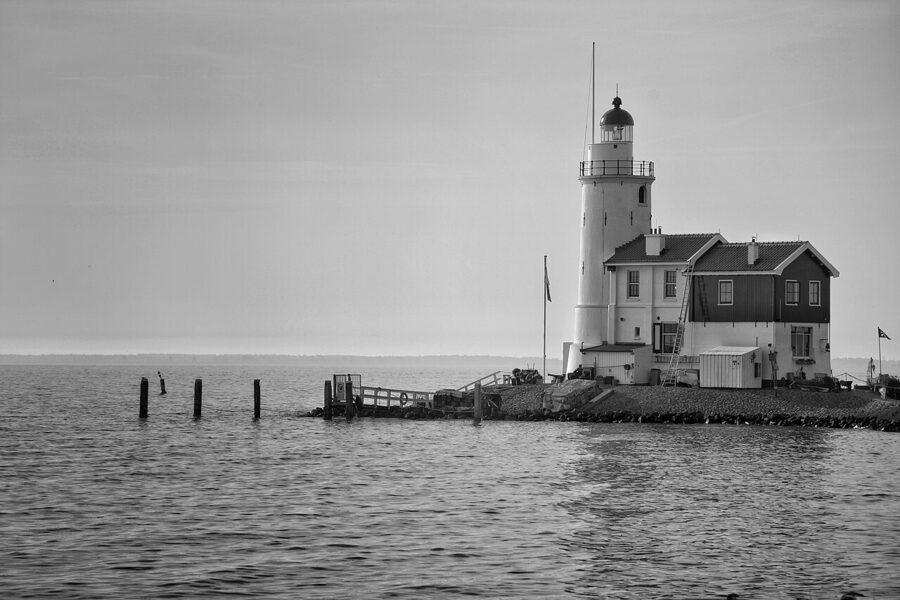
The lighthouse at the eastern tip of the island is the Paard van Marken, the Horse of Marken, built in 1839 to guide ships from the Wadden Sea to Amsterdam. Since the Zuiderzee was closed it only serves inland and pleasure craft. Someone still lives in it, so you see it from outside only, which is the right way to see it anyway: a white tower on a house, alone on a spit of stone in open water.
It is about 3 km from the harbor, 40 minutes or so on foot, and the walk is the best hour on the island. The usual route runs out along the Oosterpad beside the Oostervaart, a canal left over from a scheme by King Willem I, begun in 1824 and abandoned four years later, to cut a shipping route through Marken. Come back along the dike for the views over the Markermeer.

Plan around the dike works. Rijkswaterstaat is strengthening the Marken dike, and parts of the footpath along its crest stay closed until the summer of 2027, so some of the loops on the signboards cannot be walked in full. The dike reinforcement on Marken keeps the lighthouse and the Rozewerf reachable by signed detours. On 17 November 2026 the whole Westkade reopened, so more of the round-the-island walk is possible again while the work carries on along the Zuidkade.
Edam
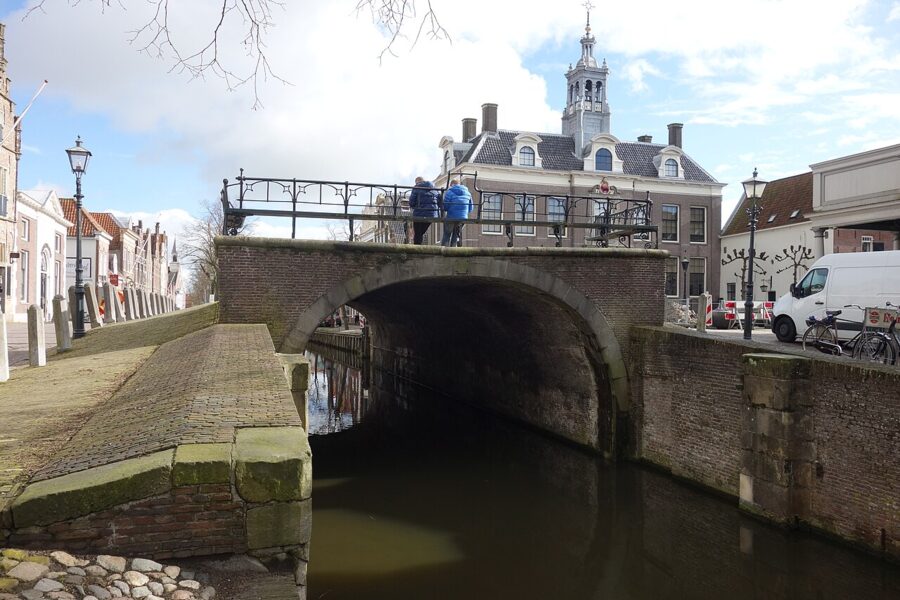
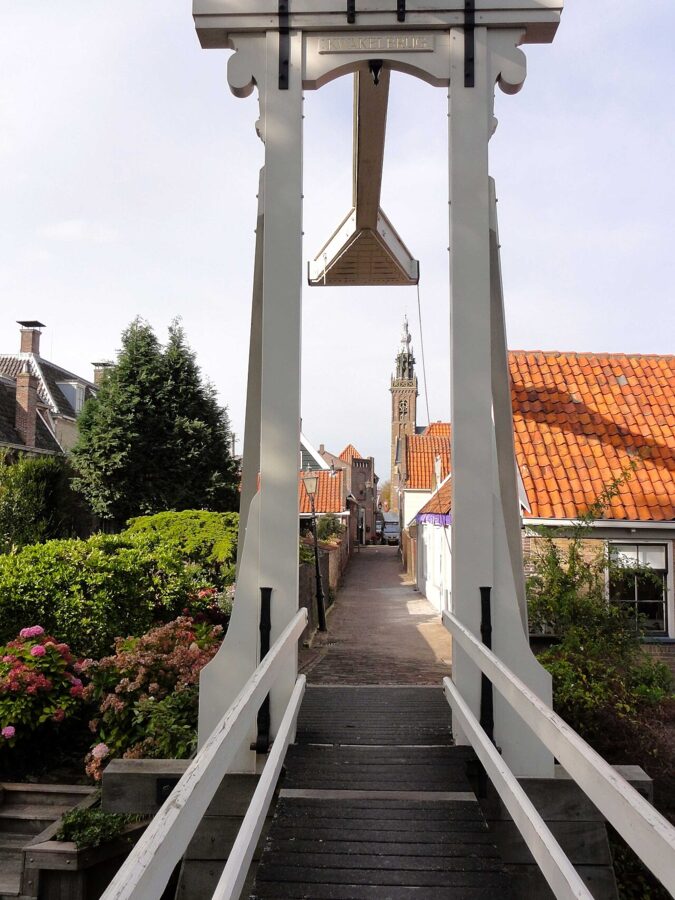
Count Willem V gave Edam city rights in 1357, and herring, shipbuilding and the cheese trade made it rich. In 1544 the town’s open connection to the Zuiderzee was ordered closed with a dam, and in 1570 the townspeople destroyed the sluice doors, which tells you how much they cared about their harbor. Today it is a small, unhurried place of narrow canals, brick houses and drawbridges, and the dam is still the center of town.

The town
Start on the Damplein. The Edams Museum has two buildings on it: the Coopmanshuys at Damplein 8, from around 1530 and the oldest stone house in town, and the old Stadhuis at Damplein 1. The Coopmanshuys has the only floating cellar in the Netherlands open to the public, built to rise and fall with the groundwater, which in the Zuiderzee days moved with the tides. The collection includes portraits of Edam’s local legends, among them the giantess Trijntje Keever and Langebaard, the man with the very long beard.
From April to October both buildings open Tuesday to Sunday, 10:00-16:30. From November to March the museum is normally open at weekends only, and this winter both locations open on Saturdays and Sundays, 10:00-16:30, except on 26 and 27 December. Adults pay €8 as of 2026, card only, no cash.
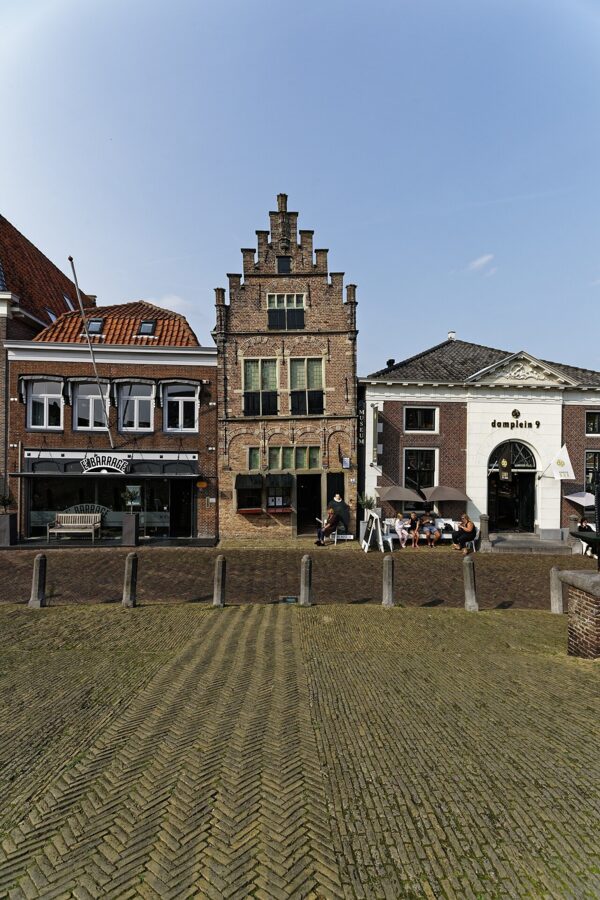

From the Damplein, walk the Lingerzijde and the canals toward the Speeltoren, the 15th-century carillon tower beside the Kleine Kerk, then out to the Grote Kerk, the Sint Nicolaaskerk, on the edge of town. It ranks among the hundred most important listed monuments in the Netherlands and is known for its 32 stained-glass windows, its organ and its old library. Entry is free during its opening hours; climbing the tower costs extra.
The summer cheese market
In July and August, on Wednesday mornings from 10:30 to 12:30, the Jan Nieuwenhuizenplein in front of the Kaaswaag turns into the cheese market. The round cheeses arrive by cart and by boat, carriers run them across the square on wooden barrows, and buyers and farmers haggle in the old way. A guest of honor, a politician, writer or sports figure, rings the bell to open and close the morning.
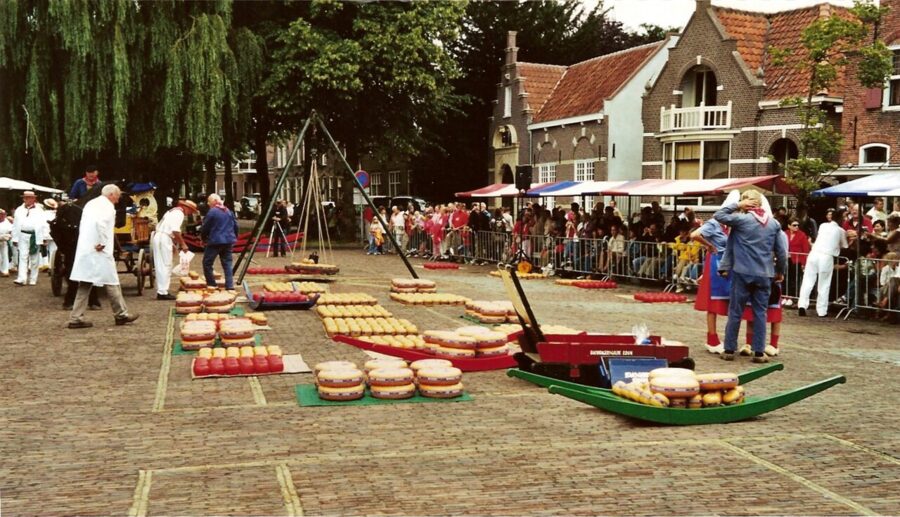

Be clear about what you are watching. The real commercial market ran until 1922 and was revived in 1989 as a re-enactment, so this is a show of how the trade worked, not the trade itself. It is a good one, and you can taste and buy cheese on the square.
Dates for 2027 had not been published as of November 2026. The Kaasmarkt Edam calendar follows the same pattern every year: the 2026 season opened on Wednesday 1 July and ran every Wednesday of July and August, so expect the first market of 2027 on the first Wednesday of July. Arrive by 10:00 if you want to stand at the front.
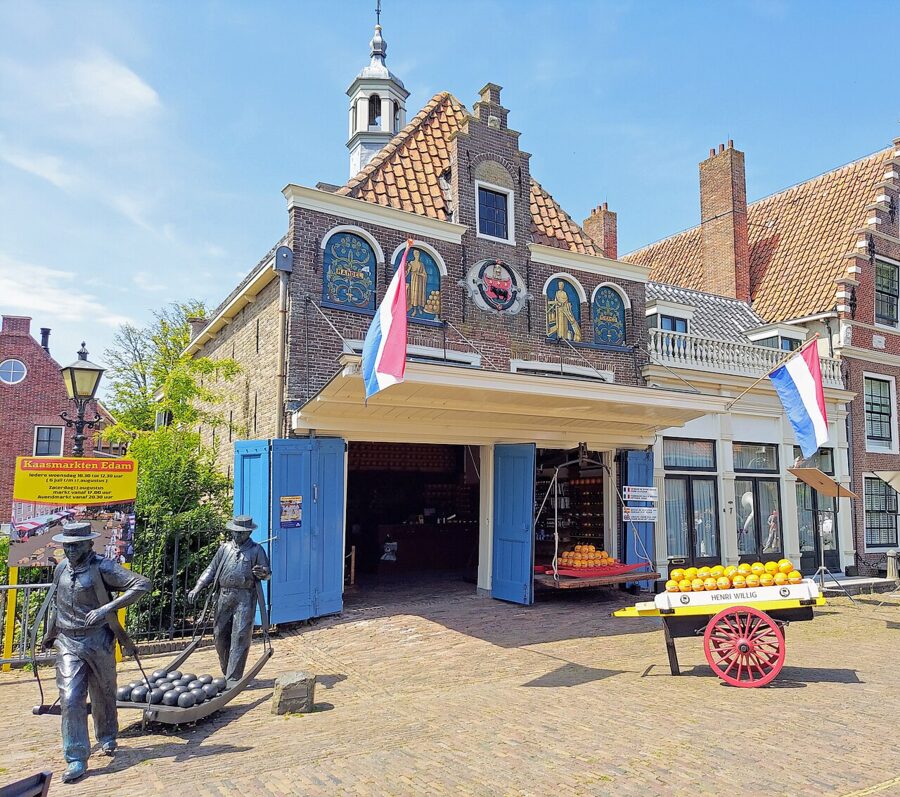

Why the cheese is called Edam
Edam cheese was never really made in Edam. It came from the farms of the surrounding countryside, a small ball of about 1.7 kg, and was brought into town by boat to be weighed and sold; until 1922 the cheeses came in over the water straight from the farmer to the trader. From the 14th century Edam was a major port for shipping dairy abroad, and the cheese that left from its quays most likely took the town’s name that way. The story of Edammer kaas is told in the Kaaswaag and in The Story of Edam Cheese, an interactive exhibition in the old center.
The Netherlands now makes about 27 million Edam cheeses a year, and there is not a single cheese farm left in Edam. To buy some, Henri Willig’s wine and cheese shop stands on a site that has been a cheese shop since 1947, and the VVV at Damplein 1 sells a folder for a 3 km cheese walk through town for €2.50.
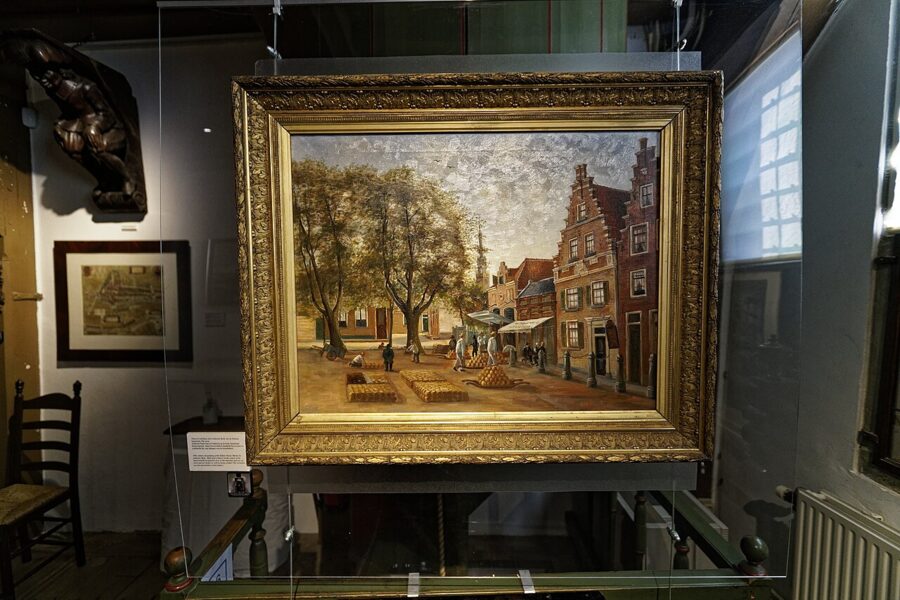

Are the bus tours worth it?
The coach tours from central Amsterdam usually combine Volendam and Marken with the windmills at Zaanse Schans, sometimes add Edam; the half-day versions run about five and a half hours. Many include the boat across to Marken and stops at a cheese shop and a clog maker, which are sales stops as much as demonstrations. Prices vary widely with the package and with whether you get a guide or an audio commentary, so I have left them out.
What you get for the extra is Zaanse Schans in the same day without changing buses, someone else watching the clock, and an easy day if walking or public transport is hard for you. What you lose is time and choice. The coach sets when you arrive and how long you get in each village, and you share every stop with everyone else on board.
My verdict: do it yourself if you can manage a bus and a contactless card, which is to say nearly everyone. Take a tour if you only have one day outside Amsterdam and want the windmills too, or if mobility makes the buses a chore. Skip the private car tours unless there are four or more of you splitting the cost.
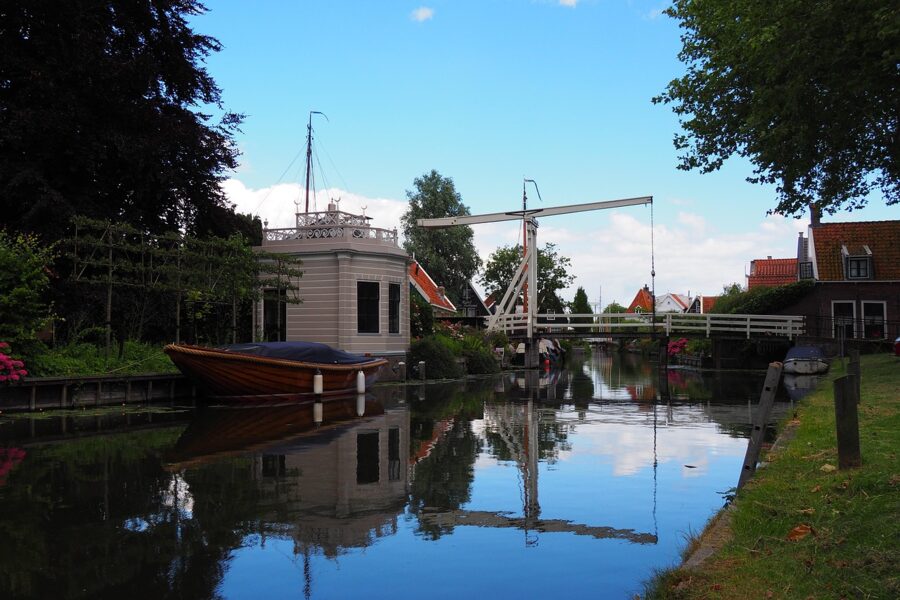
A day plan, and what to skip
In summer, start early and start in Edam, before the coaches. Take bus 316 from Centraal at about 9:00 and stay on to the end at Edam. Walk the Damplein, the Speeltoren and the canals and see the Edams Museum when it opens at 10:00, or on a Wednesday in July or August watch the cheese market from 10:30.
Around noon, take the 316 back to Volendam, a few minutes, and get off at Centrum. Walk the Dijk and the lanes below it, eat smoked eel or herring at a stand, and give the museum an hour if you want it. Take a mid-afternoon boat to Marken, walk the Havenbuurt and the Kerkbuurt, visit the Marker Museum and do the lighthouse walk while the light is low. Then take bus 111 from Marken back to Amsterdam Noord and metro 52 into the center.
In winter, swap the order and shorten it. The first boat leaves Volendam at 11:00 and it is dark soon after half past four, the Marker Museum is closed until 20 March, and the Edams Museum opens only at weekends. Take the 316 to Volendam for 10:30, walk the Dijk, catch the 11:00 or 12:30 boat, spend two hours on Marken with the lighthouse walk, and come back on the 111. Add Edam only on a Saturday or Sunday, when the museum is open, by going there first thing.
What to skip: the souvenir shops on the Dijk, which sell much the same clogs as the Damrak; the cheese “factory” tastings that turn out to be shops; the costume photo, unless you want one; and any plan that crams all three towns and Zaanse Schans into one day. If you want more boats and less bus afterward, the canal cruises back in the city are the gentler hour. For a village that is all water and almost no road, Giethoorn is the longer trip, and if you would rather buy your cheese in town, the Albert Cuyp Market has stalls for it.
So the day comes down to one boat. Buy a Dagkaart on the 316 at the IJzijde, check the Marken Express board on the Haven before you sit down to eat, and cross the Gouwzee with an hour of light left for the walk to the lighthouse.