

At 10:00 on a Tuesday, Amsterdam time, the Anne Frank House releases its next batch of tickets, for visits six weeks later. That is 04:00 on the American East Coast, and on busy dates the daytime slots go first. There is no door sale, no waiting list and no reseller who can get you in. If the date shows sold out, it is sold out.
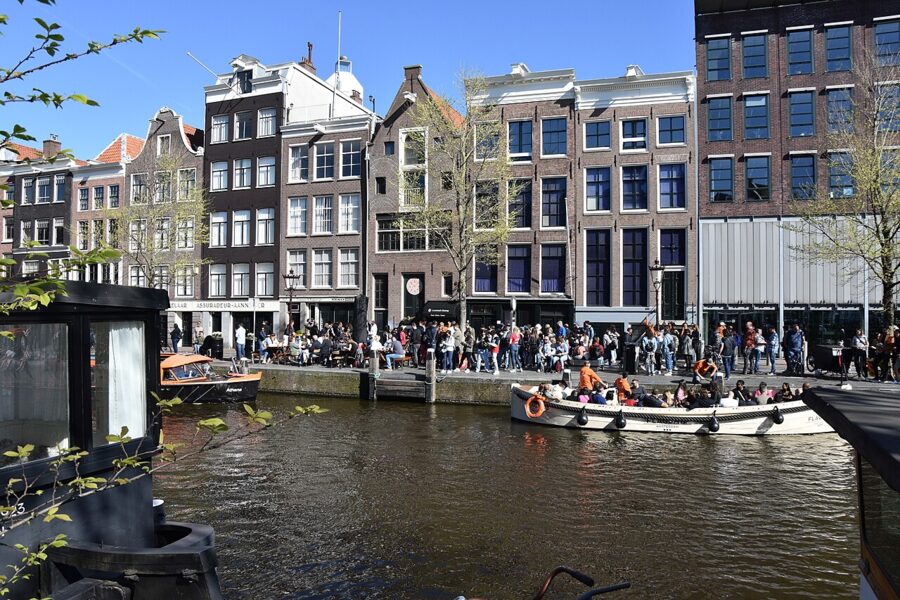
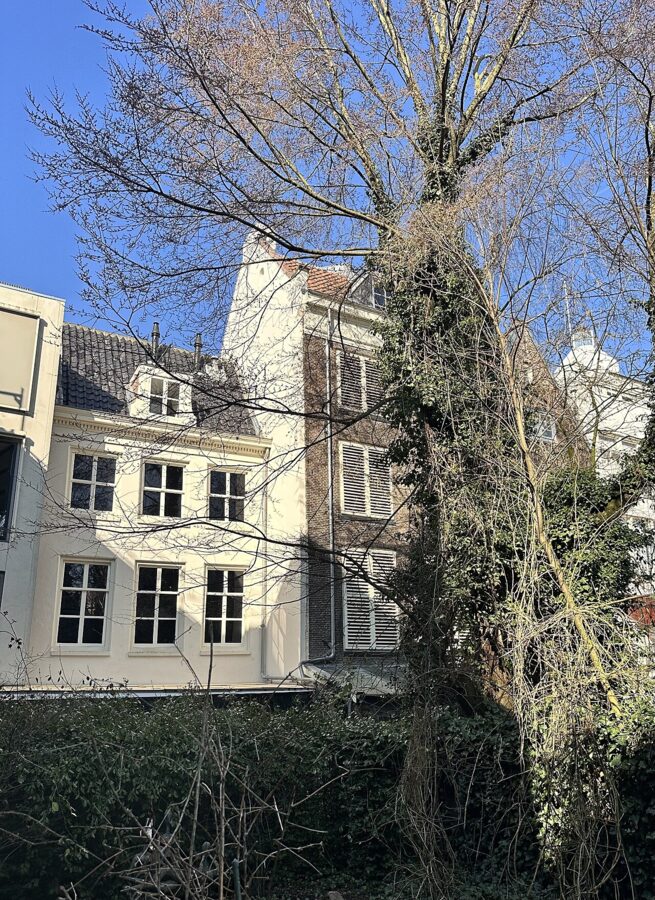
What the ticket buys is an hour or so inside an ordinary 17th-century canal house on the Prinsengracht, a warehouse below and offices above, and behind a hinged bookcase on the second floor the rooms where eight Jewish people hid from the German occupiers for 761 days. The rooms are empty. Otto Frank, the only one of the eight to come back, asked for them to stay that way, and they have.
An adult ticket costs €16.50 (about US$19) as of late 2026, rising to €17 in 2027. The museum is open every day until 22:00, which is the one fact that rescues most late planners. And the tram that used to stop at the door does not, for now: the square outside is being rebuilt, so you walk the last stretch from the Dam or along the canals.

Tickets: the Tuesday release and what it costs
Every ticket is a timed ticket, bought on the museum’s own ticket page and paid by bank or credit card. That includes children and anyone with a Museumkaart, who still have to book a slot. Once you are inside, only the start time is fixed: you can stay as long as you like.
Book everyone in one go. You cannot add tickets to a booking later, and tickets cannot be exchanged, refunded or moved to another day, even if your flight is cancelled. Several tickets in one person’s name are fine as long as that person comes along.
| Ticket (as of November 2026) | Price, booking fee included |
|---|---|
| Adult | €16.50 (about US$19); €17 (about US$20) from 2027 |
| Ages 10–17 | €7 (about US$8) |
| Ages 0–9 | €1 |
| Museumkaart, ICOM card, Stadspas | €1, slot still required |
| CJP or European Youth Card | €7 |
| I amsterdam City Card, student cards | No discount |
| Introductory program | €7 extra per ticket; €8 from 2027 |
Every price includes a €1 booking fee, which is all a Museumkaart holder pays. Bring the card itself: discount passes are checked at the entrance, one per person. The I amsterdam City Card, which covers most of the other big museums in the city, gets you nothing here.
The museum warns about lookalike websites with addresses close to its own, set up for card fraud or to sell tickets that do not work. Walking tours sold as “Anne Frank tours” are a separate thing: some are good, but none of them includes entry. If a site other than annefrank.org is offering you a ticket, it is not a ticket.
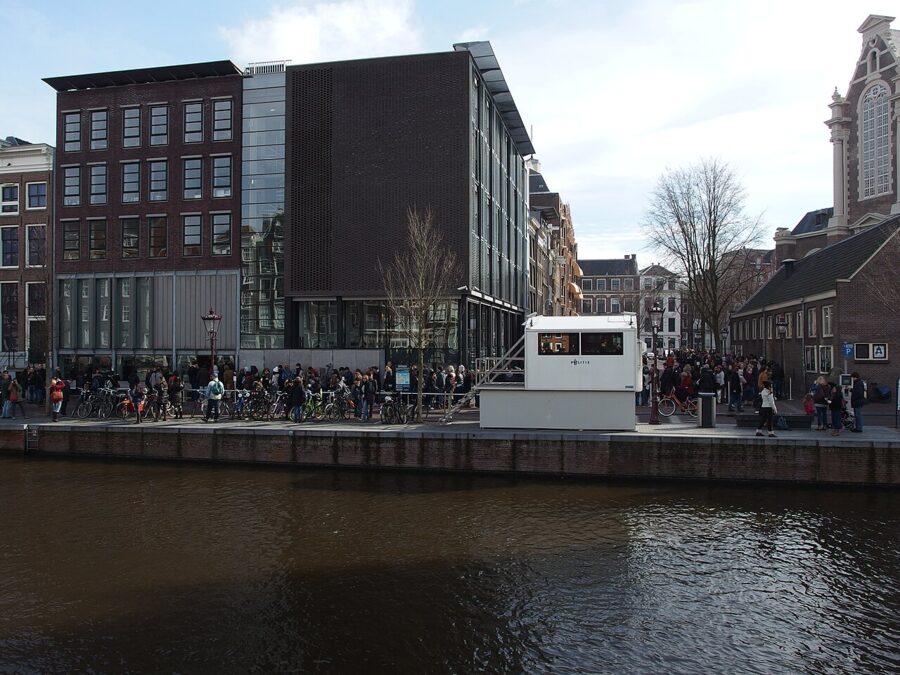

How to actually get one
Work out the date six weeks after the Tuesday nearest your trip, have the site open a few minutes early, and know your party size and card before 10:00. The slots that go first are mid-morning to mid-afternoon on weekends and school holidays. Evening slots are the ones to try if the daytime has gone, and I would take one anyway: the house is calmer after dark, and you have the day for something else.
If you miss the release, there is no waiting list to join: try the following Tuesday for the following week, and do not buy from anyone else in the meantime. The other big Amsterdam museums have their own booking clocks, all gentler than this one.
The introductory program
For €7 on top you can book a ticket with a 30-minute introductory program before your visit, in English or Dutch, for ages 10 and up. A staff member takes the group through Anne’s story against the occupation and the persecution of the Jews, and then you go into the house on your own. You cannot add it to a ticket you have already bought, so decide before you pay.
If the war and the diary are new to you, or you are bringing a teenager, it is worth the money. If you have read the diary recently, skip it and spend the half hour in the Westerkerk next door. It also runs in one of the museum’s educational rooms, which makes it a real option for anyone who cannot manage the stairs in the old house.
Opening hours and the exceptions
The house is open daily 09:00–22:00 as of November 2026. On 1 January it opens at 12:00. On 27 April (King’s Day), 4 May (Remembrance Day), 25 December and 31 December it closes at 17:00. In 2027 it also closes at 17:00 on 10 October, shuts on 11 October for Yom Kippur, and closes at 18:30 on 6 November.
The visit, room by room
You go in at Westermarkt 20, in the modern building on the corner, not through the old front door on the canal. Coats, bags and buggies go in the free cloakroom, and only bags smaller than an A4 sheet of paper can come inside. There is no room for suitcases or large backpacks, and the museum says plainly that people who arrive with one may not get in: leave it at the hotel or at the luggage deposit at Centraal.
Photography and filming are banned throughout, smart glasses and camera glasses included. There are no guided tours inside. Instead an audio tour comes with every ticket, in Dutch, English, French, German, Hebrew, Italian, Japanese, Portuguese and Spanish, with a separate version called Anne’s Story for children.
The museum says a visit takes about an hour on average. The rooms are small and the route runs one way, so in the annex you move at the speed of the people in front of you. Seating exists only at the start and the end; if you need to sit along the way, ask at the information desk for a portable stool.
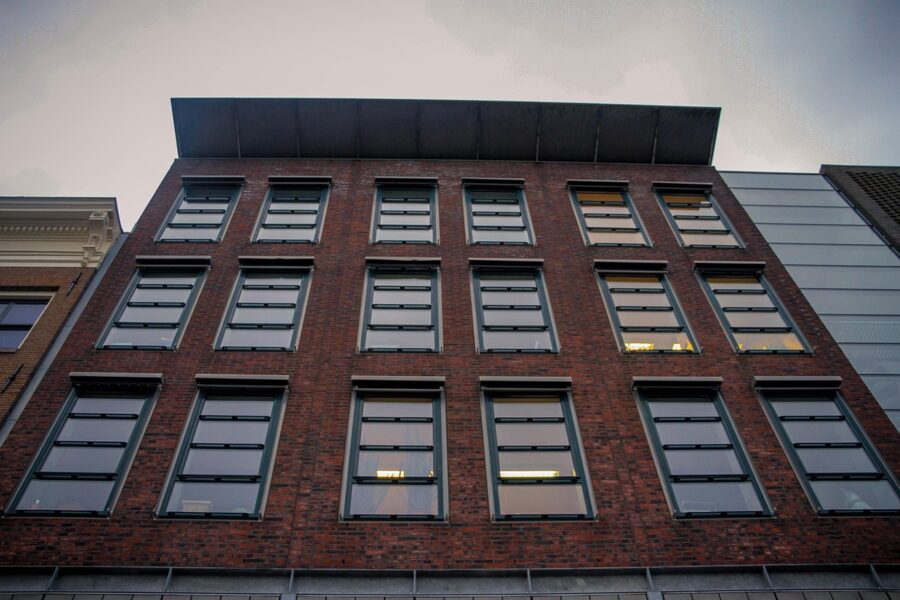
The warehouse and the offices
The route begins where the business was. Otto Frank’s companies sold pectin for home jam-making under the name Opekta and, from 1938, herbs and spices as Pectacon, and they moved into Prinsengracht 263 on 1 December 1940. The ground floor was the warehouse and workshop, the first floor the offices, the second floor storage.
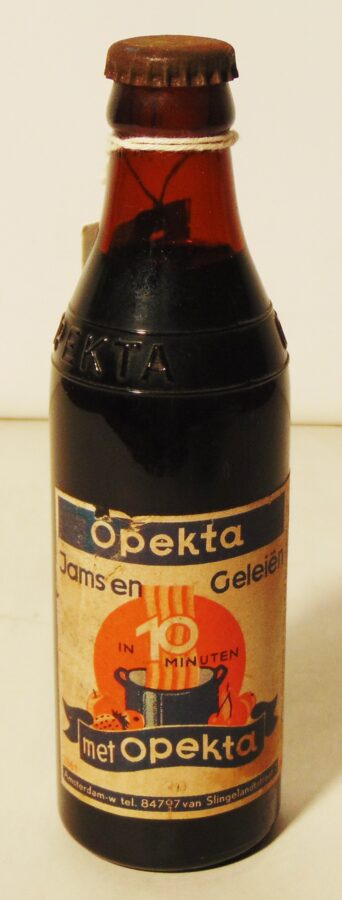

The warehouse men were never told. During working hours the people upstairs could not run a tap or flush the toilet, because the pipes ran down past the storeroom. The office staff who knew, Victor Kugler, Johannes Kleiman, Miep Gies and Bep Voskuijl, worked one floor below the hiding place and acted as if nothing was happening above them.
Bep’s father, Johan Voskuijl, ran the warehouse and kept an eye on the other workers until illness forced him out in 1943. His replacement, Willem van Maaren, was curious, and the helpers believed he left small objects on the floor at closing time to see whether anyone had moved about overnight.
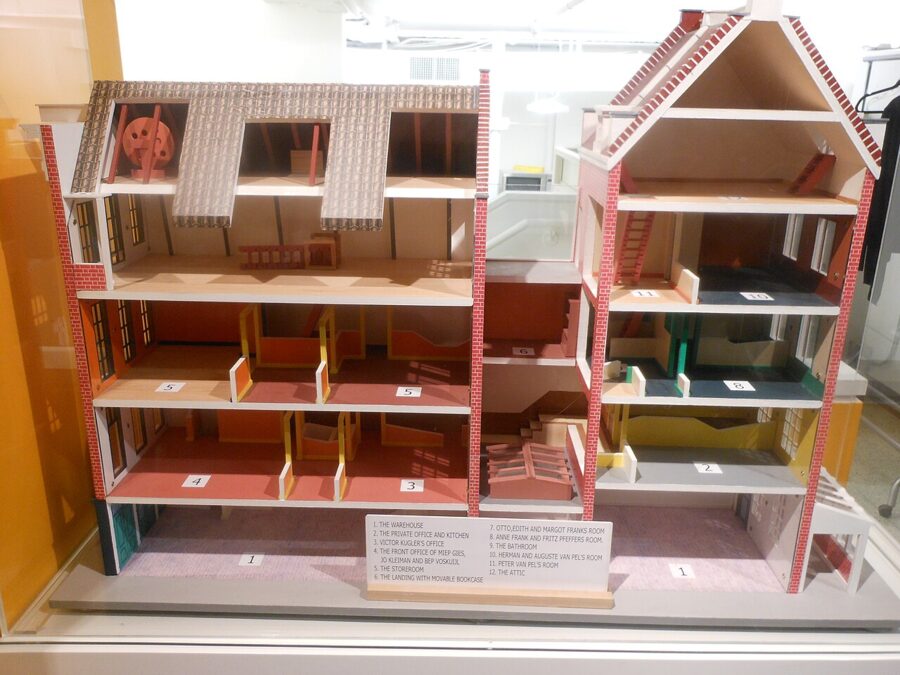

The bookcase
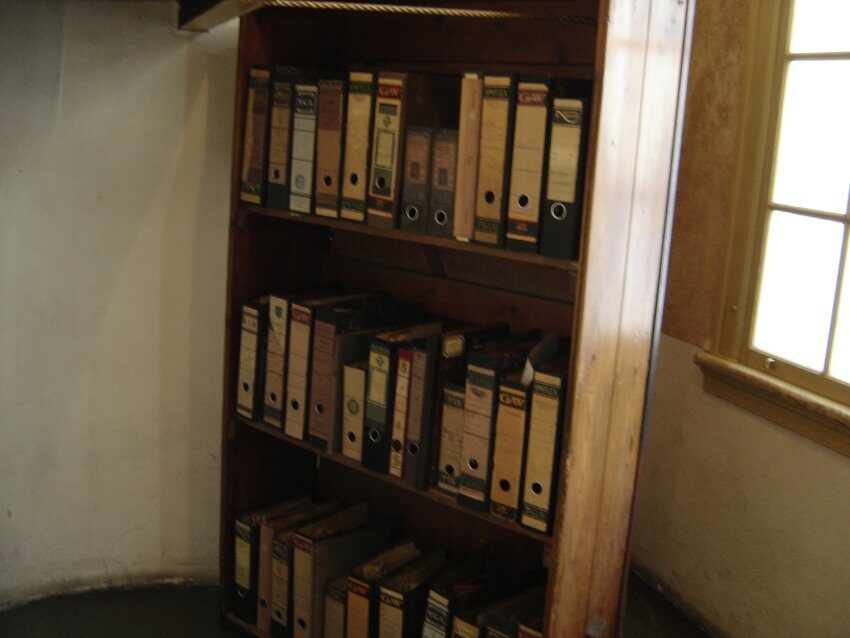
On the second-floor landing of the front house stands the bookcase, lined with grey office binders. It was not there when the Franks moved in. In the summer of 1942 the occupiers were threatening house searches for bicycles the Dutch refused to hand in, and Kugler thought the plain door to the annex needed hiding. Johan Voskuijl built a cupboard on hinges that swings out like a door.
Behind it is the step that most visitors remember with their shins: 39 centimeters high and 41 wide, the hardest moment of the route. Watch the head height too.
The Secret Annex
Through the bookcase you are in the annex, on the floor where Otto, Edith and Margot Frank slept in one room and Anne shared the next with Fritz Pfeffer, a dentist and friend of the family who joined them in November 1942. They argued over a small desk; Anne wanted more afternoons at it for her writing, and her father had to step in.
On the wall of the Franks’ room are the pencil lines Otto and Edith drew to mark their daughters’ heights. In two years Margot grew about a centimeter and Anne more than thirteen. Nearby is the small map of Normandy on which Otto pinned the Allied advance after June 1944.
In Anne’s room the pictures she glued to the wall are still there: film stars, royals, paintings, postcards her father had smuggled in for her ahead of time. It is the one place in the annex that looks lived in. Upstairs were the Van Pels family, Hermann, Auguste and their son Peter, in a room that served as kitchen and living room for all eight by day, and Peter’s narrow room beside the stairs to the attic.
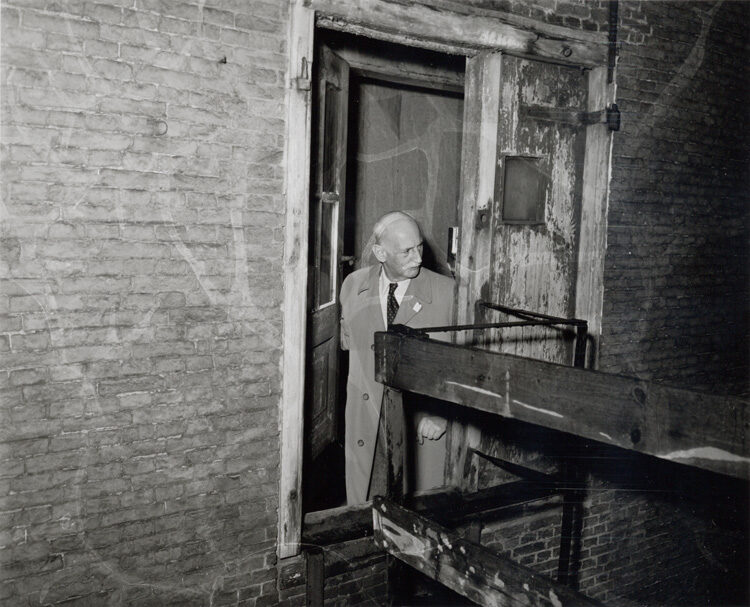

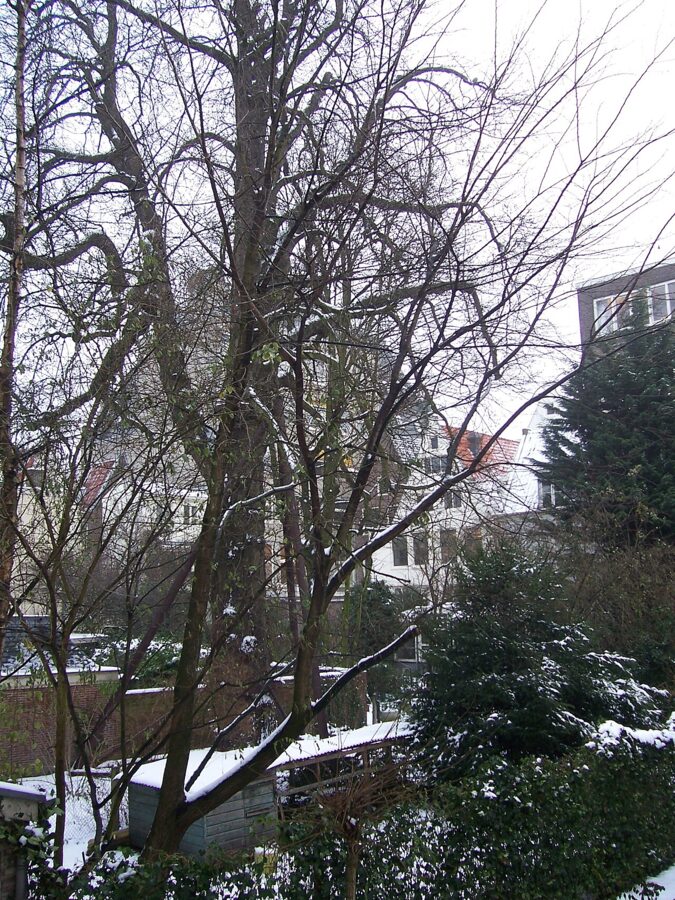
From the attic window, the one that was not blacked out, Anne could see the sky, gulls and a big chestnut tree in the courtyard garden of Keizersgracht 188. She wrote about it three times, the last in May 1944. The tree was diseased by 2005, and on 23 August 2010 it broke off about a meter above the ground; saplings grown from its chestnuts now stand at schools and parks around the world.

The diary room
Further along the route is the diary room. In the case is the red-checked autograph album Anne was given for her 13th birthday, on 12 June 1942, three weeks before the family went into hiding. She filled it within months and carried on in notebooks.
In March 1944 she heard on the radio from London that the Dutch government in exile wanted diaries and letters collected after the war. From 20 May she began rewriting the whole thing as a book she meant to call Het Achterhuis (The Annex), on 215 loose sheets, some of which are shown in rotation. Beside them are her book of favorite quotes and her book of short stories.
After the annex
The rest of the route is in the modern building, with more of the story told in photographs, films, documents and original objects, and a temporary exhibition. From 27 November 2026 that exhibition is Anne at Home, Huck Scarry’s original drawings of the family’s flat on the Merwedeplein and of the annex as it was furnished in 1942–1944, including Anne’s bed lengthened with two chairs.
The café looks out over the Prinsengracht and serves drinks, snacks and lunch; the shop sells the diary and the museum’s own books. Both are reached only from inside the museum and take cards only. Give yourself ten minutes in the café. Most people come out quieter than they went in, and the Westermarkt is loud.

The eight people in hiding, and the six who kept them
From Frankfurt to the Merwedeplein
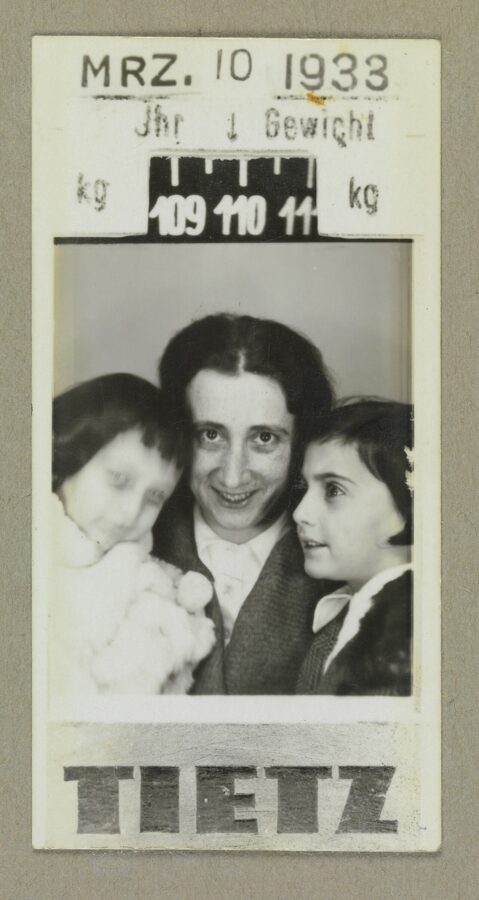
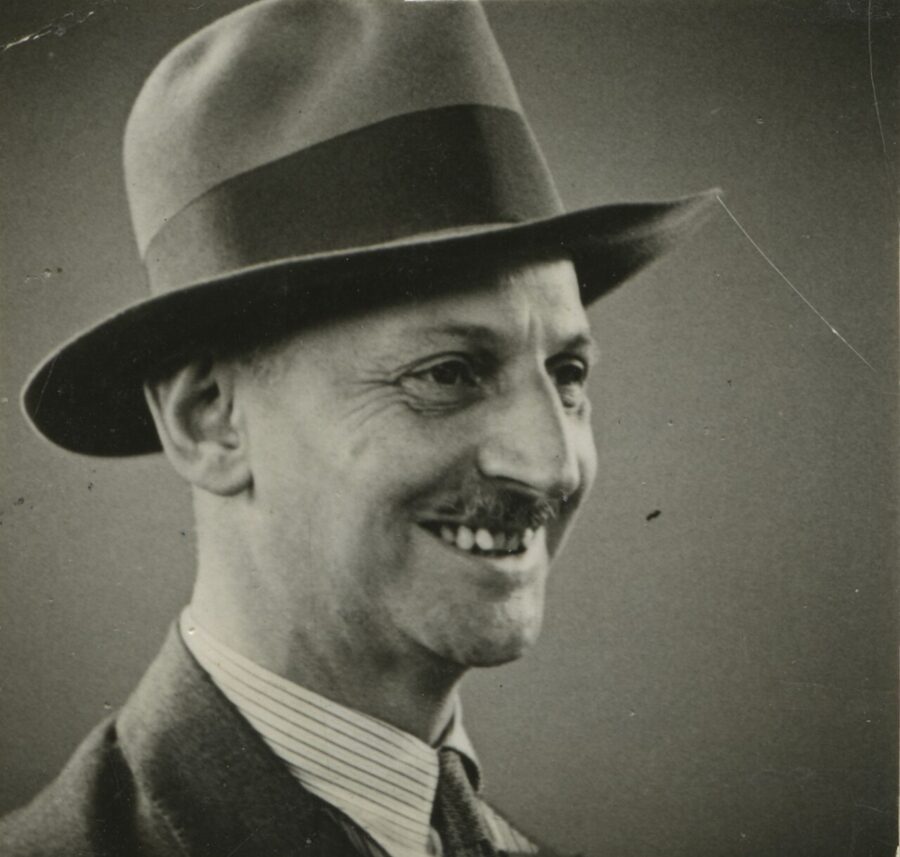
Anne Frank was born in Frankfurt am Main on 12 June 1929, the second daughter of Otto Frank and Edith Holländer; Margot was three years older. In 1933, the year Hitler came to power, Otto and Edith decided to leave Germany. Otto set up the Dutch branch of Opekta in Amsterdam, and the family made its home in a new flat on the Merwedeplein in the south of the city.
For seven years it worked. Then in May 1940 Germany invaded the Netherlands, and the anti-Jewish measures followed one after another: Jews could not own businesses, so Otto handed his to non-Jewish colleagues on paper; Jewish children were moved to Jewish schools, so Margot and Anne went to the Jewish Lyceum. Attempts to get the family to the United States failed.

6 July 1942
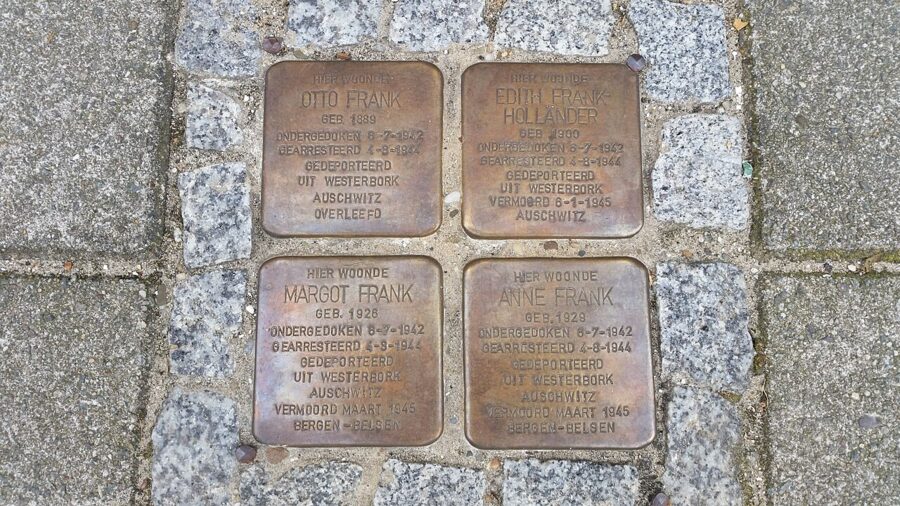
On 5 July 1942 Margot received a call-up to report for a labor camp in Germany. The hiding place, prepared over the previous months with Kleiman’s help, was not finished, but the family did not wait: the next morning they walked to the Prinsengracht in the rain, wearing layers of clothes because a Jew carrying a suitcase would have drawn attention. Margot cycled there with Miep.
The Van Pels family followed on 13 July; Hermann van Pels worked for Pectacon. Fritz Pfeffer came on 16 November, making eight. For the next two years six people kept them alive: Miep Gies and her husband Jan, Johannes Kleiman, Victor Kugler, Bep Voskuijl and her father Johan. They bought food on false ration coupons, brought books and news, and ran the business downstairs.
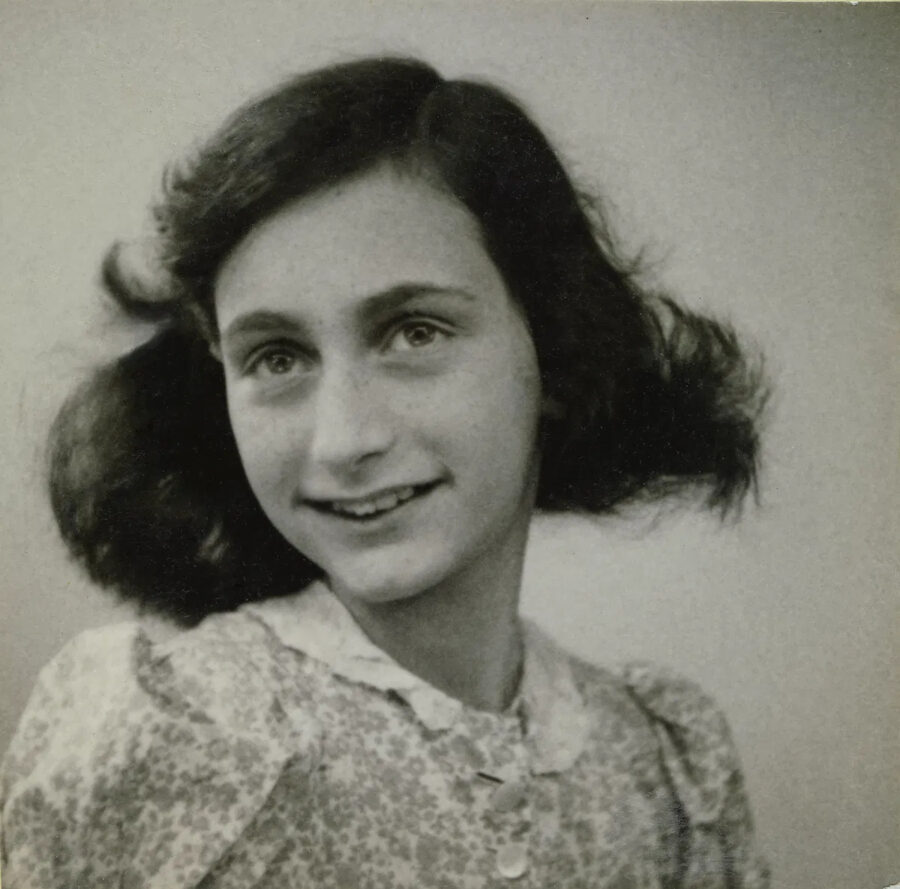
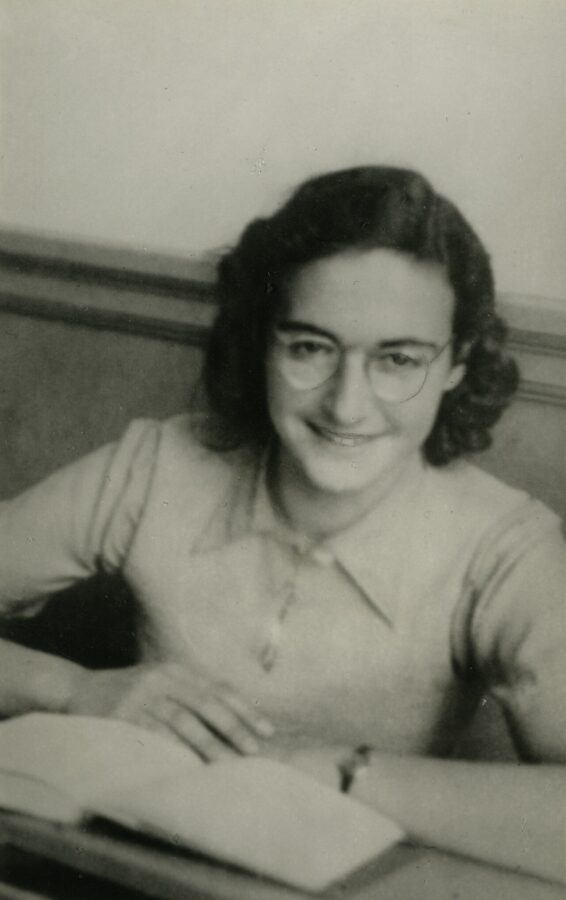
They came close to discovery more than once. In 1943 the Pieron family sold the building, and the new owner came round with an architect; Kleiman showed them everything except the annex, saying he had forgotten the key. During a break-in in April 1944 the men went down and Hermann van Pels shouted “Police”; the burglars ran, a passer-by shone a torch in, and later the real police searched the building and rattled the bookcase without finding the door.
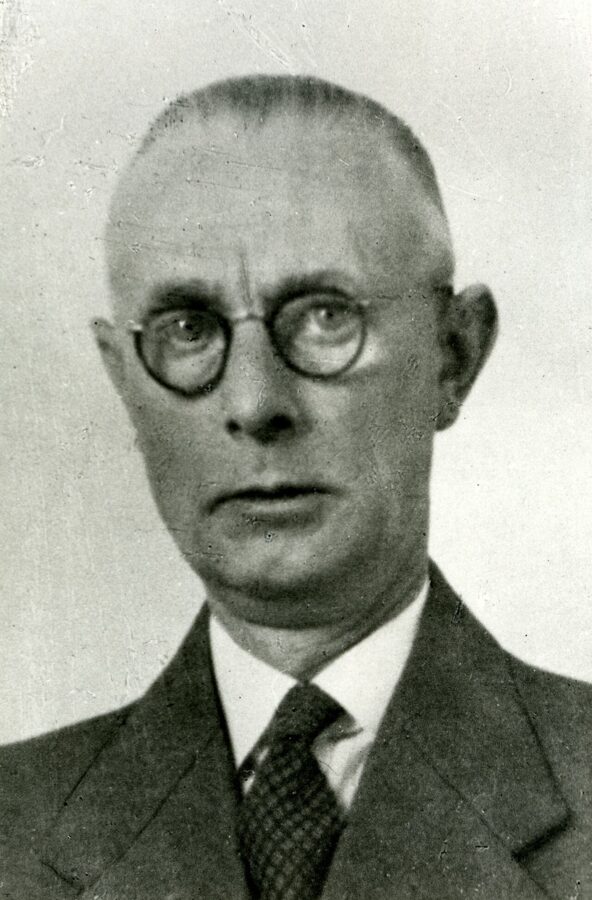
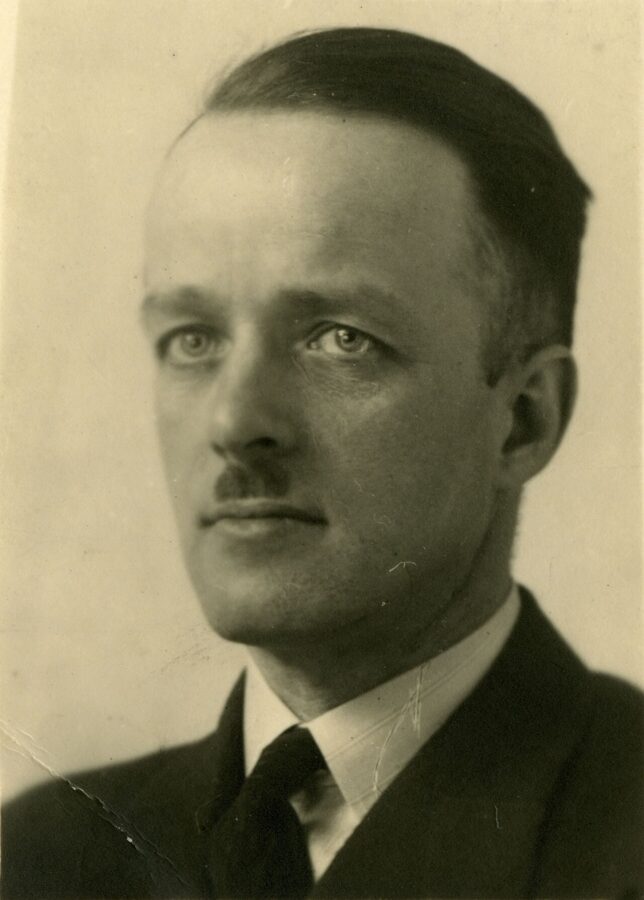
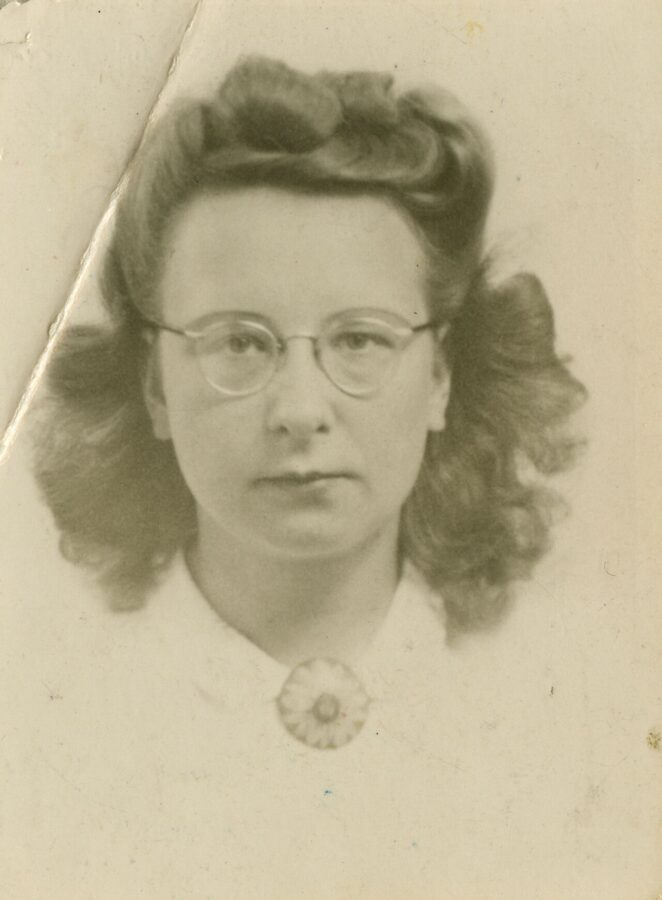
4 August 1944
Between half past ten and eleven on the morning of Friday 4 August 1944, the police came into the building. In charge was Karl Josef Silberbauer, an Austrian SS sergeant with the Sicherheitsdienst, with at least two Dutch officers, Gezinus Gringhuis and Willem Grootendorst. They went up to the offices, made Kugler open every crate and sack in the storeroom, and found the door behind the bookcase.
Otto was in Peter’s room helping him with English. The eight were made to hand over their valuables; Silberbauer tipped Otto’s briefcase out to carry them, and Anne’s diary papers fell to the floor. By about 13:00 the eight, with Kugler and Kleiman, had been driven away to the Sicherheitsdienst offices on the Euterpestraat. Afterwards Miep and Bep went upstairs, picked up the papers, and Miep put them in a desk drawer, unread.
What happened to them
From prison in Amsterdam the eight went to the Westerbork transit camp in the northeast of the country, and on 3 September 1944 they were put on the last train that ever left Westerbork for Auschwitz-Birkenau. On the platform the men and women were separated. Otto never saw his wife and daughters again.
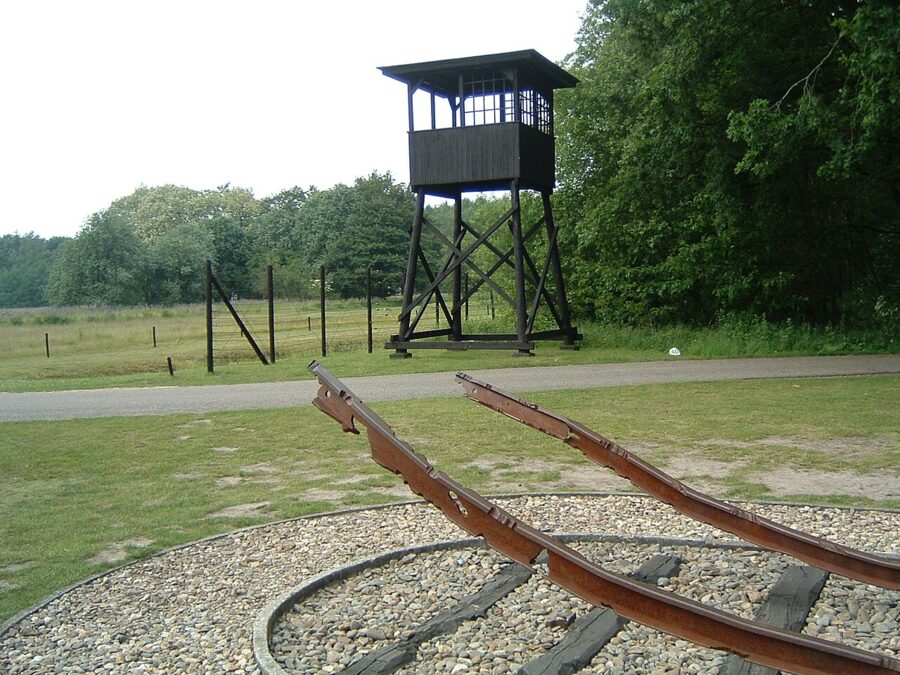
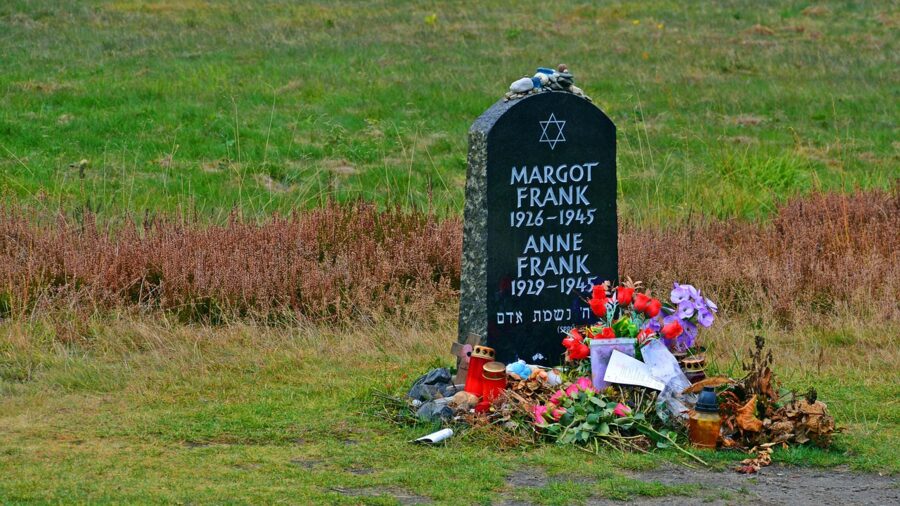
Hermann van Pels was murdered in the gas chambers in October 1944. Fritz Pfeffer died in Neuengamme on 20 December 1944, and Edith Frank in Auschwitz-Birkenau on 6 January 1945. Margot and Anne were sent to Bergen-Belsen at the start of November 1944 and both died there of typhus in February 1945, Anne at fifteen. Auguste van Pels died in the spring of 1945, probably during a transport toward Theresienstadt, and Peter van Pels died in Mauthausen on 10 May 1945, five days after its liberation.
Otto was too weak to leave Auschwitz when the camp was evacuated, and was there when Soviet troops arrived on 27 January 1945. He reached Amsterdam on 3 June and moved in with Miep and Jan Gies. In July he learned from two sisters who had been in Bergen-Belsen that his daughters were dead, and Miep gave him the papers from the drawer.
Who betrayed them?
Nobody knows, and it may not have been a betrayal at all. No police document about the raid survives, and almost everything that has been claimed rests on testimony given years later. Otto and the helpers were sure they had been betrayed, and in 1947 they filed a complaint against the warehouseman Van Maaren; two investigations, the second after Simon Wiesenthal tracked Silberbauer down in 1963, found no evidence against him.
Other names have come and gone: the Dutch Nazi Tonny Ahlers, Lena Hartog, the wife of a warehouse worker, and the Jewish informer Ans van Dijk. A 2023 book written with Bep Voskuijl’s son pointed at her younger sister Nelly. In January 2022 a cold case team led by a former FBI agent named the Jewish notary Arnold van den Bergh; historians took the case apart, and its Dutch publisher apologized and stopped printing the book within weeks.
The Anne Frank House’s own position is that betrayal was never established, and its 2016 research adds another possibility: there was more going on in the building than hiding. Two men who sold the helpers illegal ration coupons had been arrested for black-market dealing, a warehouse worker was working off the books, and part of the company’s income was kept out of the accounts. A raid looking for any of that would have found the bookcase too.
The diary becomes a book, and the house a museum
Otto copied out passages for family and friends, who pushed him to publish. Het Achterhuis came out on 25 June 1947, from the Amsterdam publisher Contact, in a first printing of 3,036 copies. French and German editions followed, and the English translation, The Diary of a Young Girl, appeared in 1952. Otto moved to Basel that year and died in Switzerland on 19 August 1980.
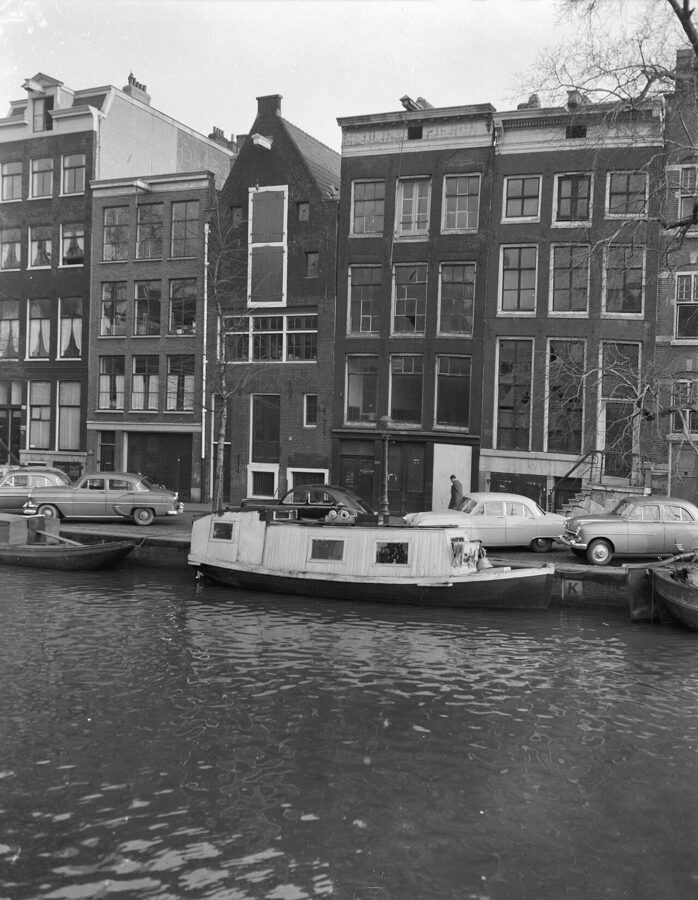
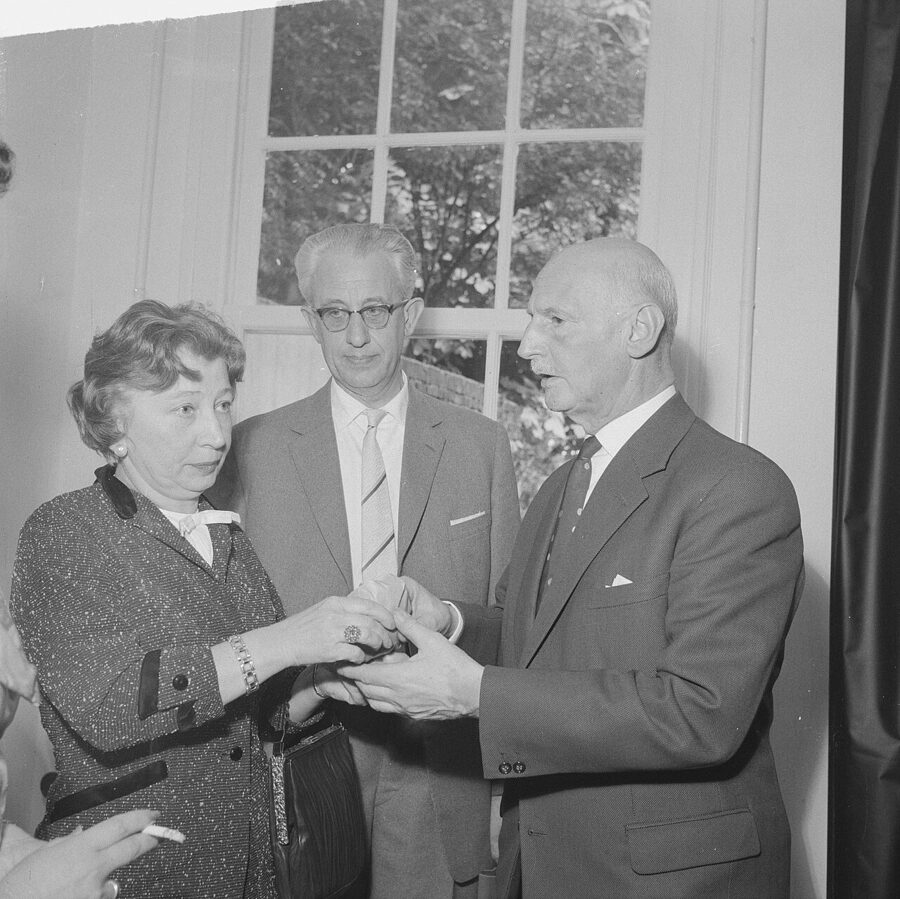
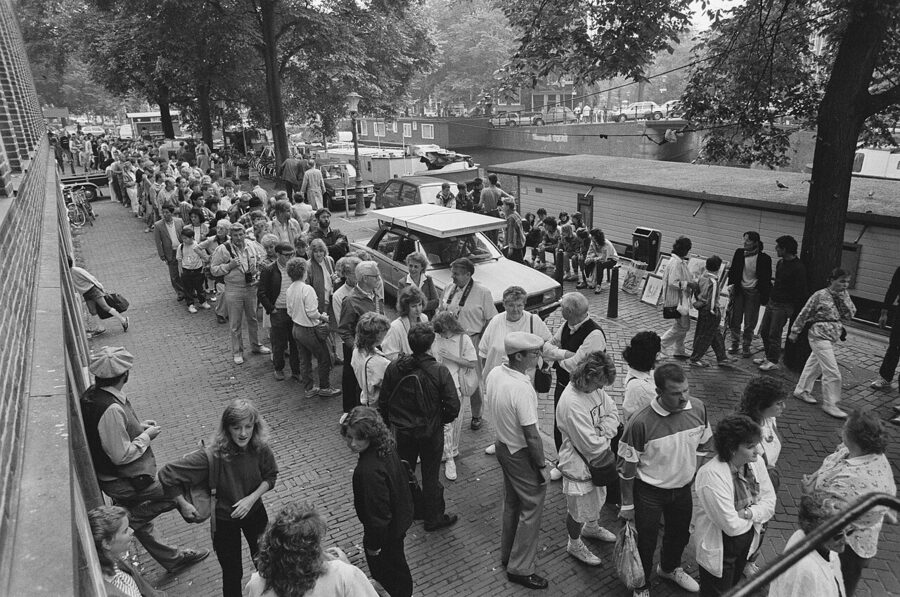
The museum has grown around the house since: a new wing went up on the corner of the Westermarkt in the late 1990s to take the crowds off the old staircases, and it now draws more than a million people a year. In 2025 one visitor in ten came from the Netherlands; the largest groups from abroad came from the United States, the United Kingdom, Germany and France.
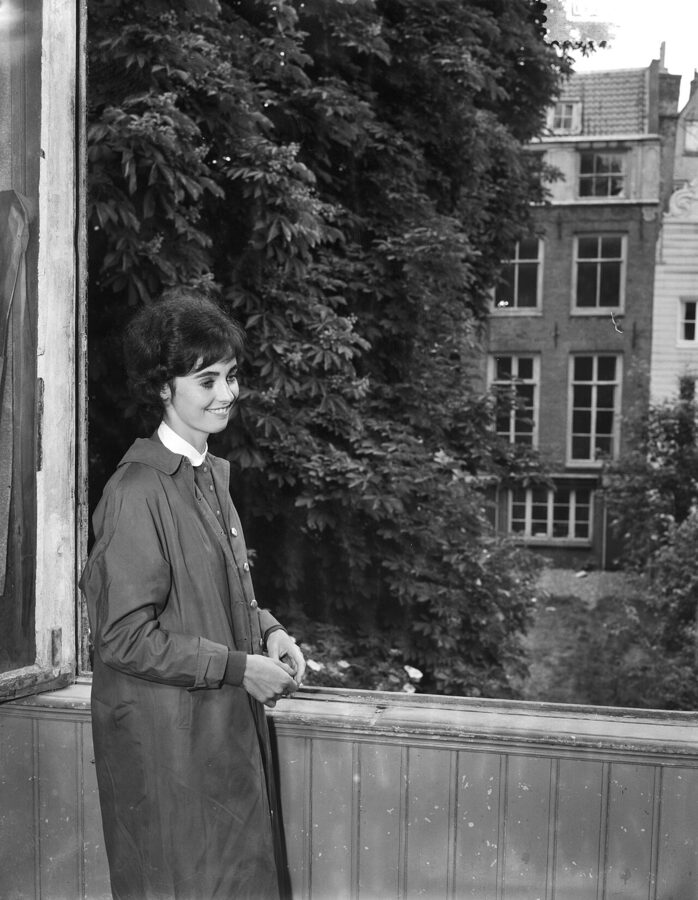
Around the house: the Westerkerk, the statue and the Homomonument
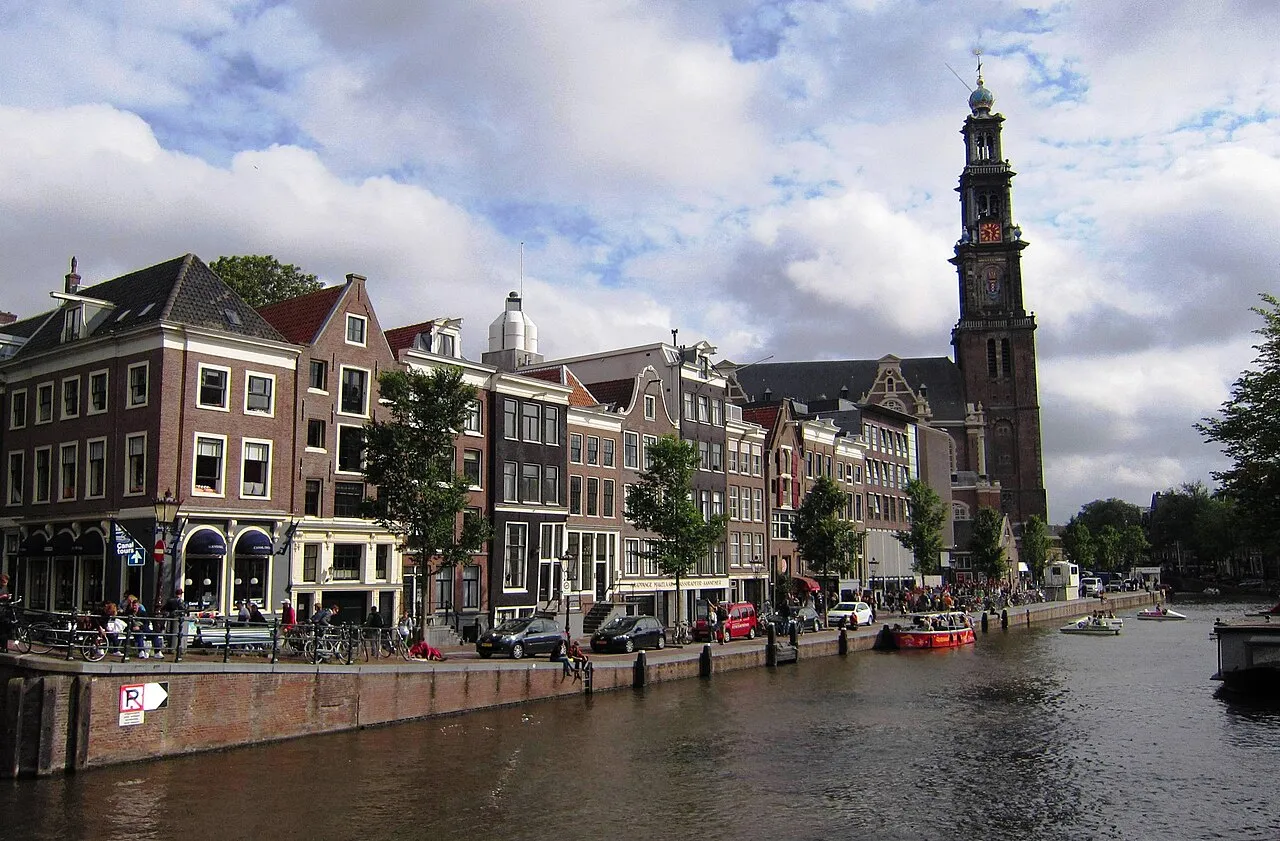
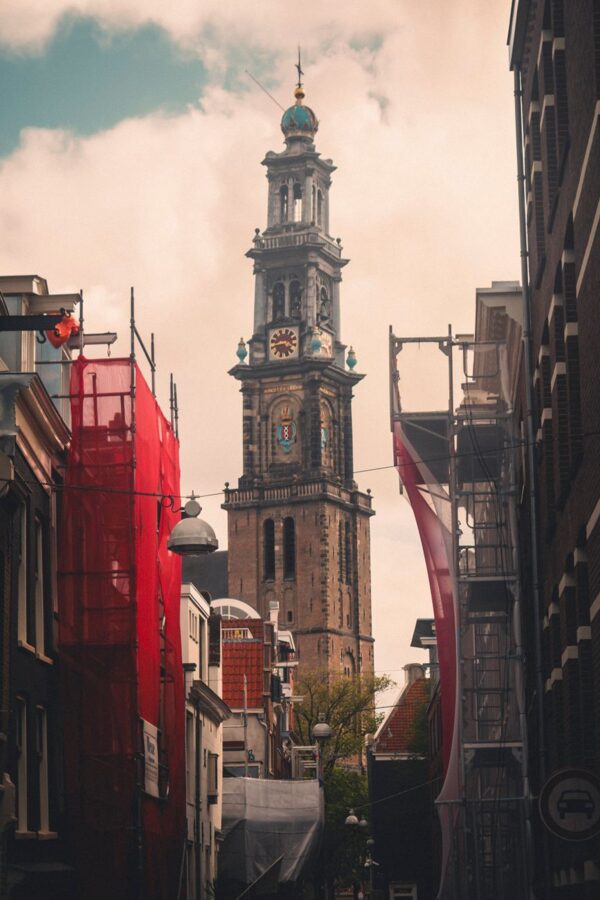
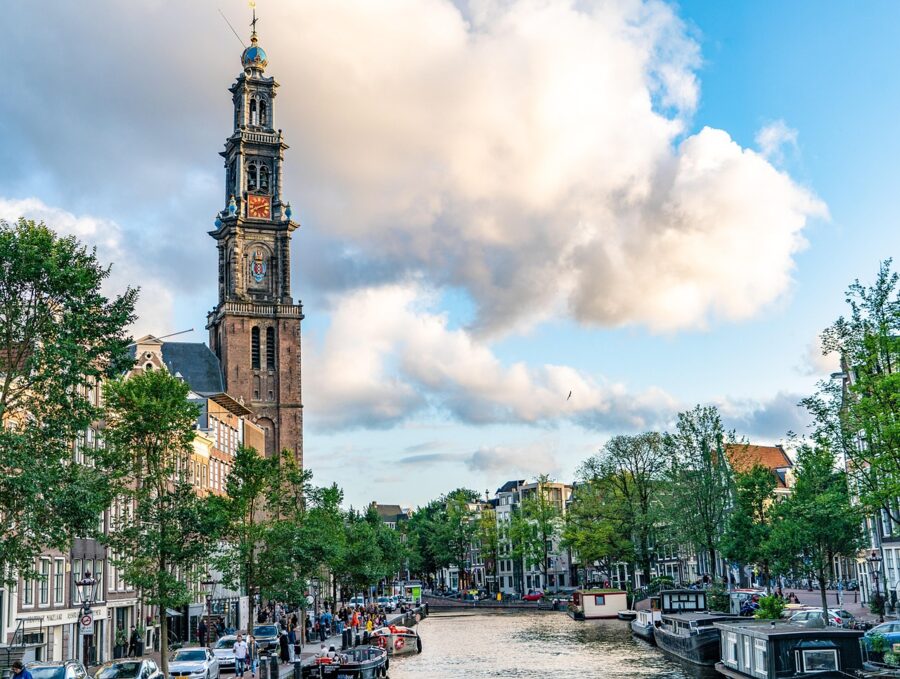
The church whose tower fills every photo of the house is the Westerkerk, designed by Hendrick de Keyser and built for the city between 1620 and 1631. It was built as the largest Protestant church of its day. The tower, finished in 1638, is the tallest church tower in Amsterdam at 85 meters, 87 with the weathercock, and its clock chimed through the annex every quarter hour: her parents and Margot found it hard to get used to, and Anne liked it from the start.
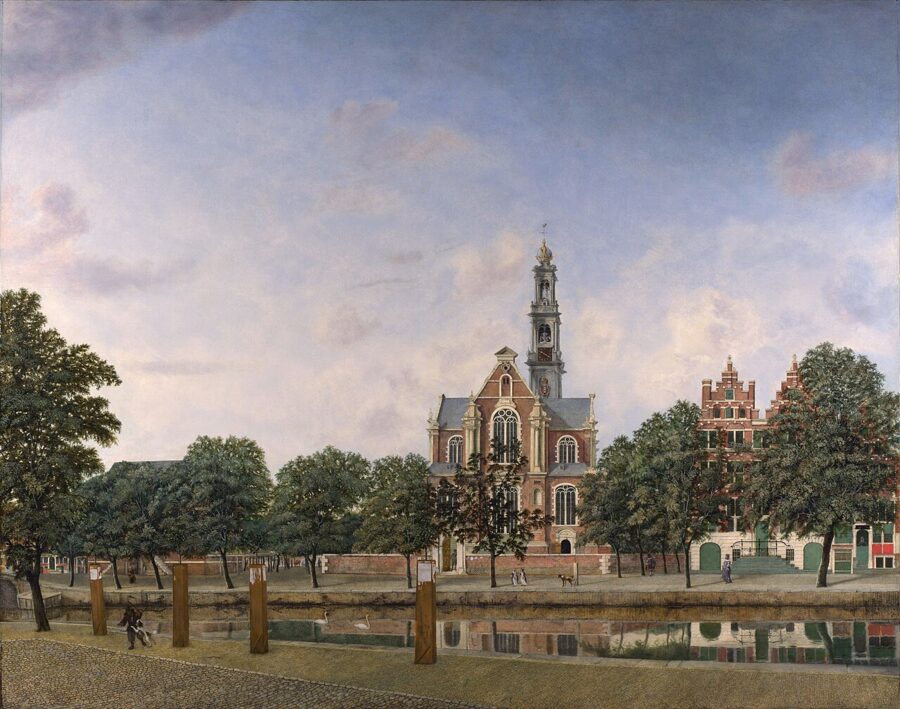
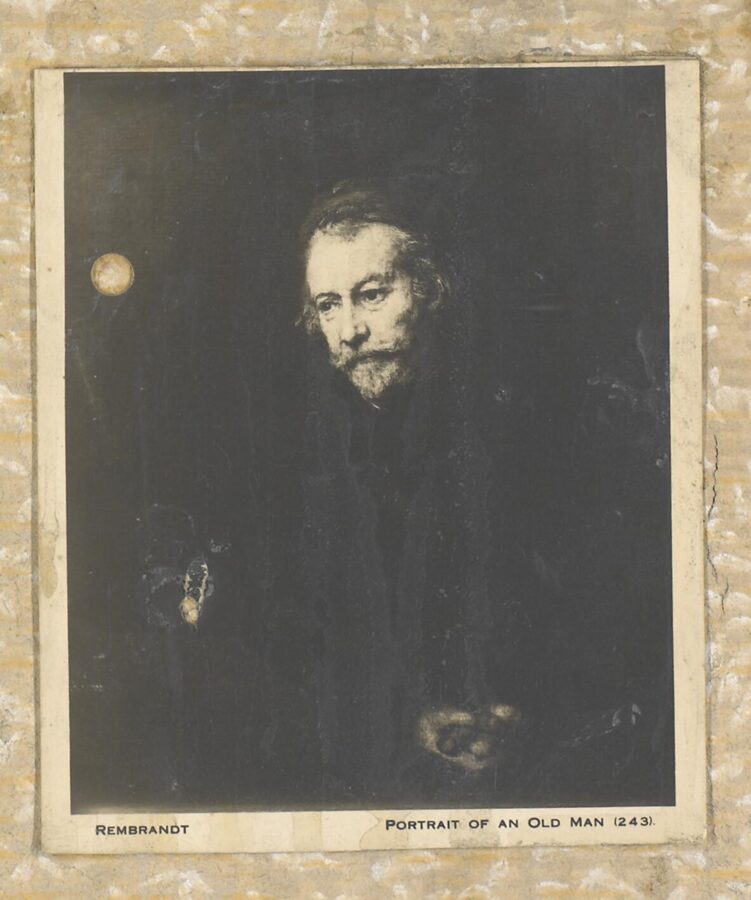
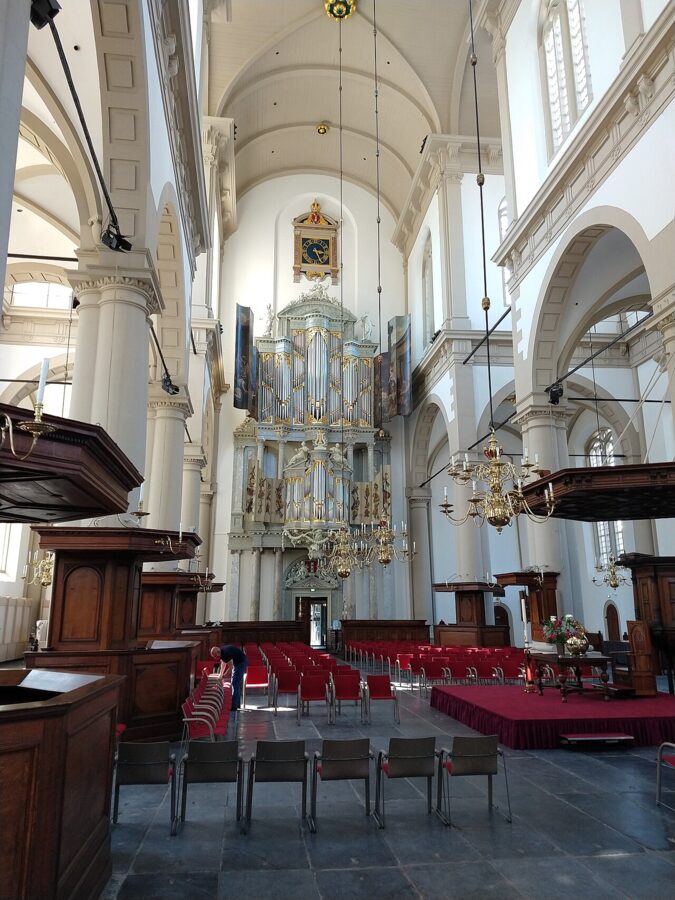
Rembrandt was buried here on 8 October 1669, in a grave nobody can now find; a plaque on the north wall marks him. The church is open Monday to Friday 11:00–15:00 from September to June, and Monday to Saturday in July and August, with free entry by the door at Prinsengracht 279. There is a short organ recital on Wednesdays at 13:00, and the church closes on some days for concerts and events, listed on its site.
The tower climb, a fixture of every older guidebook, is off for now. The church says the tower cannot be visited during restoration work planned for the coming years; the city owns the tower. Do not plan your morning around it.
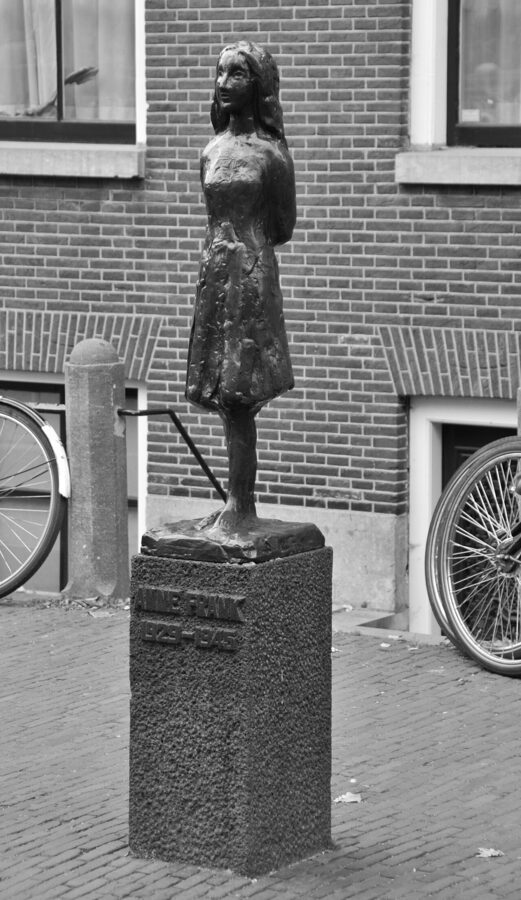
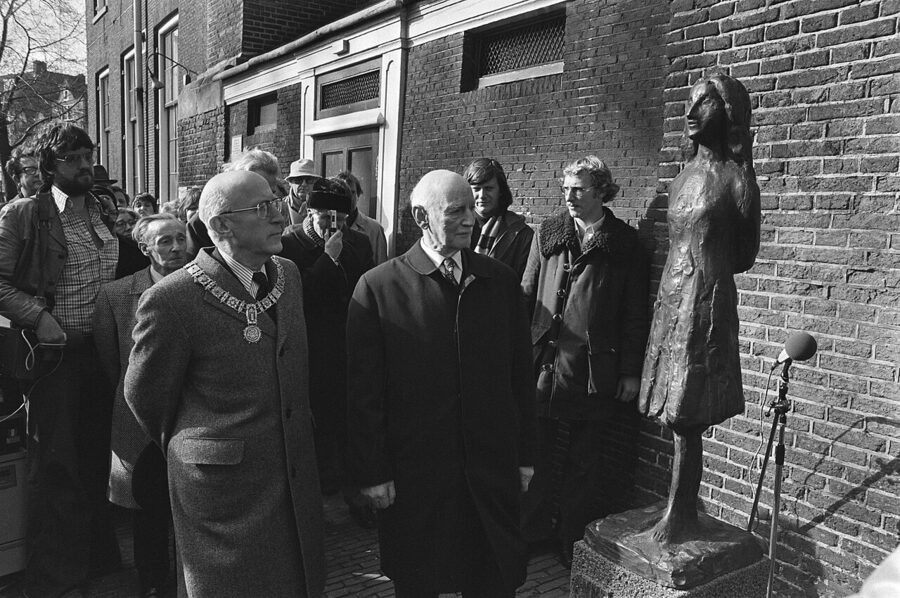
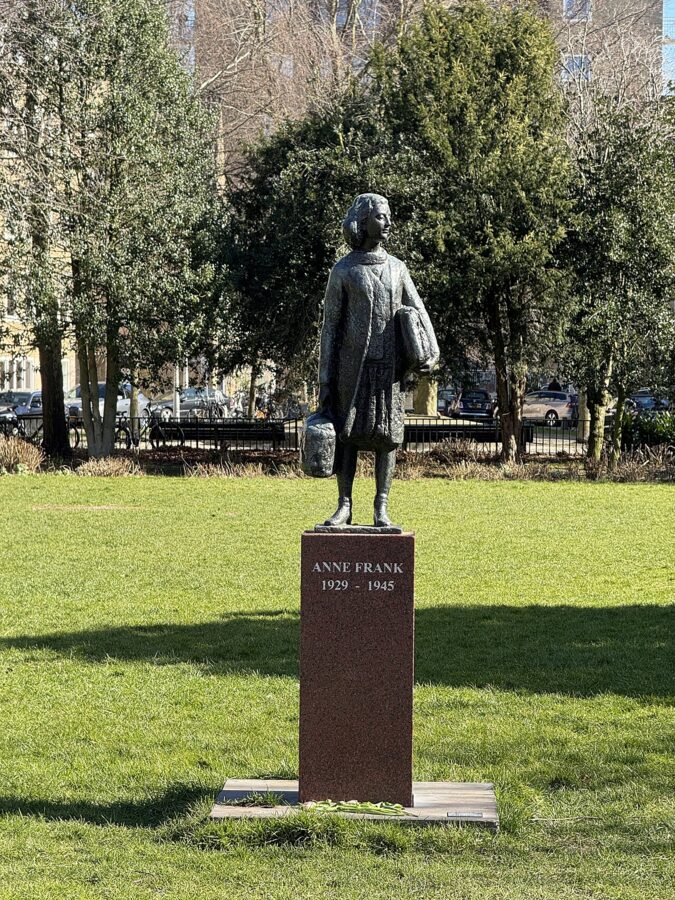
On the far side of the church, by its south wall, stands the bronze statue of Anne by Mari Andriessen, small and upright with her hands behind her back. It was commissioned by Contact, the diary’s publisher, and unveiled in 1977 by the mayor, Ivo Samkalden, with Otto Frank beside him. People leave flowers at its feet; it is a memorial, so leave room for them.
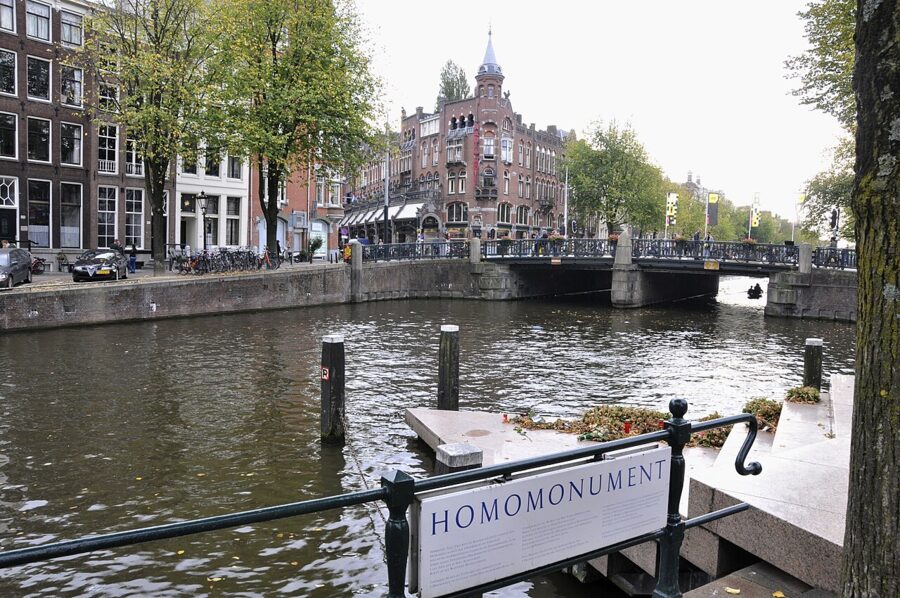
At the Keizersgracht end of the square is the Homomonument, three triangles of pink granite set into the pavement so that together they form one large triangle, with one point running out over the canal. Designed by Karin Daan and unveiled on 5 September 1987, it was the first memorial in the world to gay men and lesbians persecuted for who they were, and the pink triangle recalls the badge the Nazis made gay prisoners wear in the camps. People bring flowers here after attacks on gay people elsewhere, as they did after the Orlando nightclub shooting in 2016, and it is busy on 4 May and during Pride.
West of the square the Jordaan begins: narrow streets, small canals, brown cafés and the Noorderkerk at the top of the Prinsengracht, where the Noordermarkt sells old clothes and junk on Monday mornings and farm produce on Saturdays. On any other day there is nothing there, so plan around it. South along the canals it is a half-hour walk to the Rijksmuseum.
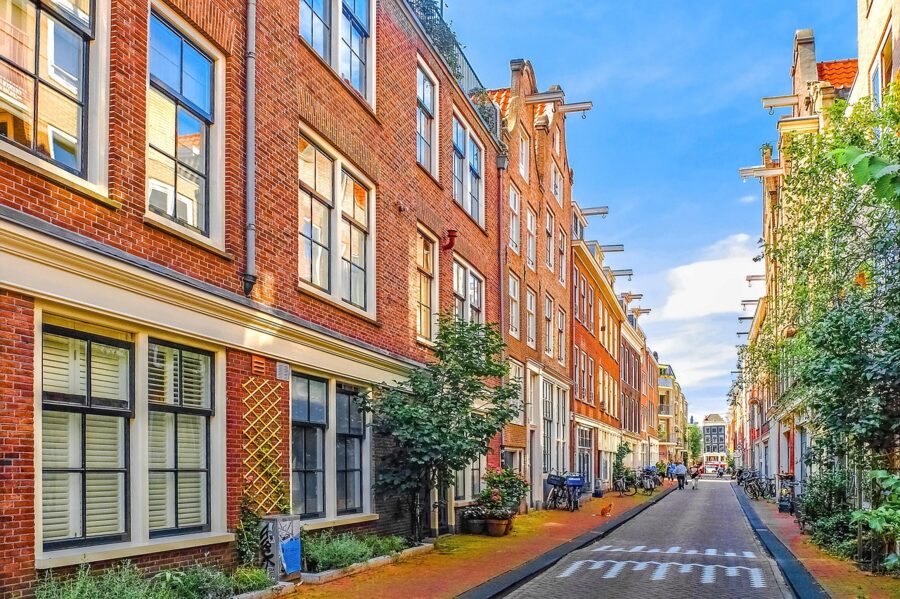
If you would rather see the house from the water, several canal cruises start from the piers by the museum, including a small one at Prinsengracht 265, next door.
Children, stairs and access
The museum sets a minimum age of 10 and says the house is not suitable for younger children, though parents make the final call. Some of the images and films are disturbing. For children of 10 to 15 there is the Anne’s Story audio tour, told from Anne’s point of view, and the museum suggests watching its short Who was Anne Frank? video with them beforehand and talking it through afterward.
The old house cannot be done in a wheelchair or with a walker, and that will not change. The route has three steep staircases up, of 12, 16 and 14 steps, the last two with a handrail on one side only; the 39-centimeter step behind the bookcase; three ordinary staircases down, of 16, 18 and 20 steps; and two short flights.
The modern part, with the temporary exhibition, scale models of the annex, the café and the shop, is partly reachable by lift through an accessible entrance, with a staff member. There is a disabled parking space 40 meters from the entrance on the Westermarkt. For anyone who cannot climb, the introductory program and the museum’s 3D online tour of every room, or its free virtual reality app, are the real alternatives.
What to read or watch first
Read the diary. The edition to get is the Definitive Edition, edited by Otto Frank and Mirjam Pressler, which restores the passages Otto left out of the 1947 book: the harsher lines about Edith, the pages about Peter, Anne on her own body. Even a few weeks of entries before you go will change what you see in those rooms.
Miep Gies’s memoir Anne Frank Remembered, written with Alison Leslie Gold and published in 1987, is the helpers’ side of the story in plain prose. For a teenager, Ari Folman and David Polonsky’s graphic adaptation of the diary is faithful and sharp. For the whole group of fourteen, Gertjan Broek and Elias van der Plicht’s group portrait of the eight and their helpers, published by Querido with the museum in 2025, is the newest research in one place.
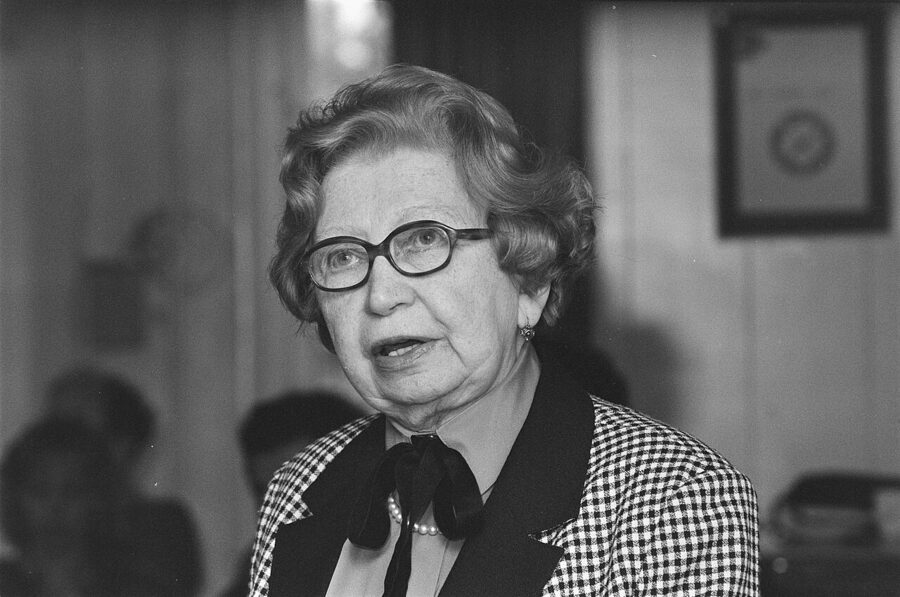
On screen, Jon Blair’s documentary Anne Frank Remembered (1995), which won the Academy Award, is the one to watch, with Miep and others who knew the family. The 2023 series A Small Light tells the story through Miep, and George Stevens’s 1959 film The Diary of Anne Frank is still the version most people’s parents saw. Folman’s animated Where Is Anne Frank (2021) is made for younger viewers.
If you cannot get a ticket at all, the museum’s online tour and its Annex Online pages cover every room, and the history of the building is laid out in more detail than any panel inside.
Getting there
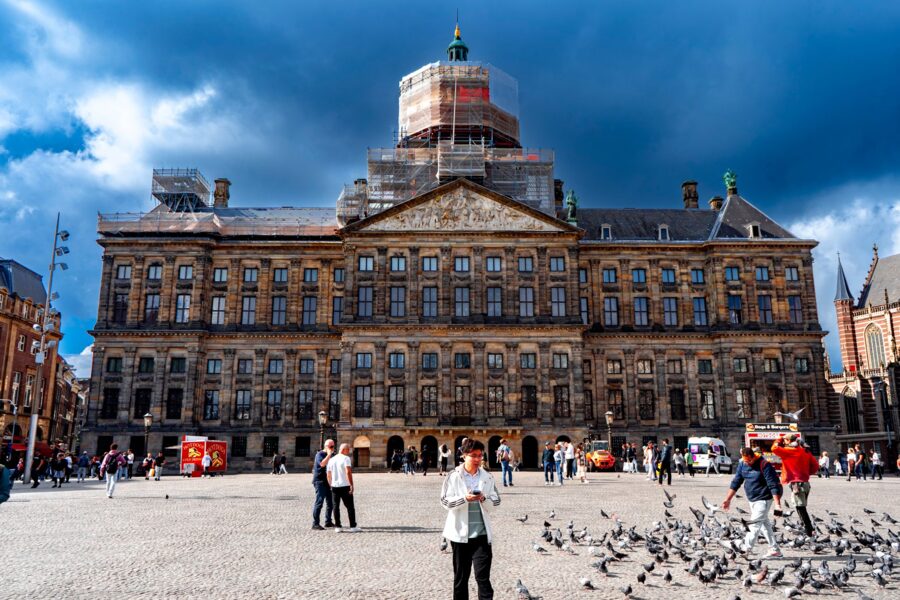
The house is at Prinsengracht 263–267, with the entrance around the corner at Westermarkt 20. From Amsterdam Centraal it is about 20 minutes on foot, and there are two good ways to do it. The quick one is down the Damrak to the Dam, about ten minutes, then behind the Royal Palace into the Raadhuisstraat and straight west across the Singel, the Herengracht and the Keizersgracht to the church, another ten. The Nadia Hotel is on this stretch of the Raadhuisstraat.
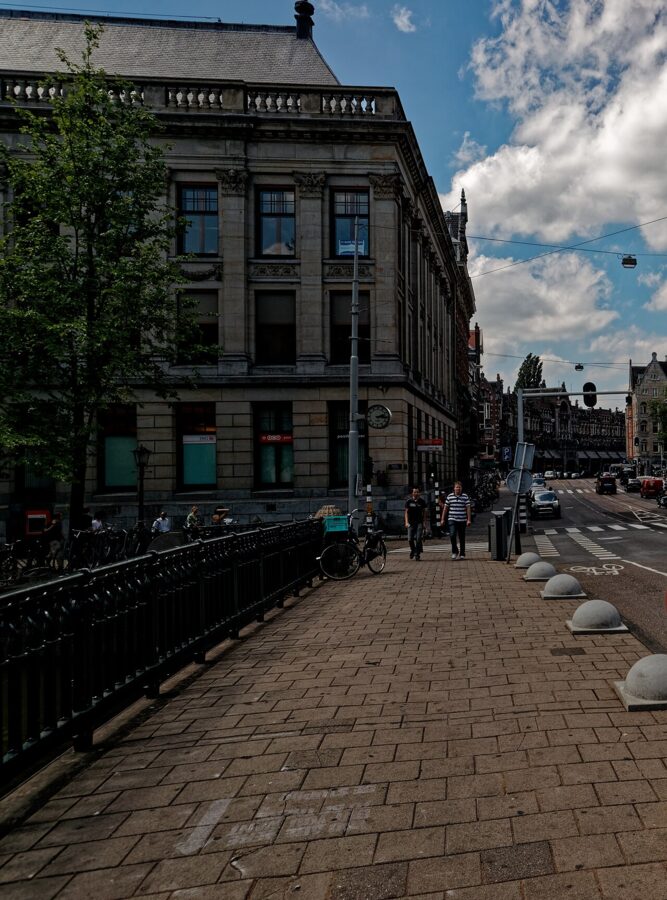

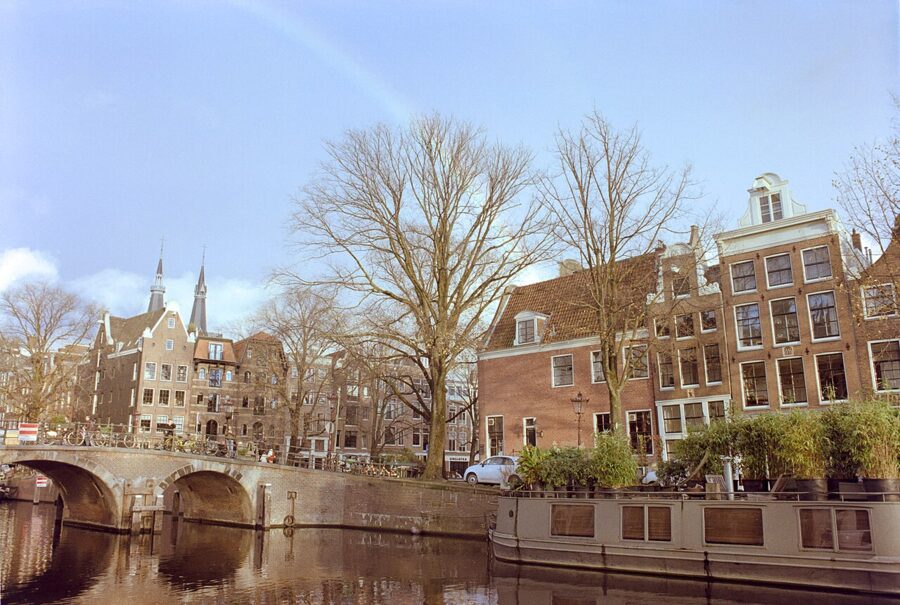
The slower and better one goes west from the station to the top of the Prinsengracht at the Brouwersgracht and then south along the canal, past the Noorderkerk, to number 263. You arrive the way the house was built to be seen, from the water side.

The Westermarkt tram stop is out of use while the square and the Raadhuisstraat are rebuilt: the city’s works began in February 2025 and are planned to run to mid-2027, and the museum expects trams back in February 2027. Until then, take any tram to the Dam and walk ten minutes, or metro 52 to Rokin and walk about fifteen. Drivers can use the Q-Park (Europarking) or IJDock garages, but nobody should drive into this part of the city if they can avoid it.
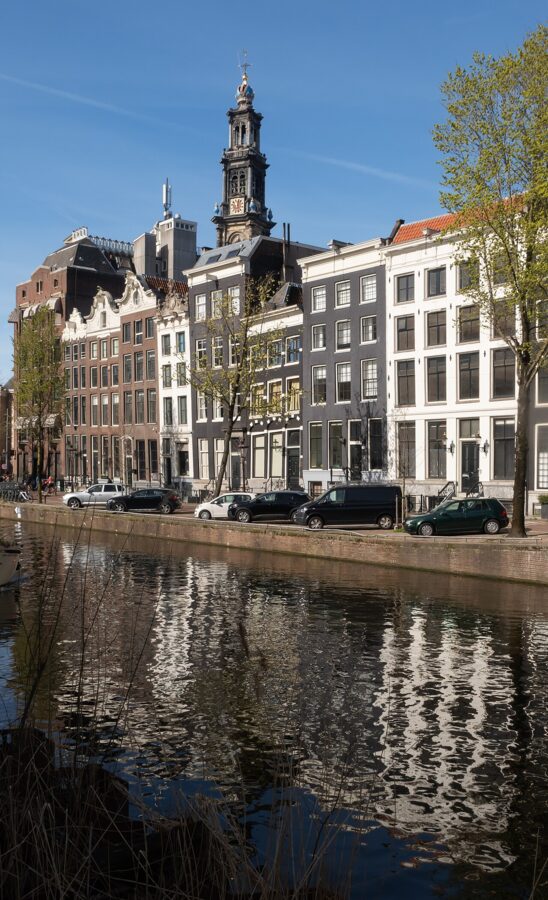

Get there ten minutes before your slot, check big bags at the hotel and not at the door, and if you can, take an evening time. Set the alarm for 10:00 on the Tuesday six weeks out, walk in from the Dam along the Raadhuisstraat, and give yourself a minute in the Westerkerk afterward before you rejoin the street.