

Every Tuesday at 10:00, Amsterdam time, the Anne Frank House puts a full day of tickets on sale for a date six weeks away, and there is no other way in. That is the first clock an Amsterdam museum trip runs on. The Rijksmuseum and the Van Gogh Museum run on a second one: both want a booked start time from everyone, card holders included, and the Van Gogh Museum sells nothing at the door.
The city has dozens of museums, from a 17th-century church hidden in an attic to a film museum across the IJ that you reach on a free ferry. Most of them you can walk into on the day. Three you cannot, and the order you book them in decides the shape of the trip more than anything else you plan.
So the plan is simple. Book the Anne Frank House the Tuesday six weeks out, book the two big Museumplein museums the moment your dates are fixed, and fill the gaps with the canal houses, which are smaller, cheaper and almost never full. Then decide whether a card saves you money, which is less often than the people selling the cards suggest.
Contents8 parts


The three that sell out, and how far ahead to book
Anne Frank House: the Tuesday rule
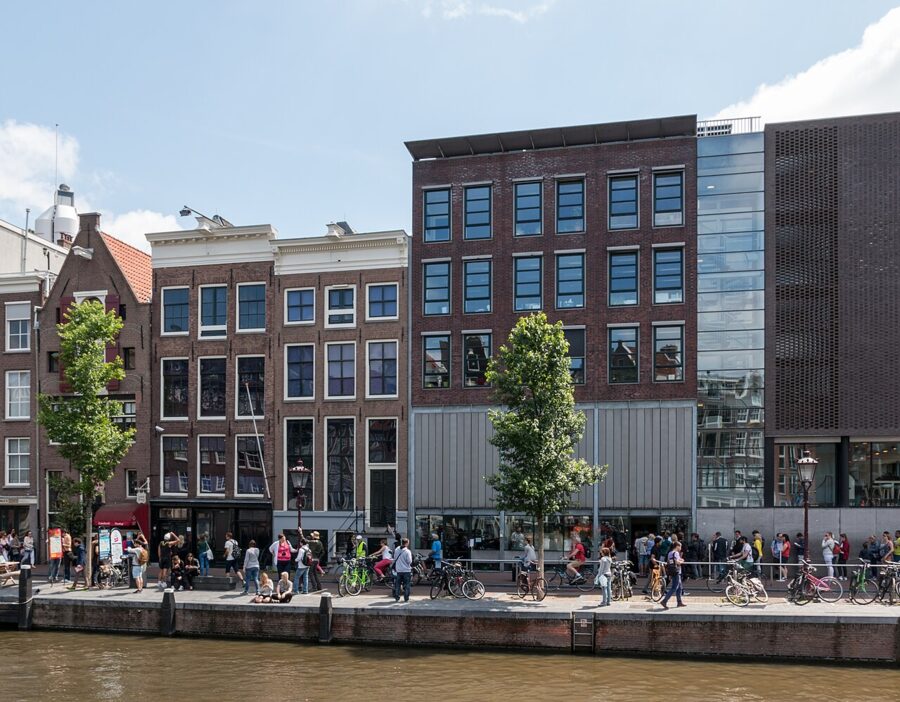
The Anne Frank House sells tickets only on its own website, only for a set time slot, and releases each date every Tuesday at 10:00 CET for a visit six weeks later. There are no tickets at the door, none through resellers, no exchanges and no refunds, even for a cancelled flight. If the date you want shows sold out, it is sold out.
As of late 2026 an adult ticket costs €16.50 (about US$19), €7 for ages 10 to 17 and €1 for children under 10, every price including a €1 booking fee. From 2027 the adult price goes to €17. Museumkaart holders pay only the €1 fee but still have to book; the I amsterdam City Card gets no discount here at all.
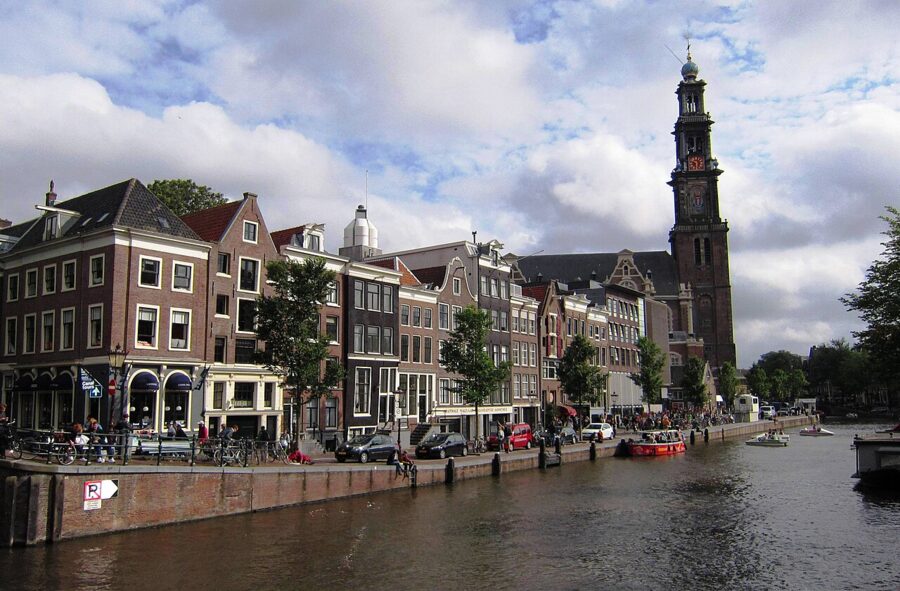
The house is open daily 09:00–22:00, with shorter days on public holidays: 09:00–17:00 on 25 and 31 December, and from 12:00 on 1 January. A visit takes about an hour. Photography is banned inside, bags bigger than an A4 sheet go in the cloakroom, and the stairs into the Secret Annex are steep. The entrance is at Westermarkt 20, on the Prinsengracht beside the Westerkerk, about fifteen minutes’ walk from Centraal.
The late hours are the trick. With the house open until 22:00 there are evening slots to try for if the daytime ones go first, and the rooms feel different with the canal dark outside.
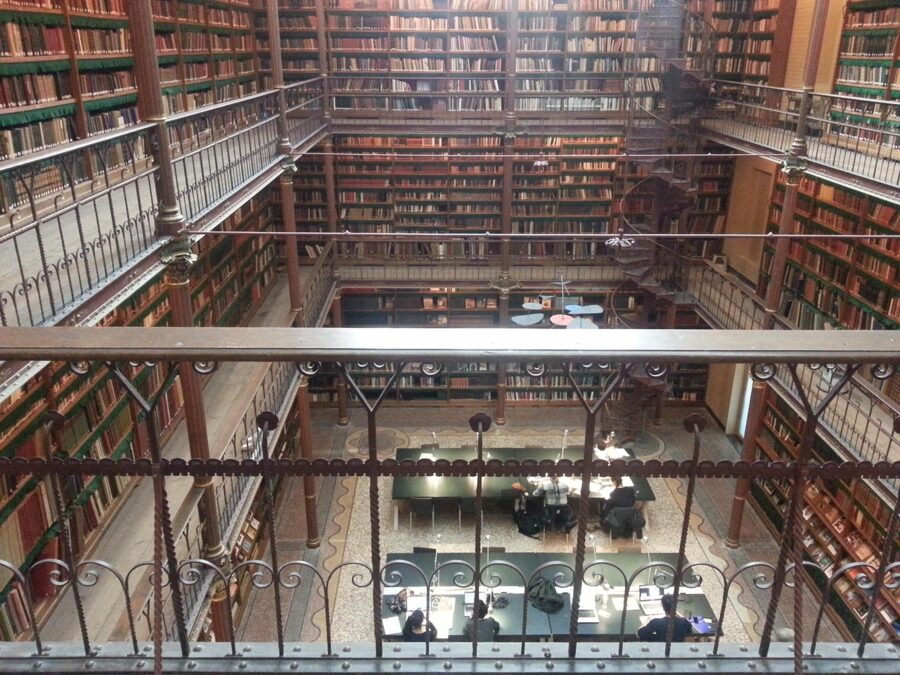
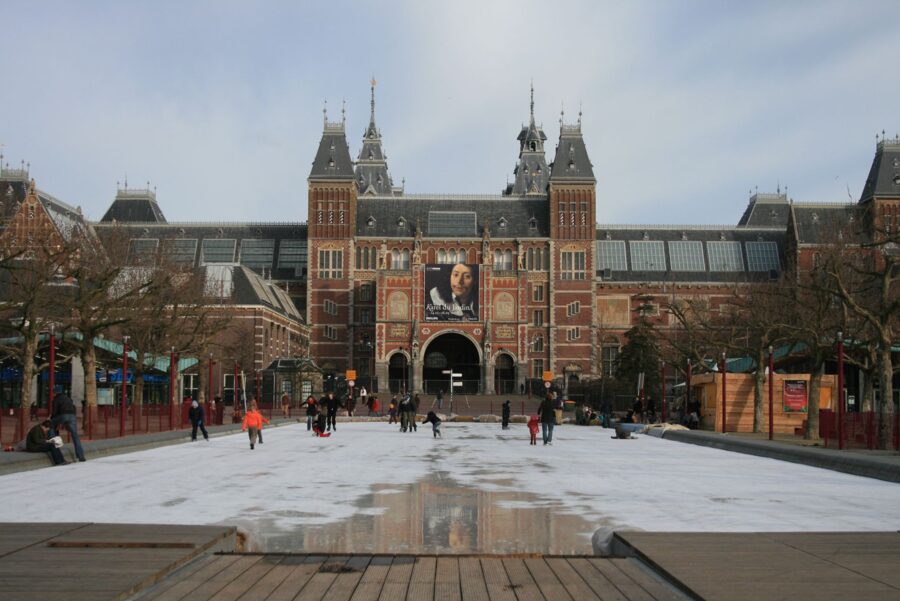
Rijksmuseum: book a start time
The Rijksmuseum, in short: it opens every day of the year 09:00–17:00, adults pay €25 (about US$29), rising to €26.50 in 2027, and anyone 18 or under goes free.
Everyone needs a booked start time, Museumkaart holders included; only the museum’s Friends and ICOM members walk straight in. Once inside you stay as long as you like, but you cannot step out and come back. The museum’s own advice is that it is quietest before 11:00 and after 15:30, and on Tuesdays and Wednesdays.
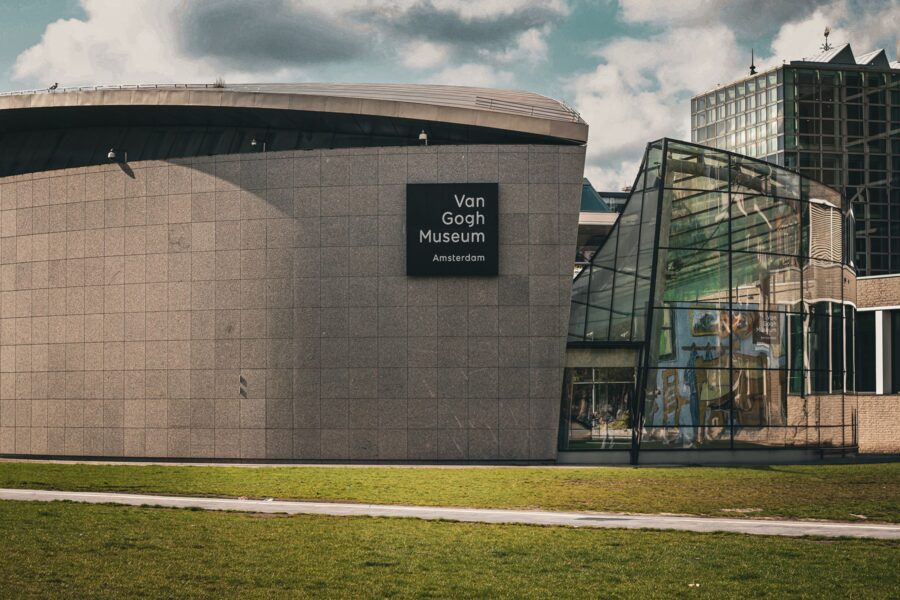
Van Gogh Museum: online only
The Van Gogh Museum charges €25 (about US$29), €26 from 1 January 2027, and nothing for under-18s. Tickets are sold online only, every ticket has a start time, and even free entries on a Museumkaart must be reserved online first. It has not taken the I amsterdam City Card since June 2022.
Buy only on the museum’s own ticket site or from the resellers it names. The museum itself warns that fake tickets circulate on other platforms, and a fake gets you nothing at the gate.
Hours shift through the year. Through 18 December 2026 it is open 09:00–17:00 with Fridays until 21:00, then 09:00–18:00 for most of the Christmas holidays; from March 2027 the standard day is 09:00–18:00, Fridays to 21:00, with a few Fridays excepted. The Friday evening is the best slot in the building. Until early January it also shows a Whistler retrospective (to 10 January 2027) and the Japanese printmaker Yoshitoshi (to 4 January 2027), both included in the ticket.
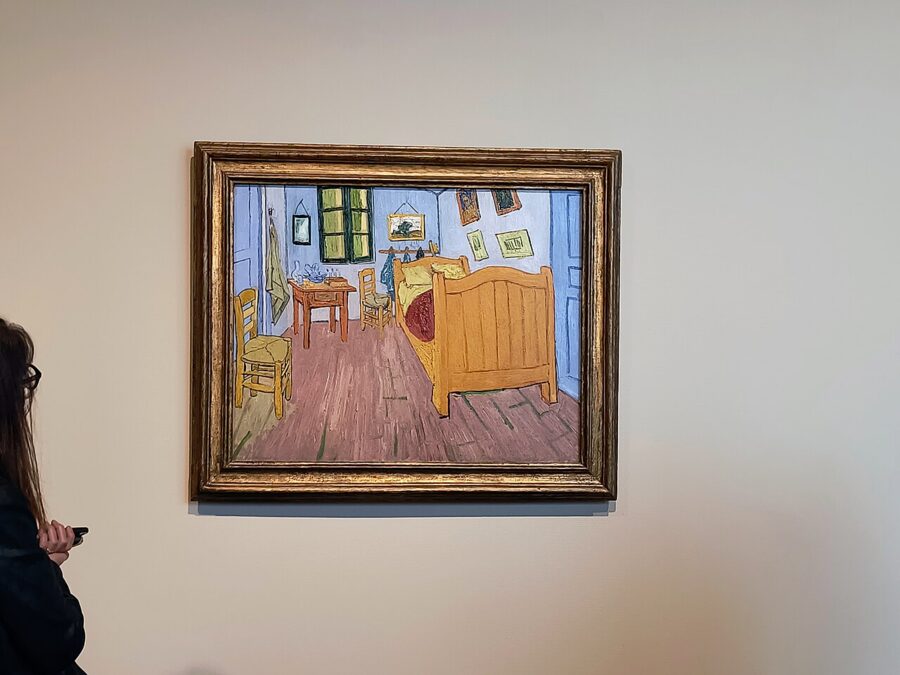

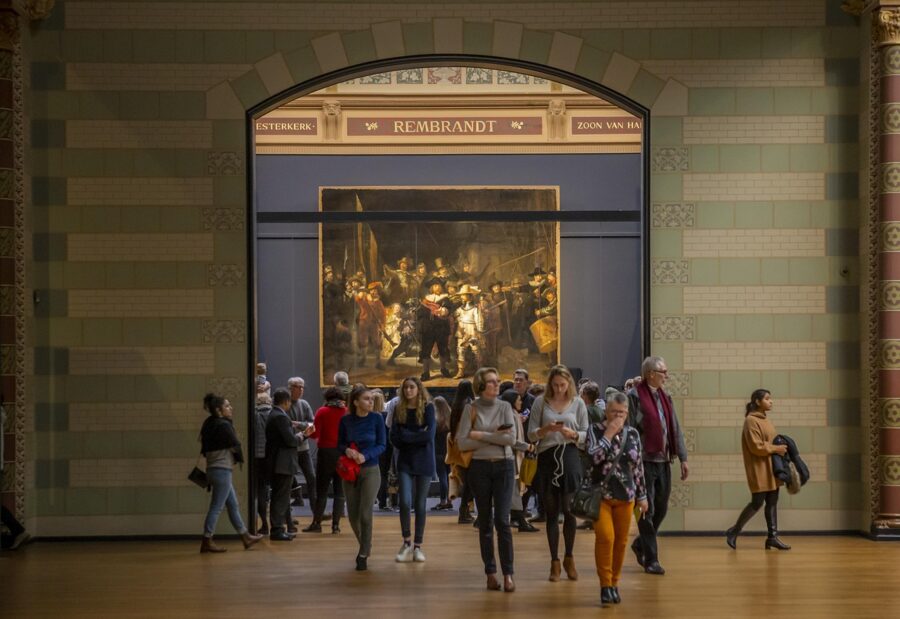
Which of the two, if you only have time for one? The Rijksmuseum if you want the whole country in a building: Rembrandt, Vermeer, Frans Hals, ship models, doll’s houses and a few Van Goghs. The Van Gogh Museum if one painter’s life, start to finish, is the point. Give either one three hours; doing both on one day is possible but tiring.
Museumplein: four museums and a lawn
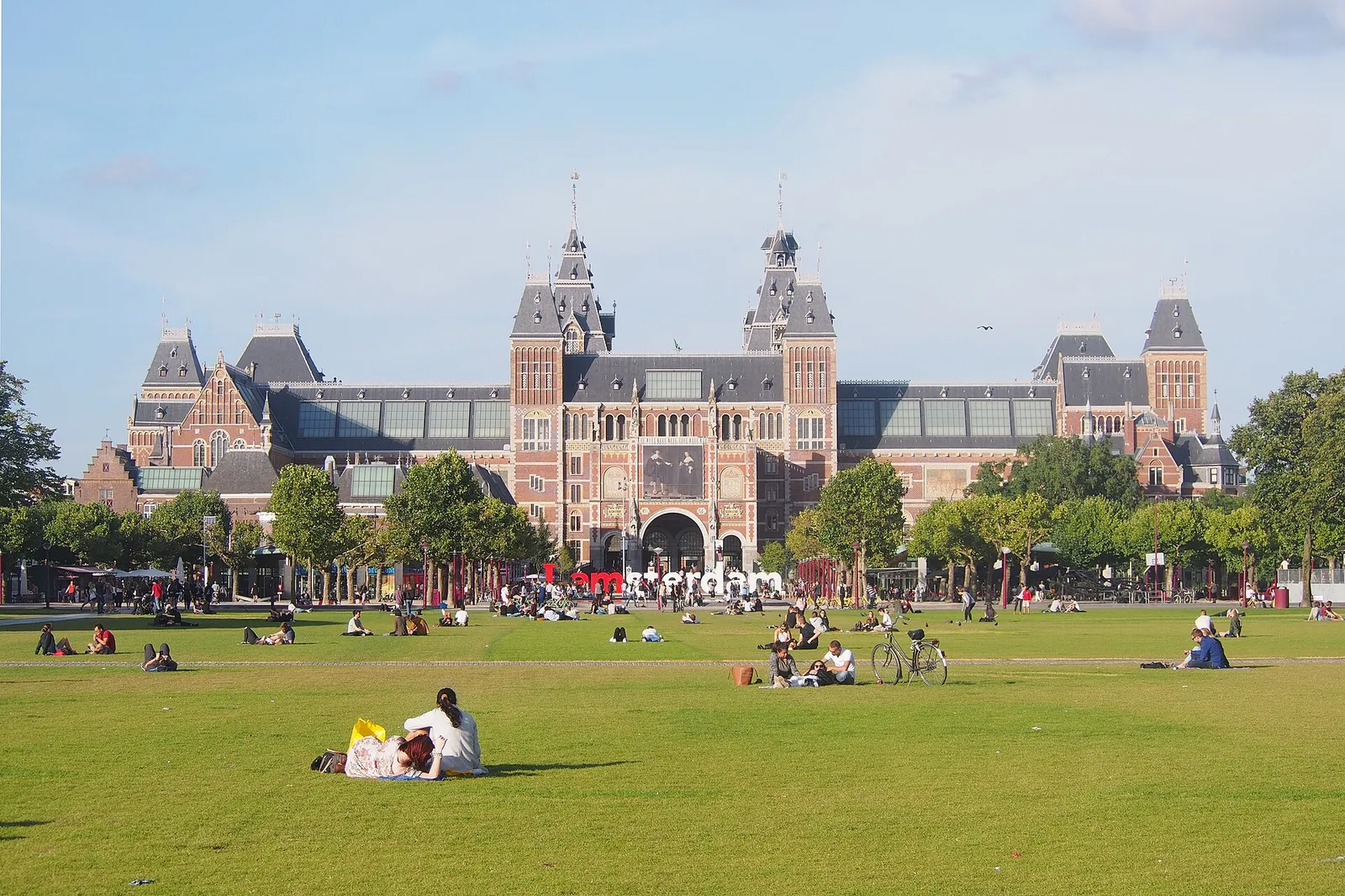
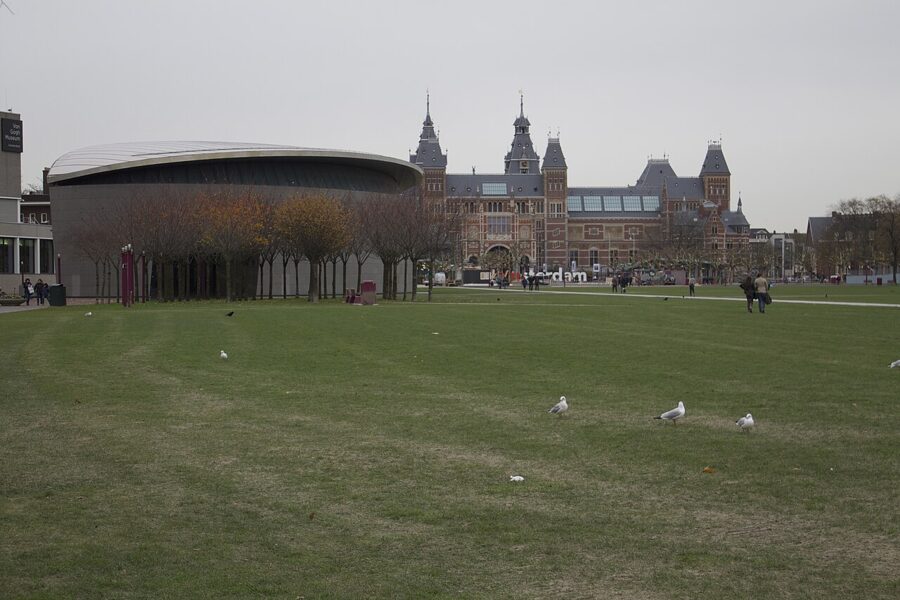
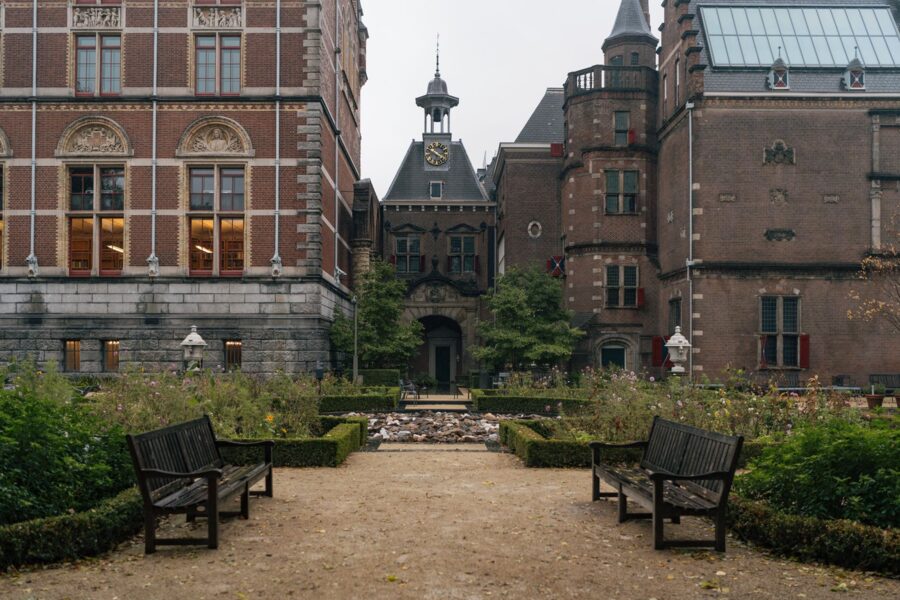
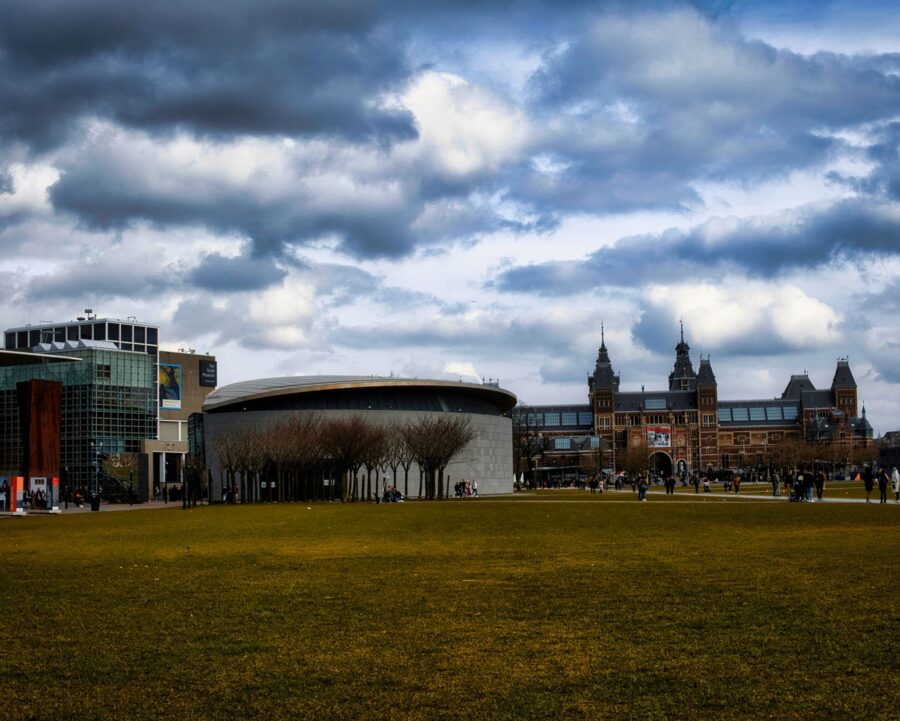
The Museumplein was named after the Rijksmuseum in 1903, and the rest of the city’s big art collections gathered around it: the Stedelijk, the Van Gogh Museum, Moco and, at the far end, the Concertgebouw concert hall. In winter the pond in front of the Rijksmuseum is often turned into an ice rink; in summer the lawn fills with picnics. The Vondelpark starts a few minutes’ walk to the west, which is where to go when the galleries start to blur.
Trams 2 and 24 run from Centraal to the Museumplein stop, and tram 5 from the Leidseplein stops there too; tram 12 from Amstel station stops at Concertgebouw. Metro 52 stops at Vijzelgracht, under ten minutes’ walk from the Rijksmuseum. From Leidseplein it is a short walk south across the Singelgracht.
Stedelijk Museum
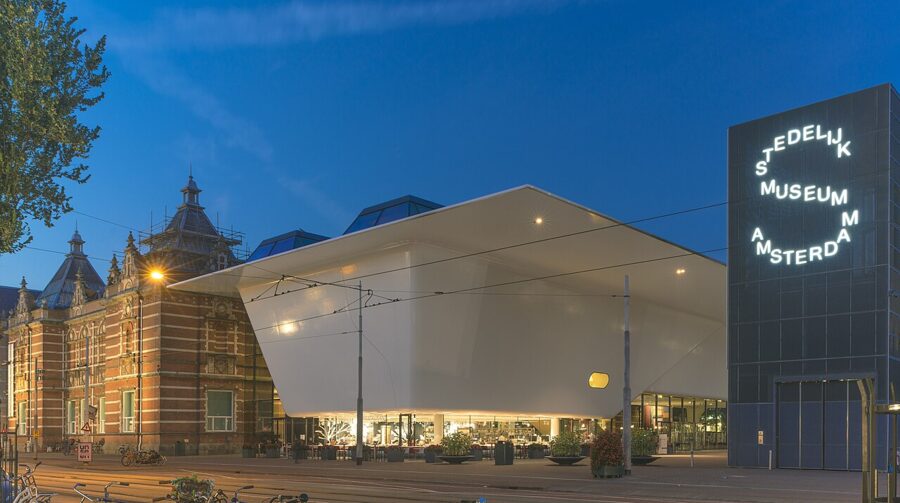
The Stedelijk is the city’s museum of modern art and design, founded in 1874, with a white 2012 wing known locally as de badkuip, the bathtub. Adults pay €22.50 (about US$26), students €12.50, and under-19s get in free, as do Museumkaart and City Card holders. It is open daily 10:00–18:00, with no entry after 17:45.
The museum asks everyone to buy online, and Museumkaart holders to reserve a slot. Backpacks and anything bigger than an A4 handbag go in the lockers. The current draw is a Yayoi Kusama show running to 31 January 2027, which makes weekend slots tighter than usual.
The ground floor costs nothing: the shop, the Don Quixote sculpture hall, the coffee bar and the café-restaurant all sit outside the ticket line. That makes it the one big museum on the square you can step into out of the rain without paying.

Moco
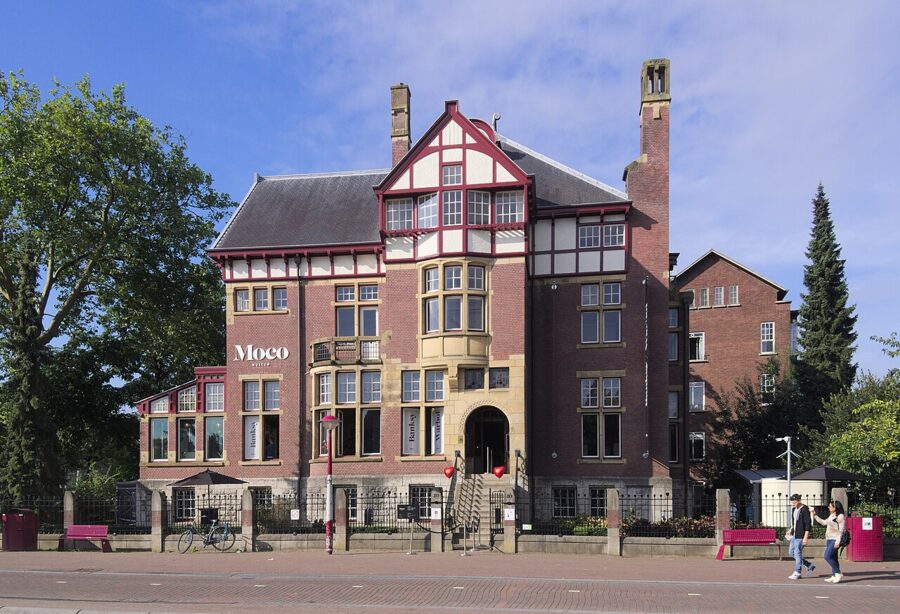
Moco is a private museum of Banksy, Warhol, Haring, Kusama and their successors in Villa Alsberg, a 1904 townhouse on the square designed by Eduard Cuypers, nephew of the Rijksmuseum’s architect. It opened in 2016 and is small: an hour and a half is plenty. Tickets start at €19.95 (about US$23) and the price moves with the slot, up to €5 cheaper early and late in the day.
It is open Monday to Thursday and Sunday 09:00–19:00, Friday and Saturday to 20:00. The Museumkaart is not valid here, though card holders get 30 percent off; the City Card is accepted with a booked slot. The villa has no lift, and under-16s need an adult with them.

Canal houses, a hidden church and a houseboat
The house museums are the part of Amsterdam that most short trips skip, and the part I would least want to miss. They are small, they are rarely full, and they show what the canal belt was built for: money, family and, in one case, a religion that had to stay out of sight.
Our Lord in the Attic
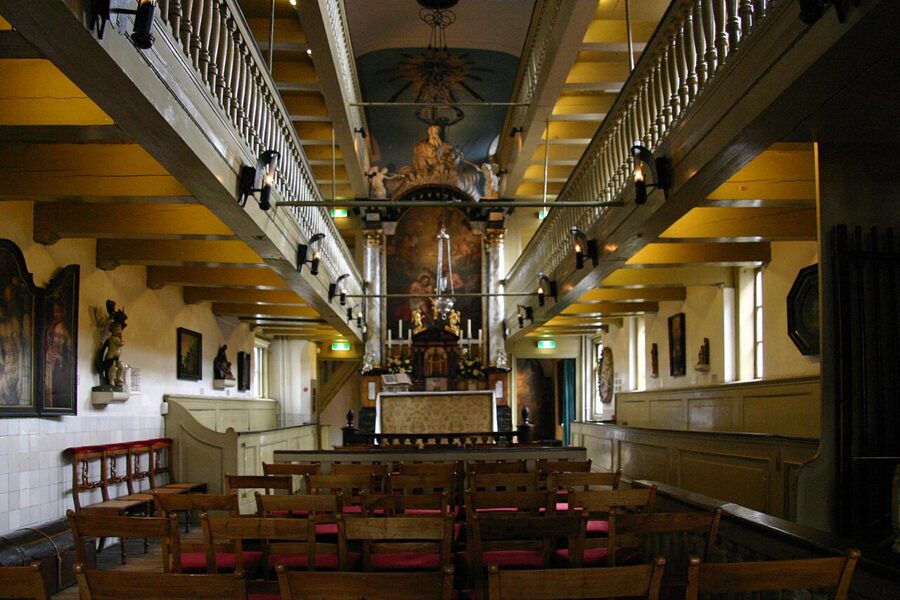
From the Oudezijds Voorburgwal, number 40 looks like any canal house. Climb the stairs and the top floors open into a full Catholic church, galleries, altar and organ, built into the attics in the 17th century when Catholics could not worship in public. It served as a church for more than two centuries and became a museum in 1888, which makes it one of the oldest museums in the city.
Our Lord in the Attic (Ons’ Lieve Heer op Solder) is open daily 10:00–18:00, except that it opens at 11:00 on the first Sunday of each month from September to June because of church services. It closes on 25 December and King’s Day, 27 April. Adults pay €18 (about US$21); Museumkaart and City Card holders go free. Bags bigger than A4 go in the free lockers.
It stands on the edge of De Wallen, a five-minute walk from Centraal, and it is the best hour you can spend in the old center on a wet day.


Museum Van Loon
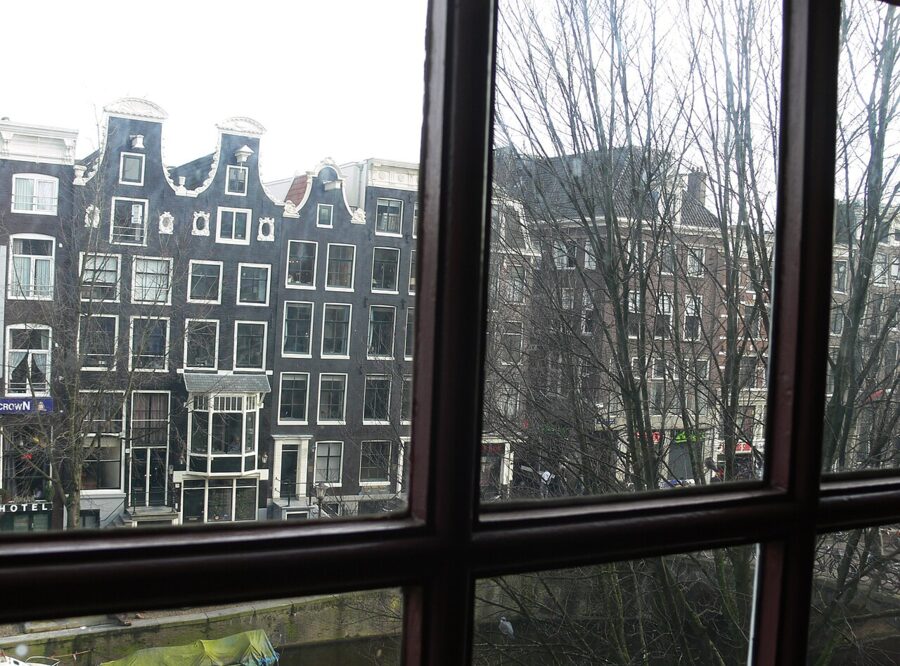
Keizersgracht 672 was built in 1671–72 for the merchant Jeremias van Raey to a design by Adriaan Dortsman; the painter Ferdinand Bol was its first tenant. The Van Loon family has owned it since 1884 and opened it to the public in 1973, and the family’s collection, the garden and the coach house at the back are what make it.
Museum Van Loon is open daily 10:00–17:00 (closing at 15:00 on 24 and 31 December, closed on King’s Day). Adults pay €17.50 (about US$20), children 6 to 18 €9.75; the Museumkaart and City Card are accepted. On Sundays at 11:00 there is a tour in English for €5 on top of the ticket. Take tram 24 to Muntplein, five minutes’ walk, or metro 52 to Vijzelgracht; the Bloemenmarkt is on the way from Muntplein.
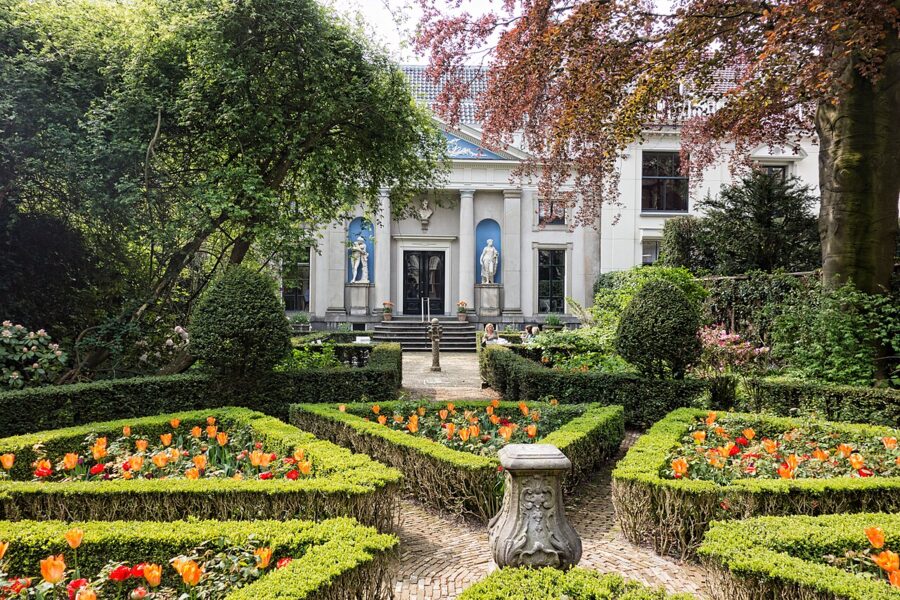

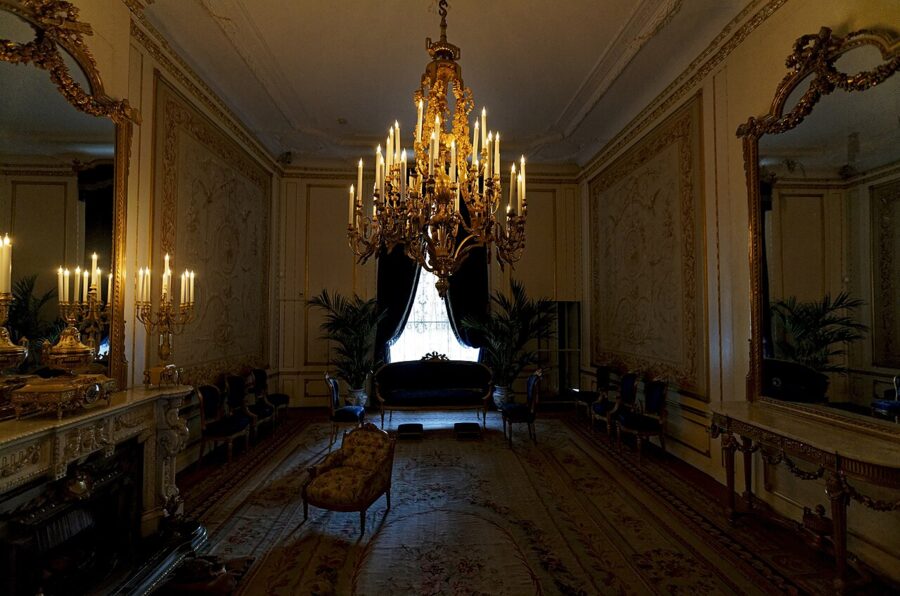
Huis Willet-Holthuysen
Herengracht 605 was built in 1685–87 and left to the city in 1895 by Louisa Holthuysen, widow of the collector Abraham Willet, with everything in it. The Amsterdam Museum runs it, and the rooms are set as a wealthy couple lived in the 1860s: ballroom, dining room, kitchen in the basement, garden at the back.
Until 4 April 2027 the house also holds Plantation along the Canal, an exhibition on the colonial plantation money that passed through the building in the 18th century and the 125 enslaved people whose names are tied to it. Huis Willet-Holthuysen is open daily 10:00–17:00 (12:00–17:00 on Christmas Day and New Year’s Day). Adults pay €15 (about US$17); Museumkaart and City Card holders go free. It is a few minutes from Rembrandtplein (tram 4) and from Waterlooplein (tram 14, metro 51, 53 and 54).

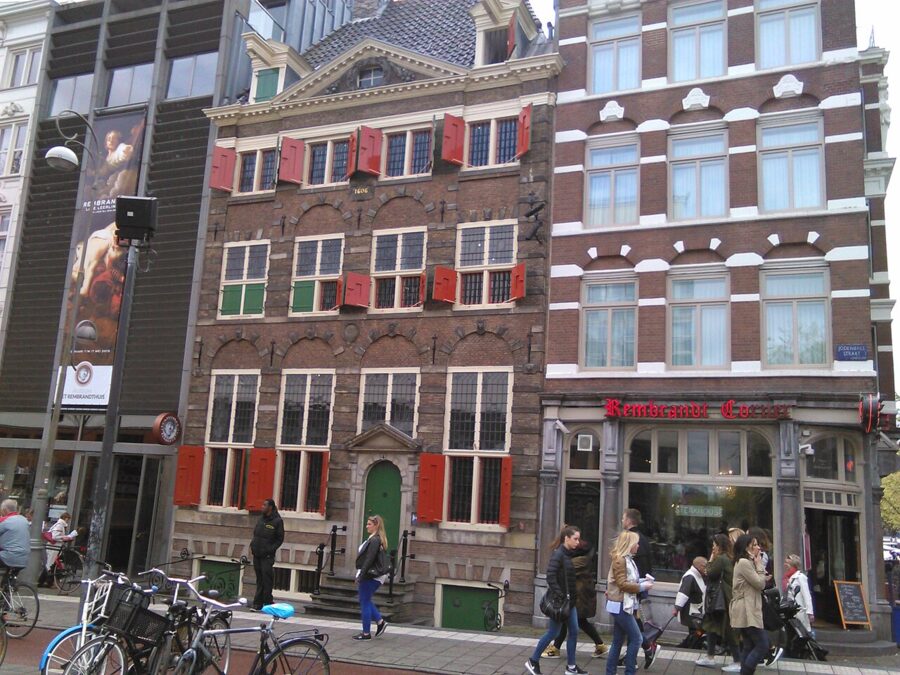
Rembrandt House
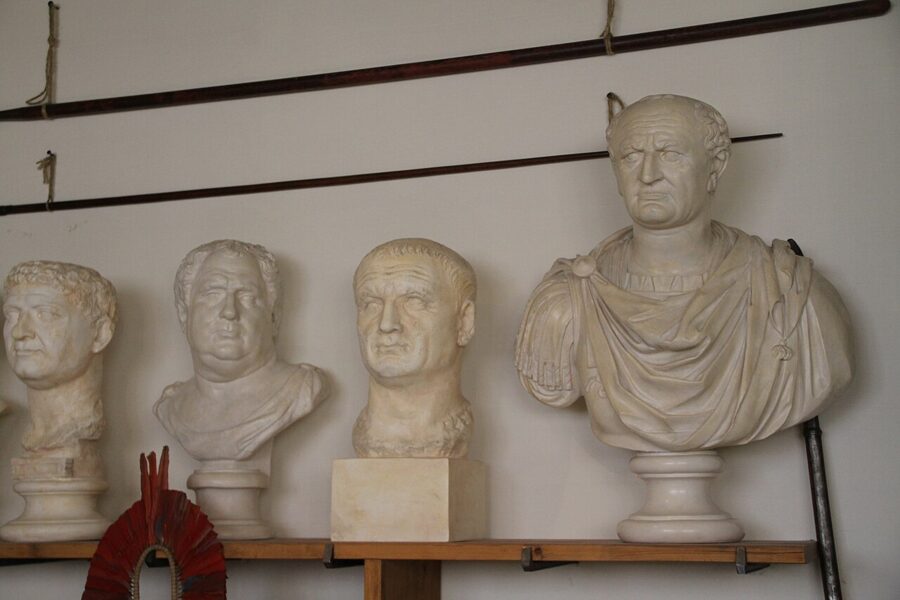
Rembrandt bought Jodenbreestraat 4 in 1639 and lived and worked there until 1658, after his bankruptcy of 1656 forced the sale. The inventory drawn up for his creditors is the reason the rooms could be refurnished as he had them, down to the art cabinet of shells, busts and curiosities. The museum opened in 1911.
The Rembrandt House opens daily at 10:00, closing at 17:00 until 18 December 2026 and at 18:00 from 19 December. It closes on 25 December, 7 January 2027 and 27 April 2027.
Adults pay €23.50 (about US$27), or €19.50 in the off-peak window from 15:00 to 17:00; under-25s pay €15, children 6 to 17 €8. The multimedia tour is included, and Museumkaart and City Card holders go free. Metro 51, 53 and 54 stop at Waterlooplein, around the corner.


The Houseboat Museum
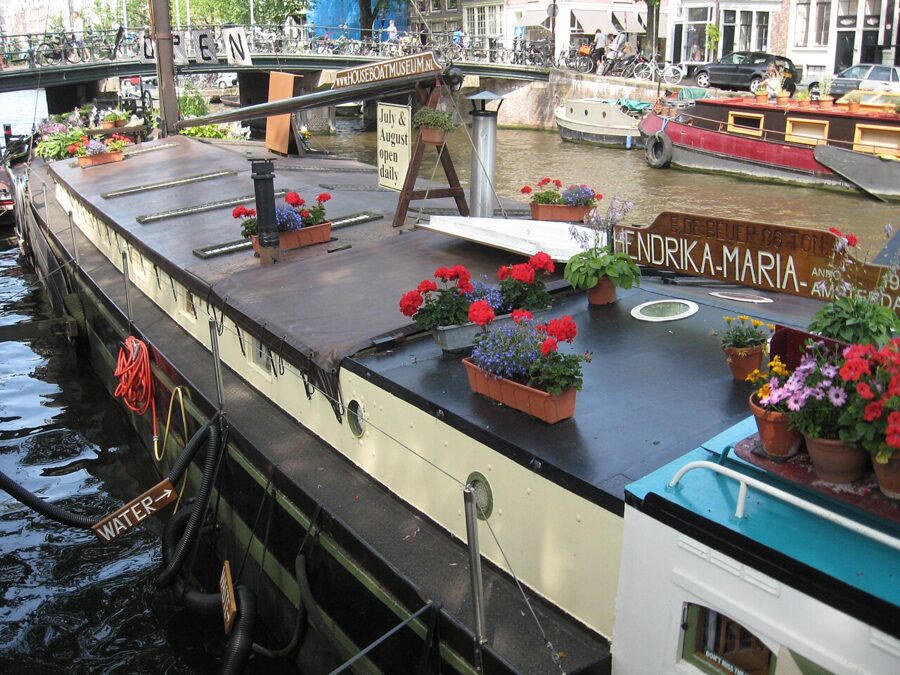
The Hendrika Maria is a cargo boat built in 1914 and fitted out as a home, moored at Prinsengracht 296 K, a few minutes’ walk from the Anne Frank House. It answers the questions everyone has walking past the canals: where the water and power come from, where the waste goes, whether it is damp, how small the bedrooms are. The Houseboat Museum charges €9.50 (about US$11), €8 before noon and €5 for children 6 to 12.
It is open 10:00–17:00 for most of the year, until 20:00 in July, August and September, and closed on 1 January, King’s Day and the first Saturday of August, when the Canal Parade comes past.

Two more for the canal belt: Foam, the photography museum at Keizersgracht 609, charges €16 (about US$19), is free with a Museumkaart and takes payment by card only. The Allard Pierson at Oude Turfmarkt 127, the University of Amsterdam’s museum of antiquities, is open Tuesday to Sunday 10:00–17:00 for €15.50 (about US$18), free with either card.
Ships, science, film and the odd ones
NEMO and the Scheepvaartmuseum
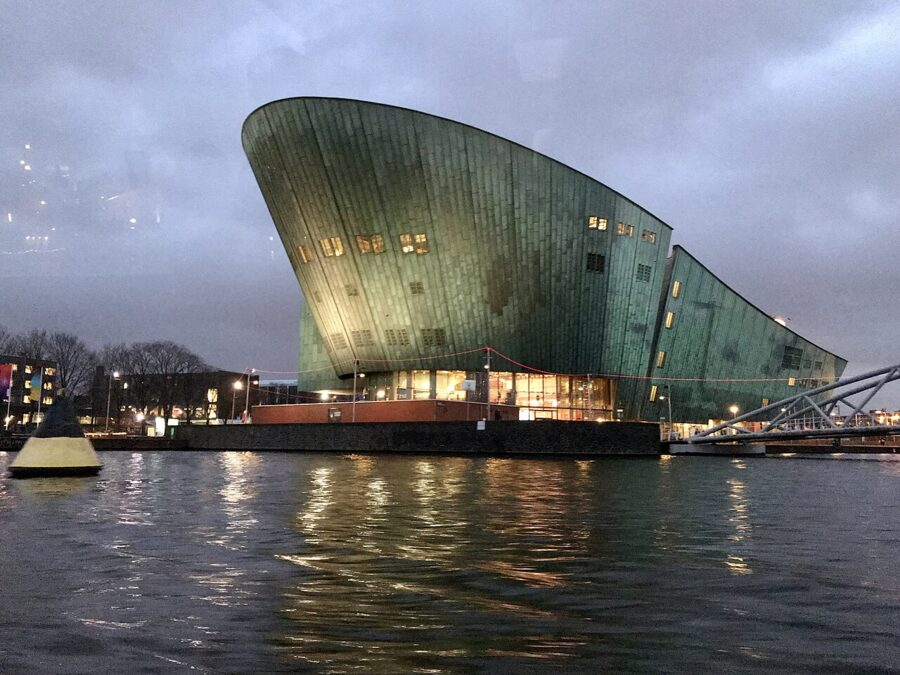
The green copper hull of NEMO Science Museum rises over the Oosterdok ten minutes’ walk east of Centraal, a hands-on science museum built for children and their parents. The essentials: adult tickets are €21.50 (about US$25), every ticket has a start time, and the museum says weekdays after 14:00 are the quiet time. It is closed most Mondays outside school holidays, so check the date before you promise it to children.

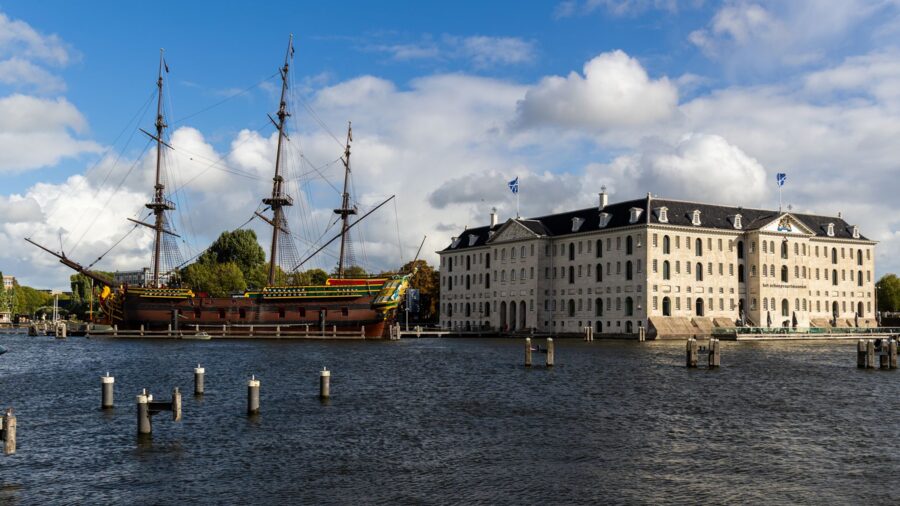
Across the water, Het Scheepvaartmuseum, the National Maritime Museum, fills the 1656 naval storehouse at Kattenburgerplein 1. It is open daily 10:00–17:00 except King’s Day, Christmas Day and New Year’s Day. Adults pay €20 (about US$23), ages 5 to 17 €8.50, and children 4 and under go free, as do Museumkaart and City Card holders. It takes cards only, and no American Express.
The ticket includes the full-size replica of the East Indiaman Amsterdam moored outside, built between 1985 and 1990 from the excavated wreck of a ship lost in 1749. Bus 42 from the IJ side of Centraal stops at the museum; walking takes about ten minutes. NEMO and the Scheepvaartmuseum side by side are the best rainy day in the city for families.


The Amsterdam Museum, closed until 2030
This one catches people out. The Amsterdam Museum’s main building, the old city orphanage off the Kalverstraat, is closed for a renovation that began on 3 September 2026, with reopening planned for 2030. Its temporary home on the Amstel closed on 1 December 2025.
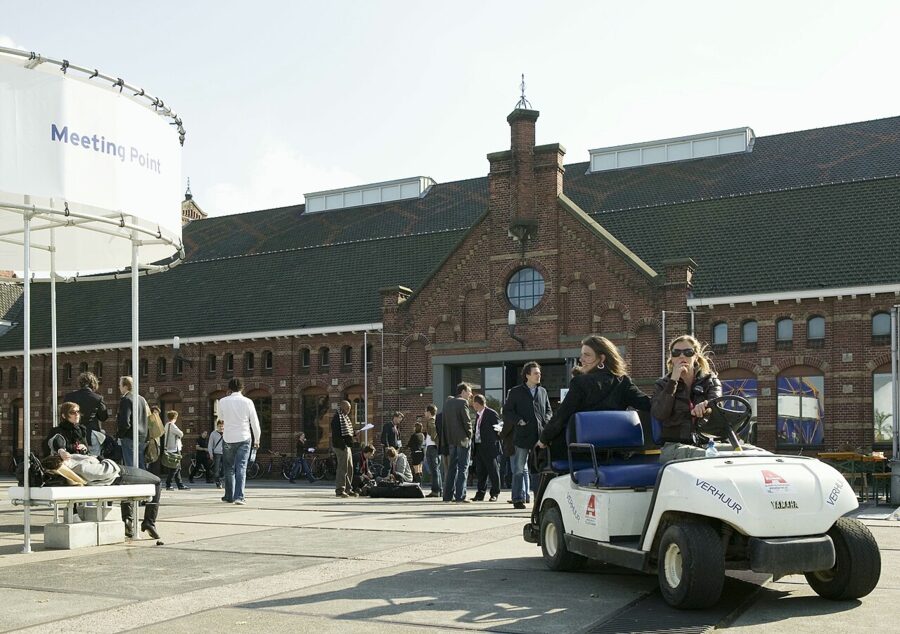
What is open is Amsterdam in Motion, the museum’s city history show at Pazzanistraat 19 in the Westergas park: 750 years told in 45 minutes, projected onto a huge model of the city. It is free with a Museumkaart and for under-18s. Hours are Monday to Wednesday 11:30–16:30, Thursday and Friday 10:00–17:00 and weekends 10:00–18:00. The museum’s other open address is Huis Willet-Holthuysen, above.

H’ART Museum
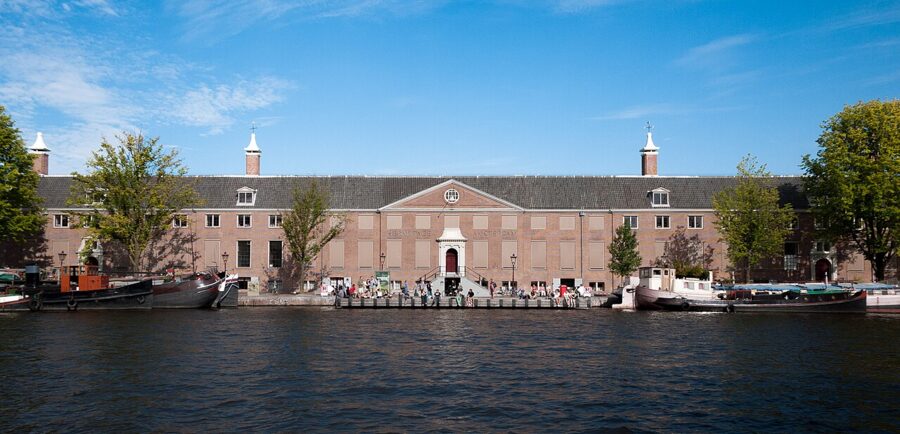
The long 17th-century Amstelhof on the Amstel was the Hermitage Amsterdam, a branch of the St Petersburg museum, until the tie was cut after Russia invaded Ukraine. Since September 2023 it has been H’ART Museum, showing loans from other big collections. Until 14 February 2027 that means Chez Matisse, masterpieces from the Centre Pompidou in Paris.
Adults pay €29.50 (about US$34), up to age 17 free. Museumkaart and City Card holders pay €7, because of a surcharge on the Matisse show. It is open daily 10:00–17:00, last entry 16:30, closed on King’s Day. Tram 14 and metro 51, 53 and 54 stop at Waterlooplein, a short walk across the Amstel.

Eye Filmmuseum
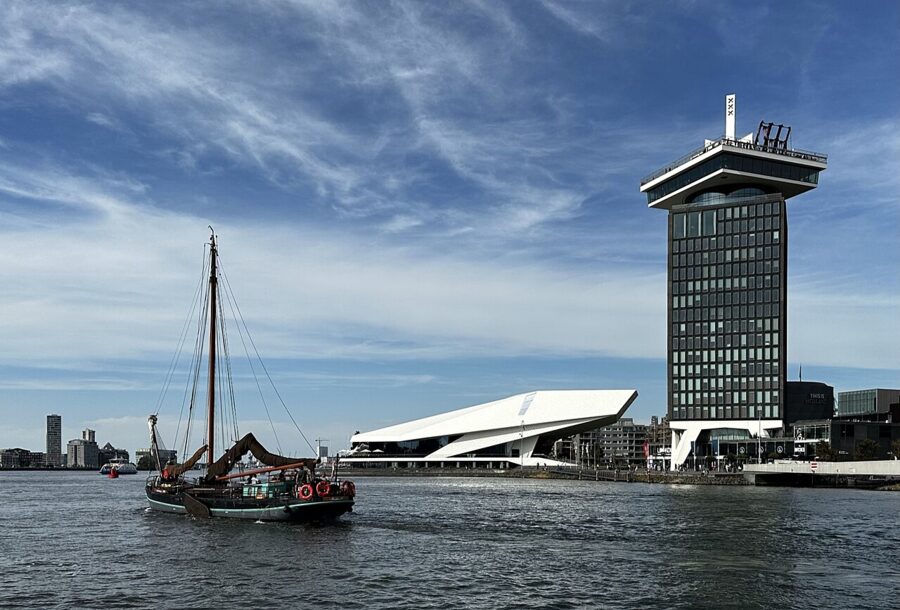
The white wedge on the far bank of the IJ is the Eye Filmmuseum in Amsterdam-Noord, reached on ferry F3 from behind Centraal to Buiksloterweg: free, round the clock, under five minutes across. The exhibition ticket is €16.50 (about US$19), free for under-18s, Museumkaart holders and City Card holders at the box office; films cost extra.
Until the end of 2026 the exhibition is closed on Mondays. From 19 December 2026 Eye opens daily from 10:00 again, and the exhibition stays open until 19:00 most days. The bar-restaurant terrace looks straight back at the old city.

The Sex Museum and the Erotic Museum
Two of the city’s odd ones are about exactly what they say. The Sex Museum on the Damrak is a few minutes’ walk from Centraal, and the Erotic Museum on the Oudezijds Achterburgwal sits inside the Red Light District. Both sit on the walk between Centraal and the old center, and an hour covers either.
Museumkaart or I amsterdam City Card
Two cards, built for different people. The Museumkaart is a Dutch annual pass for residents that anyone from abroad can use in a limited way. The I amsterdam City Card is a city pass built for a short trip. Neither covers everything, and for a lot of trips neither pays.
The Museumkaart
An adult Museumkaart costs €75 (about US$87) and the youth and children’s cards €39, as of late 2026, for a year of entry to more than 500 Dutch museums. Buy one at a museum desk and you get a temporary paper card that works at once. That temporary card is valid for 31 days and a maximum of three visits, and the visit you make when you buy it counts as the first.
To go past three visits you register the card online, and the permanent card is posted to an address in the EU. Some museum websites in Amsterdam still give the old limit of five; the card’s own rules now say three. For someone living outside the EU, three visits is the realistic ceiling.
Do the sum before you buy. The Rijksmuseum (€25), the Van Gogh Museum (€25) and the Rembrandt House (€23.50) come to €73.50, less than the card.
Even the best case, swapping in H’ART, where card holders still pay €7, saves €72.50. Capped at three visits, you do not come out ahead. An EU resident who registers the card and keeps using it is a different story.
The I amsterdam City Card
The City Card now comes in two forms. The Total Experience card covers unlimited entry to the 70-plus museums and attractions on its list, GVB trams, buses and metro within Amsterdam, one canal cruise and a 24-hour bike rental. It costs €67 (about US$78) for 24 hours, €94 for 48, €115 for 72, €130 for 96 and €140 for 120; children 4 to 17 pay €40 to €84.
The Explorer card, digital only, gives you a fixed number of activities and no transport: €44 (about US$51) for three, €69 for five, €95 for seven, used within five days of the first scan. The list includes the Rijksmuseum, Stedelijk, Moco, NEMO, the Rembrandt House, the Scheepvaartmuseum, Eye, Foam, Our Lord in the Attic, Museum Van Loon and Huis Willet-Holthuysen. It does not include the Van Gogh Museum or the Anne Frank House. Booking a time slot with the card does not start the clock; the first scan does.
The Explorer is the one that pays most often. Three activities for €44 against the Rijksmuseum, the Rembrandt House and Our Lord in the Attic, €66.50 at the door, saves €22.50. The 48-hour Total Experience pays if you will really do four or five paid museums in two days and ride the trams between them. Add a canal cruise you would have bought anyway and the margin grows.
| Museumkaart (temporary) | City Card Total Experience | City Card Explorer | |
|---|---|---|---|
| Price (adult, as of 2026) | €75 | €67 (24h) to €140 (120h) | €44 / €69 / €95 |
| What you get | 3 visits in 31 days (more if registered in the EU) | Unlimited listed venues, transport, cruise, bike | 3, 5 or 7 activities in 5 days |
| Rijksmuseum, Stedelijk, Rembrandt House | Yes | Yes | Yes |
| Van Gogh Museum | Yes (book online) | No | No |
| Anne Frank House | €1 fee, book online | No discount | No |
| Moco | No (30% off) | Yes | Yes |
| Public transport | No | Yes | No |
Neither pays when your list is the Van Gogh Museum, the Anne Frank House and one more. Buy those three tickets on their own and spend the difference on lunch.
Hours, late nights and closures
The table is as of late November 2026, adult prices; check the venue before you go, because most change their hours in winter and at Christmas. Every museum below takes cards; several take no cash at all.
| Museum | Hours | Adult | Booking |
|---|---|---|---|
| Anne Frank House | Daily 09:00–22:00 | €16.50 | Online only, released Tuesdays for six weeks out |
| Rijksmuseum | Daily 09:00–17:00 | €25 | Start time required for all |
| Van Gogh Museum | 09:00–17:00, Fri to 21:00 (winter) | €25 | Online only, start time for all |
| Stedelijk | Daily 10:00–18:00 | €22.50 | Online advised; slot for card holders |
| Moco | 09:00–19:00, Fri–Sat to 20:00 | from €19.95 | Timed slots |
| Our Lord in the Attic | Daily 10:00–18:00 | €18 | Online advised |
| Rembrandt House | Daily from 10:00 | €23.50 | Online or at the desk |
| Museum Van Loon | Daily 10:00–17:00 | €17.50 | Online or at the desk |
| Huis Willet-Holthuysen | Daily 10:00–17:00 | €15 | Online or at the desk |
| Scheepvaartmuseum | Daily 10:00–17:00 | €20 | Online or at the desk |
| H’ART Museum | Daily 10:00–17:00 | €29.50 | Timed slots |
| Eye (exhibition) | From 10:00, to 19:00 | €16.50 | Box office or online |
| Houseboat Museum | 10:00–17:00 (to 20:00 Jul–Sep) | €9.50 | Online or on board |
For late nights the Anne Frank House, open to 22:00 every day, wins easily; then come the Van Gogh Museum on Fridays to 21:00, Moco on Fridays and Saturdays to 20:00 and Eye’s exhibition to 19:00. King’s Day, 27 April, shuts Our Lord in the Attic, the Rembrandt House, the Scheepvaartmuseum, H’ART, Museum Van Loon, the Houseboat Museum and Eye. Christmas Day closes Our Lord in the Attic, the Rembrandt House and the Scheepvaartmuseum. The Rijksmuseum opens every day of the year.
Free and cheap
None of the big museums has a free day. What Amsterdam has instead is free entry for the young: under-18s pay nothing at the Rijksmuseum, the Van Gogh Museum, H’ART, Eye’s exhibition and Amsterdam in Motion, and the Stedelijk lets in everyone under 19. A family with teenagers pays for the adults only.
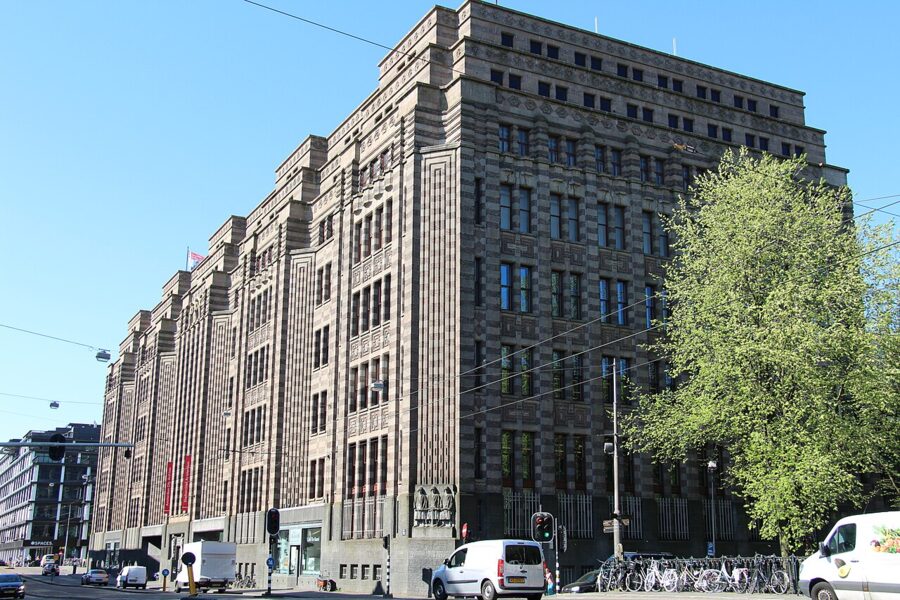
The best free museum in the center is the Treasury of the Stadsarchief, the city archives, in the De Bazel building at Vijzelstraat 32. Its permanent display of the city’s documents costs nothing, open Tuesday to Friday 10:00–17:00 and weekends 12:00–17:00; a ticketed show on how 17th-century artists pictured Amsterdam runs to 7 March. The Stedelijk’s ground floor, the Rijksmuseum gardens in summer and Eye’s foyer on the IJ are free too.

For cheap, time the visit. The Rembrandt House drops to €19.50 from 15:00 to 17:00, the Houseboat Museum costs €8 before noon, and Moco is up to €5 cheaper in the early and late slots. And the Rijksmuseum shop and café open to everyone, ticket or not, from 17:00 to 18:00.
Two days of museums, and a rainy afternoon
Day one: Museumplein
Take the 09:00 slot at the Rijksmuseum and go straight to the Gallery of Honour before it fills. Leave by 12:30, eat on the square or along the Van Baerlestraat, and walk ten minutes in the Vondelpark. Take an afternoon slot at the Van Gogh Museum, or, on a Friday, the evening one, and use the free hour between for the Stedelijk’s ground floor. If there is energy left, Moco’s last slots are the cheap ones.
Day two: the canal belt
Start with the Anne Frank House at 09:00, then walk five minutes along the Prinsengracht to the Houseboat Museum. Pick one of Museum Van Loon or Huis Willet-Holthuysen for late morning; both together is a lot of chandeliers. Be at the Rembrandt House for the off-peak price at 15:00, then walk fifteen minutes north to Our Lord in the Attic, which stays open until 18:00. On a Saturday or Monday morning, the Noordermarkt is ten minutes north of the Anne Frank House if you have time before your slot.

A rainy afternoon
Keep the walking short. Walk ten minutes east from Centraal to NEMO and the Scheepvaartmuseum, which face each other across the Oosterdok, and give each a couple of hours. Or take the F3 ferry to Eye, see the exhibition and stay on for a film. If you are already in the old center, Our Lord in the Attic plus the Stadsarchief’s free Treasury fills an afternoon without more than fifteen minutes outdoors.
The Anne Frank House releases its tickets at 10:00 on Tuesdays, six weeks out; set an alarm for that, book the Rijksmuseum and the Van Gogh Museum the same day, and leave the canal houses for when you are in the city.