
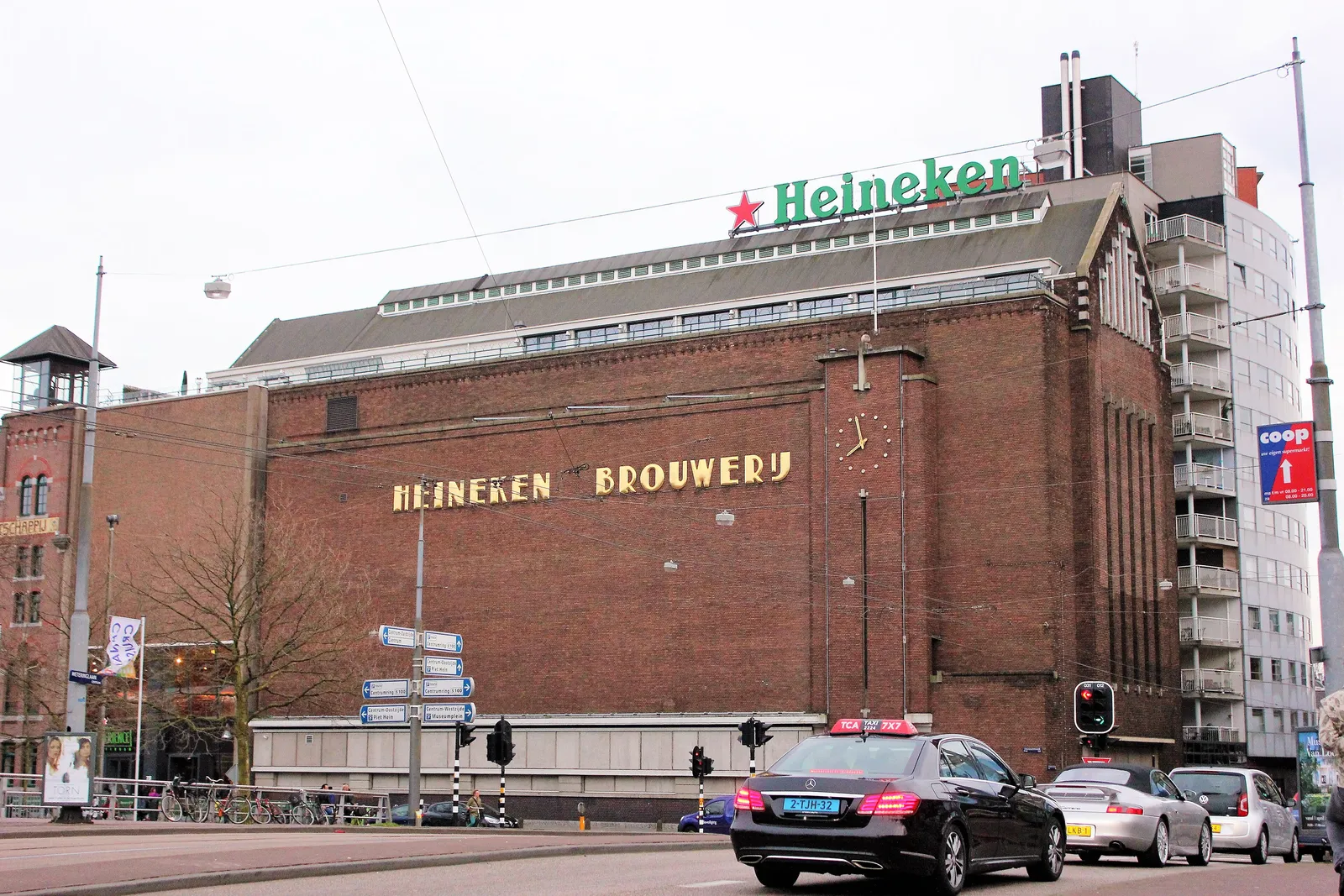

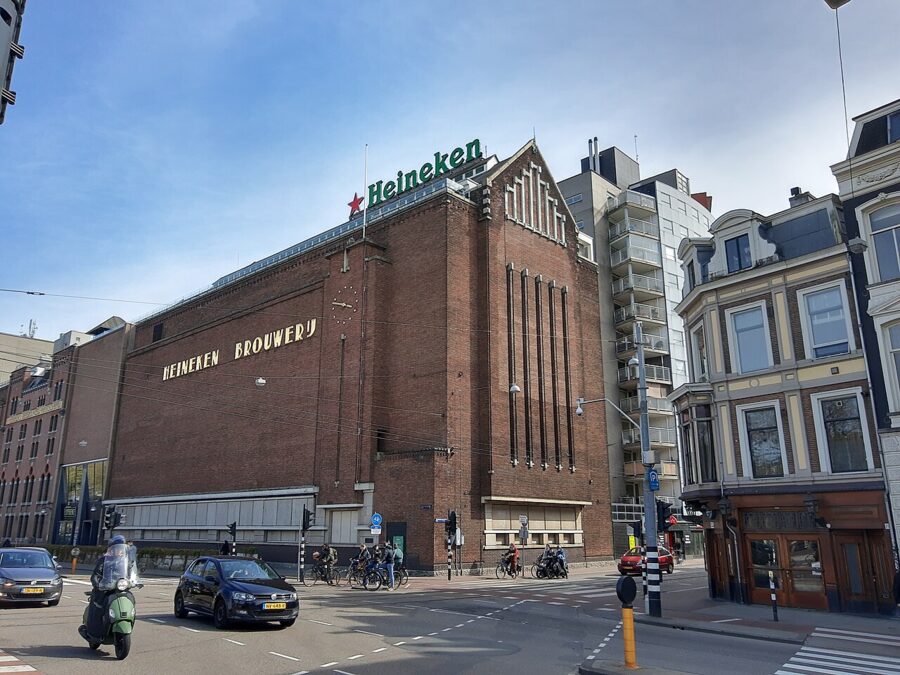
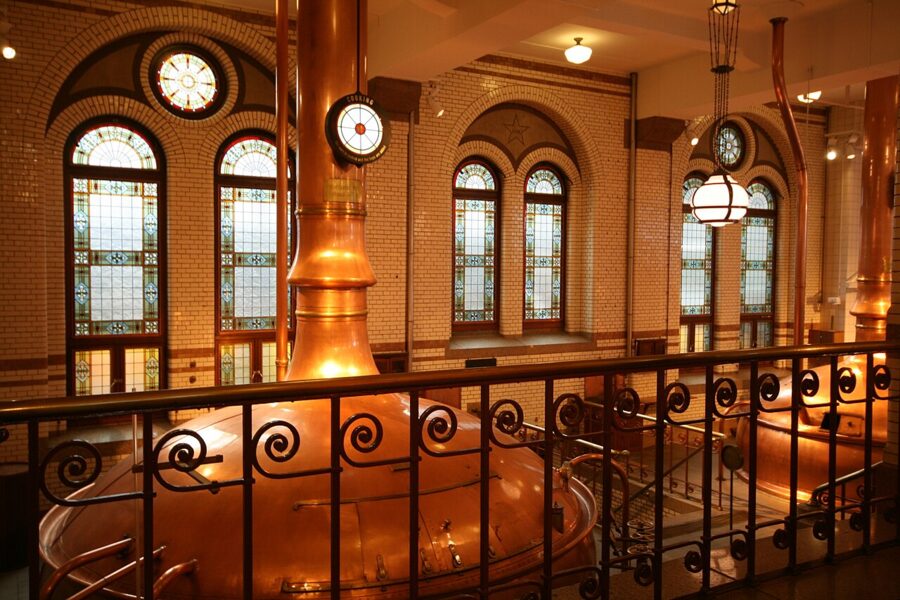
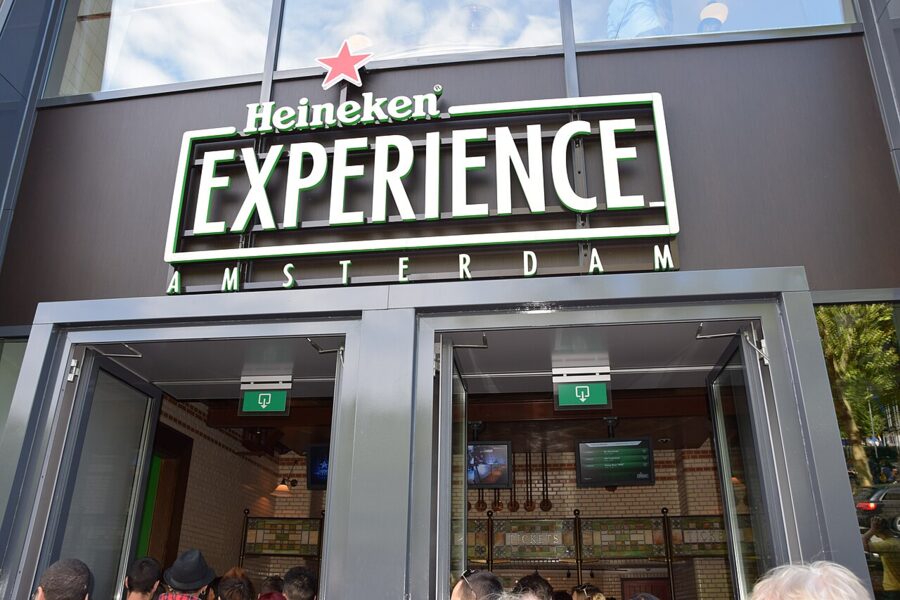
Nothing has been brewed at Stadhouderskade 78 since 1988. The copper kettles in the brew room are polished to a shine, a clock hangs over them, and the beer poured for you at the end of the tour is made somewhere else. The ticket for that beer, and for about an hour and a half of the Heineken story told by the company that sells it, costs €24.95 (about US$29) as of November 2026.
That is the Heineken Experience in short: a brand museum inside a real nineteenth-century brewery on the edge of De Pijp. It is one of the busiest paid attractions in Amsterdam, drawing hundreds of thousands of people a year, and on a Saturday in summer the entry slots can sell out. Some of it is good industrial history. Some of it is advertising with the lights turned down.
Whether it is worth your money depends on what you came to Amsterdam for. If you like beer, are 18 or over, and have never stood in a nineteenth-century brew house, it is a decent two hours with a drink at the end. If what you want is to taste Dutch beer, the better glass is a short walk or ride away, and it costs less.


Who it suits, and the verdict
It suits a first-time visitor who drinks beer, has two hours between the museums and dinner in De Pijp, and does not mind being sold to. The building is real, the brew room is handsome, the self-guided route moves along at your own pace, and the rooftop bar is a decent place to sit with a glass over the city. It works in bad weather, which in Amsterdam counts for something.
It does not suit families. The Heineken Experience admits no one under 18, and its rule on minors is explicit that an accompanying parent makes no difference. With children, spend the afternoon at NEMO instead. It also does not suit anyone who wants to learn about Dutch brewing in general: this is the story of one company, told by that company, and the other breweries of the Netherlands do not appear.
My verdict: worth it once, on a weekday morning, with the cheaper ticket, if Heineken means something to you. Not worth a Saturday afternoon queue, and not worth the premium tickets unless you want a long tasting with a guide. If you only want a beer with a view, the rooftop has its own ticket, and if you want good Dutch beer, go to Proeflokaal Arendsnest on the Herengracht, where none of the 52 taps is Heineken.
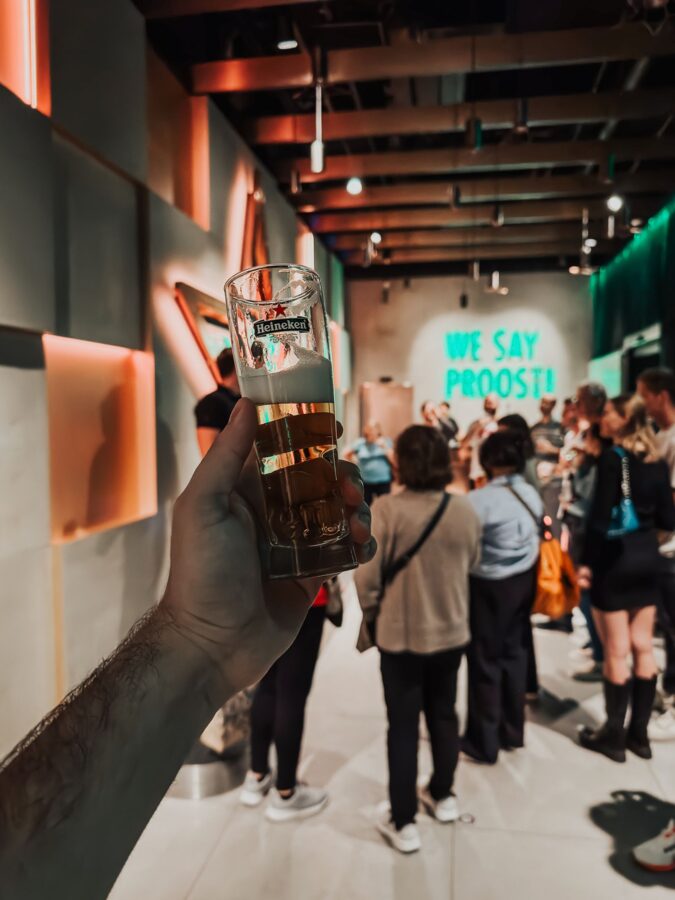
A brewery that stopped brewing in 1988
The Heineken name in Amsterdam starts a little earlier and a little further north. In 1864 Gerard Adriaan Heineken, then in his early twenties, bought De Hooiberg, a brewery that had stood in the old center since the late sixteenth century. Within three years he had a new and much bigger brewery outside the old city, on the Stadhouderskade by the Singelgracht, which was then the edge of town. It went up in 1867.
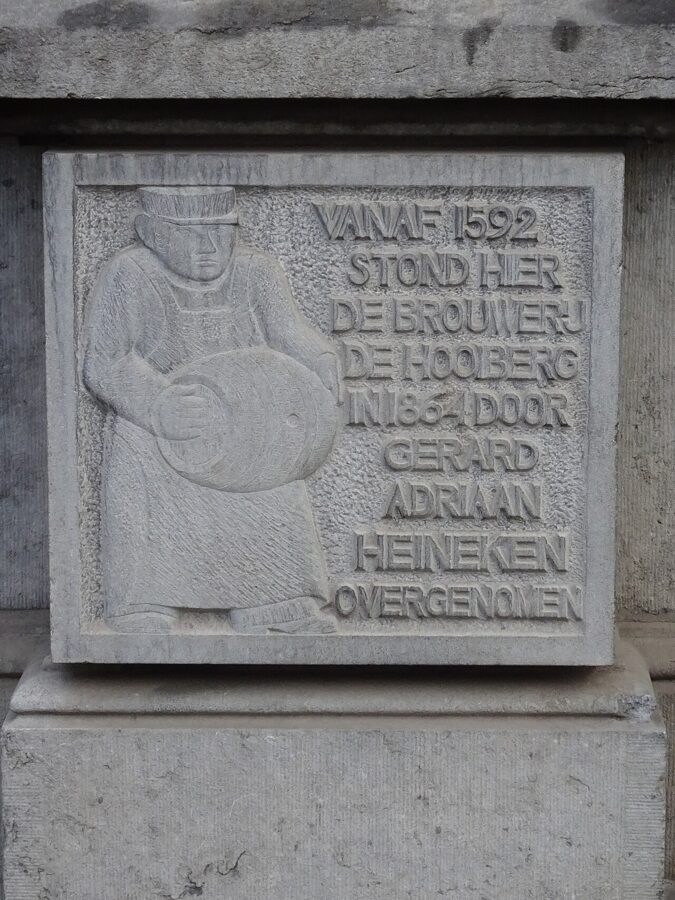

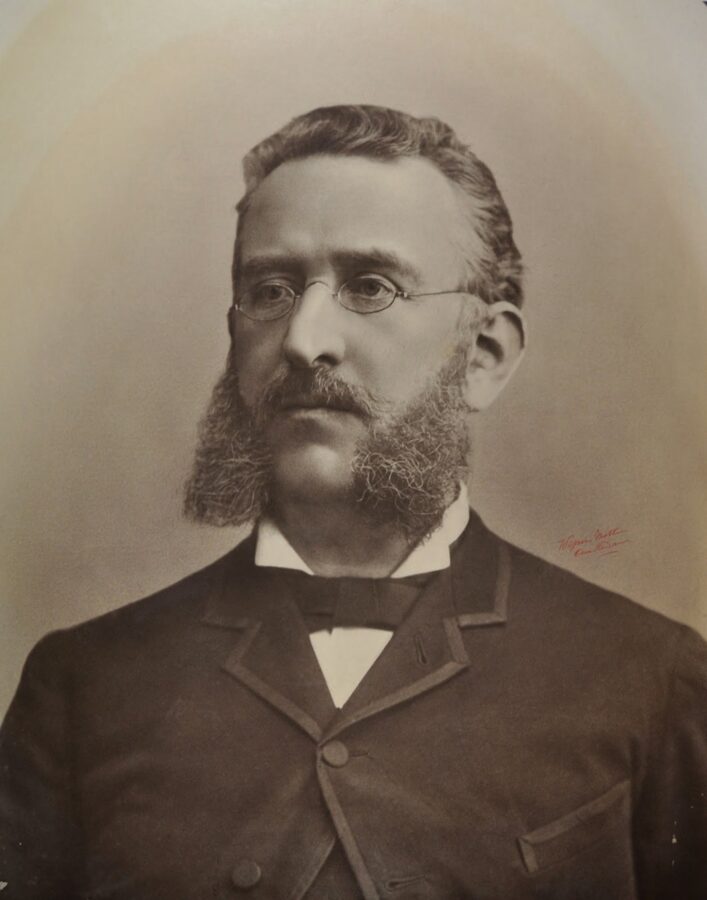
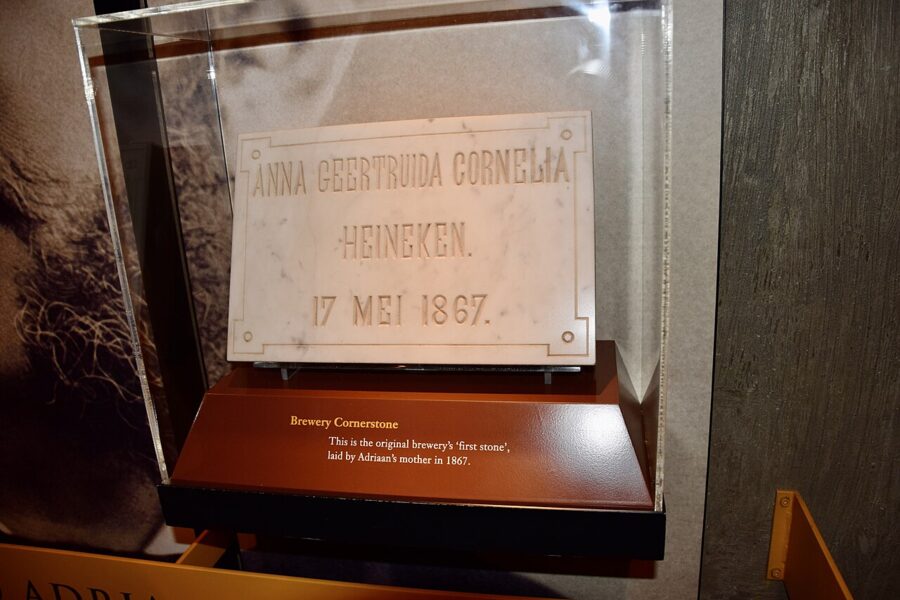
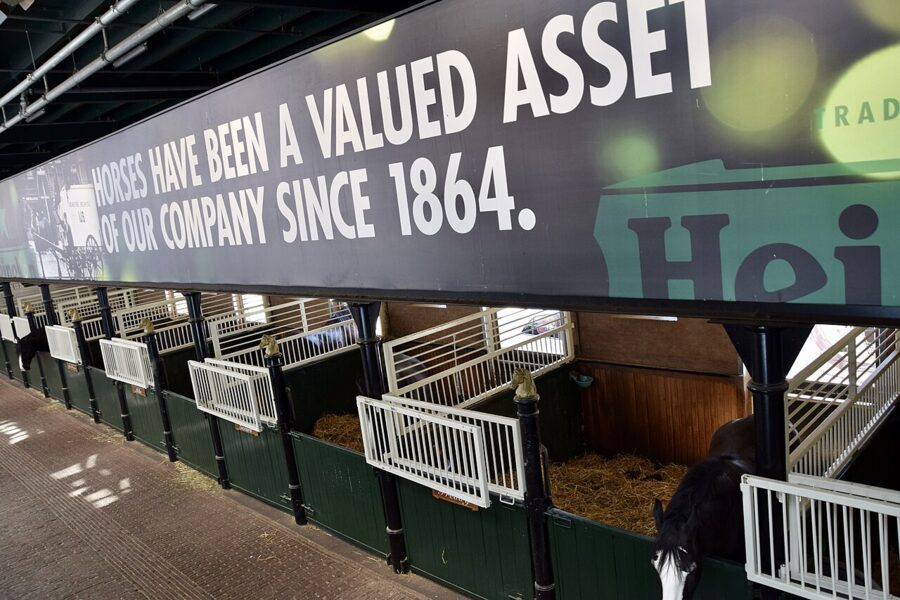
Inside the Experience you can still see the first stone of that brewery, a marble block carrying the name of Anna Geertruida Cornelia Heineken and the date 17 May 1867. The complex grew around it for more than a century. Draft horses pulled beer wagons out of the yard and into the city, and the brewing filled the streets around it with the smell of malt.

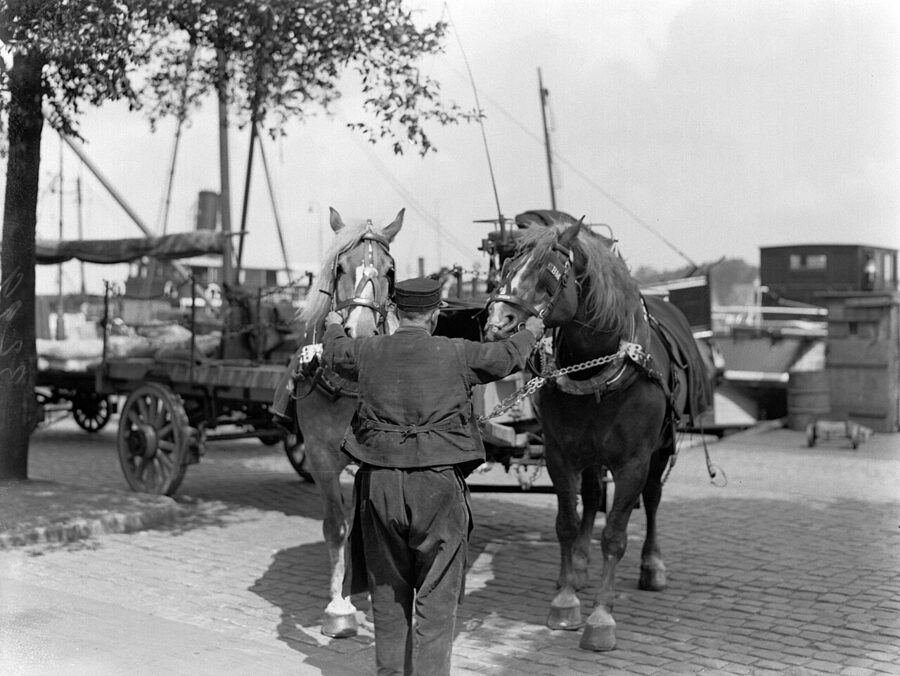
In the end production outgrew the old building, boxed in on every side by the housing of De Pijp. Heineken already had a much larger brewery at Zoeterwoude, near Leiden, and in 1988 brewing in Amsterdam stopped and moved there.
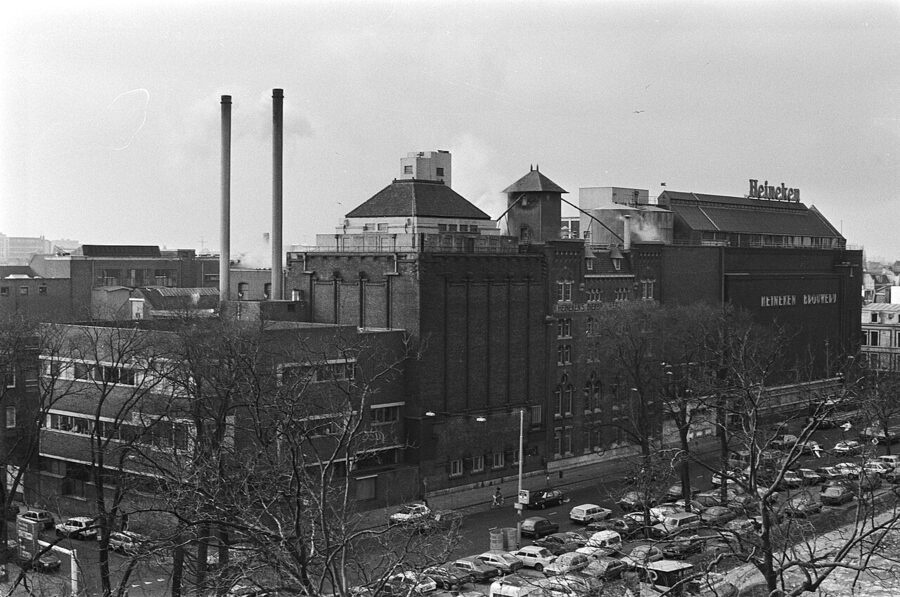
Part of the complex was demolished, and in 1991 a visitor center opened in what remained. The Marie Heinekenplein, the square behind the brewery with its café terraces, was laid out on the cleared ground. The visitor center took the name Heineken Experience around 2001, closed in October 2007 for a rebuild by an American design firm, and reopened on 3 November 2008 with four floors of exhibits.
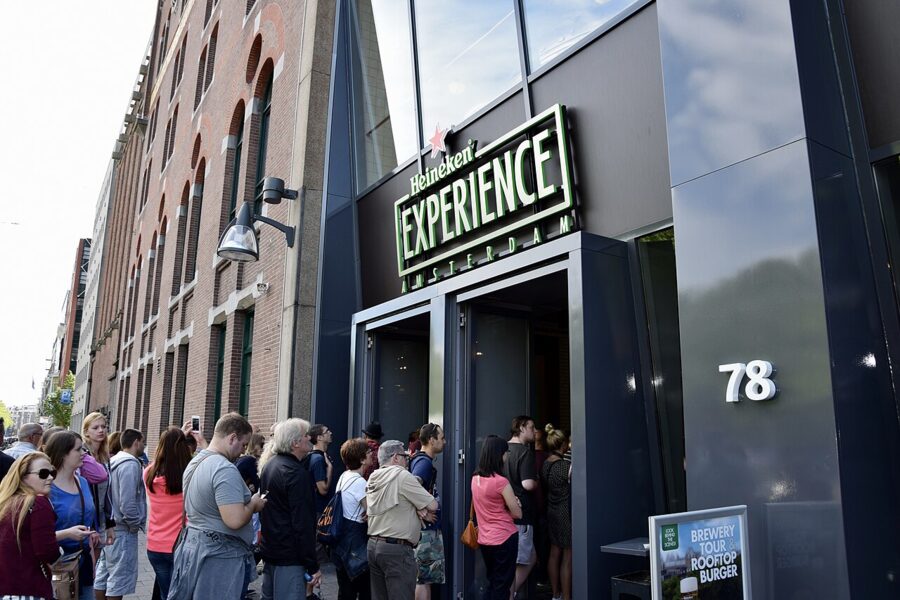
The latest change came between 2021 and November 2022, when a renovation of about 14 months replaced the entrance and the facade at street level, built a bigger reception hall, and redid the flagship store, the rooftop bar and the roof terrace. The main purpose was to stop the queue that used to form on the sidewalk of the Stadhouderskade. On a busy day it now forms indoors.

What the tour covers now
You enter at your booked time, and from then on the route is self-guided: there is no group to keep up with and no fixed pace. An audio guide is free and runs on your own phone, so bring headphones. Hosts greet you in the brew room, and the official estimate for the basic tour is 90 minutes to two hours.
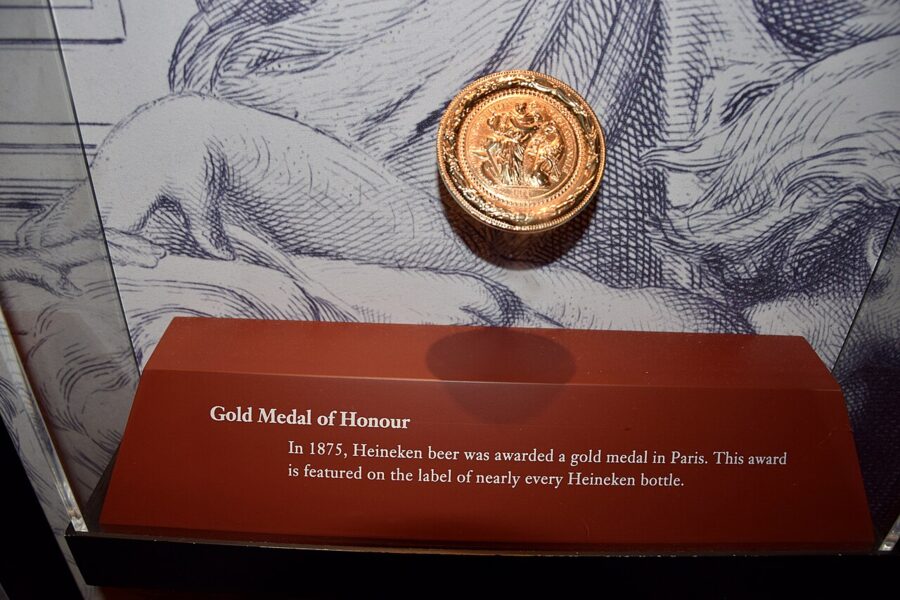
The route starts with the history: the 1864 purchase, the 1867 stone, the family, the old labels and the star. Expect displays of bottles and medals, old advertising, what the company itself calls its sometimes crazy innovations, and a run of rooms on its sponsorships. It is well made and tells you what the company wants you to know. The parts it does not dwell on, such as the 1983 kidnapping of Freddy Heineken, are left to other books.


The brew room
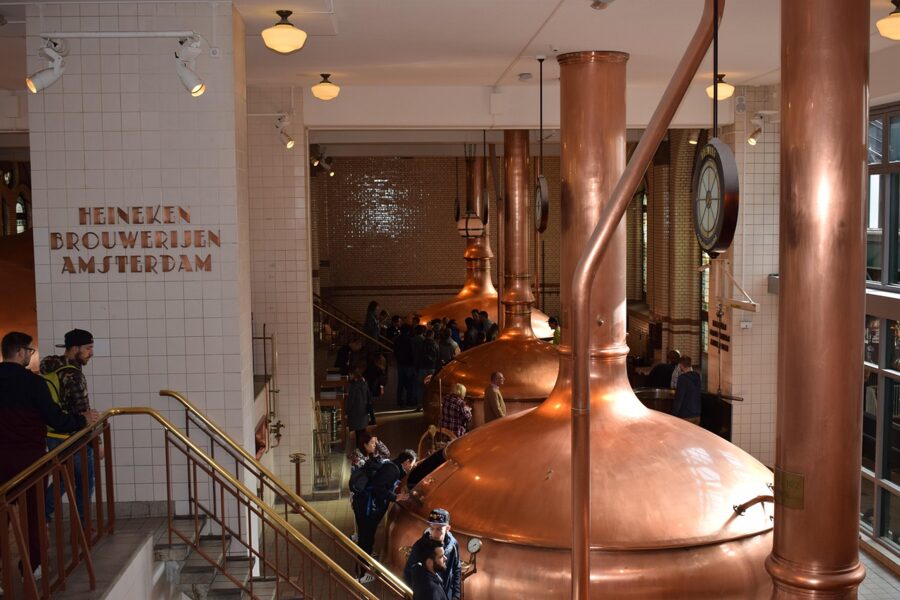
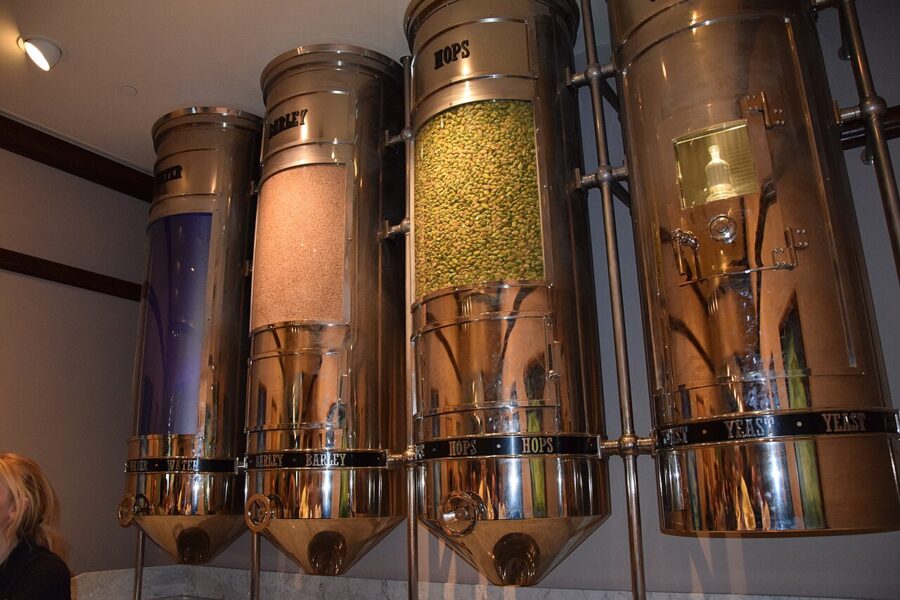
This is the best room in the building, and the reason to come rather than watch a video. Big copper kettles sit in a hall with white tiles, arched windows of stained glass and old clocks, with a gallery around the top. The bottom level of the brew room is reached only by stairs. Along the way, displays explain the four ingredients, water, malted barley, hops and yeast, and you are encouraged to smell and touch them.
The Brew U Ride
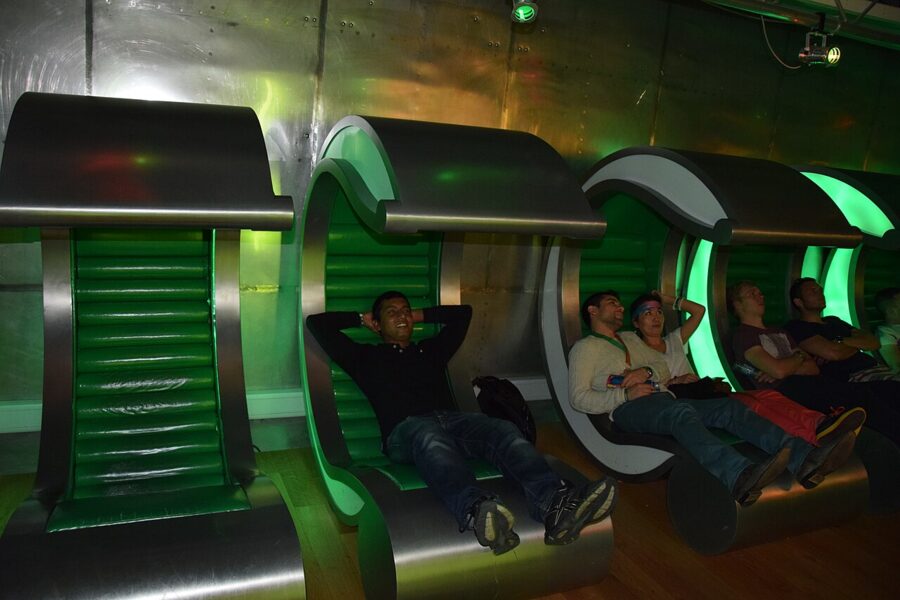
Along the way comes the attraction-park part: a seated motion ride, which Heineken calls the Brew U Ride, that puts you inside the brewing and bottling process as if you were the beer. It is short, loud and a little silly, with screens, moving seats, flashing lights and sound. If you dislike enclosed spaces or flashing light, you can skip it without missing anything important.

The tasting and the Best ‘Dam Bar
Next you are taught how to taste a lager, and how to pour one the way the company wants it poured, with a proper head of foam. Then comes the Best ‘Dam Bar, where the beer included in your ticket is poured and where the route seems designed to make you linger. There are table games, more screens, and beer, soft drinks and snacks for sale.
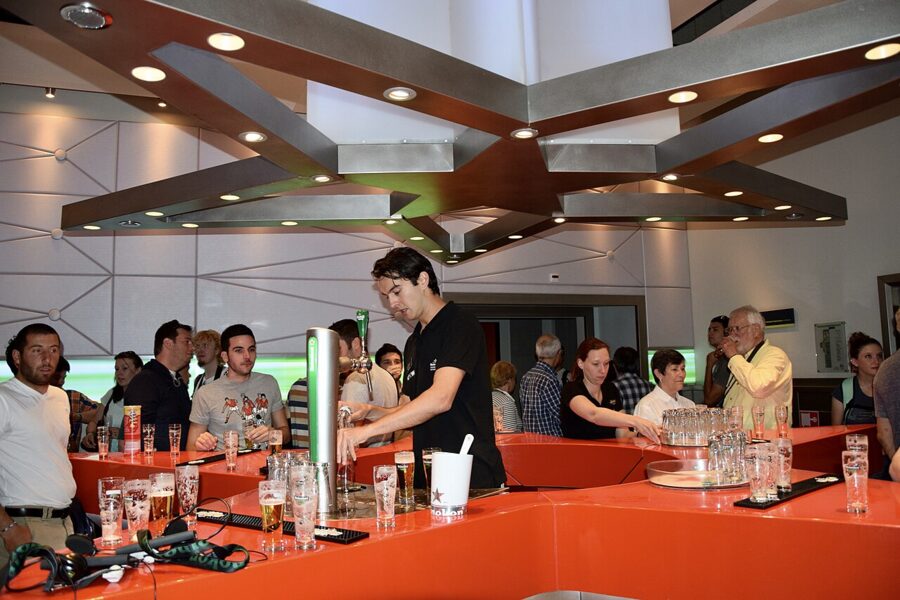

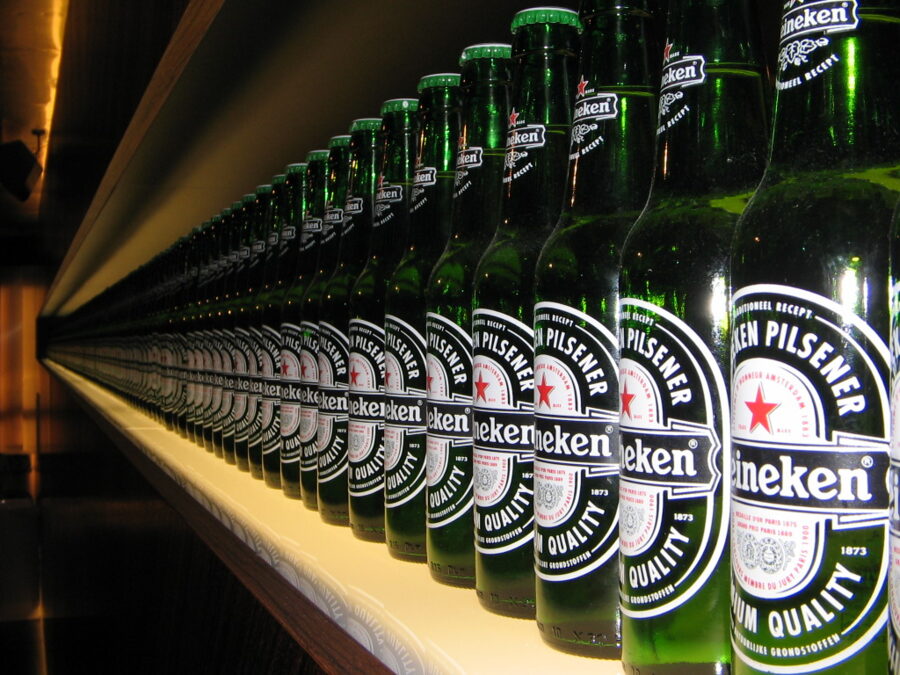

The route ends in the Heineken Flagship Store, which the company calls the only official Heineken store in the world. It sells branded goods and has a corner for personalized products, and you can walk into it from the street without a ticket until 19:00 on weekdays and 20:30 at weekends.
The rooftop bar and the Heineken Studio
The top floor holds the rooftop bar, an indoor bar with a terrace and a view over the roofs of the city. It also holds the Heineken Studio, where the company tests ideas on drinkers: lagers topped with flavored nitrogen foams, small pilot brews from the brewers, limited editions, and a tap that lets you adjust a draft to your taste from what it claims are 135 combinations.
Access to the rooftop needs either the Tour + Rooftop ticket or the separate Rooftop Bar ticket. With the combined ticket, the rooftop opens to you about 90 minutes after your tour start time, and you get a second drink up there. The terrace can close partly in bad weather.
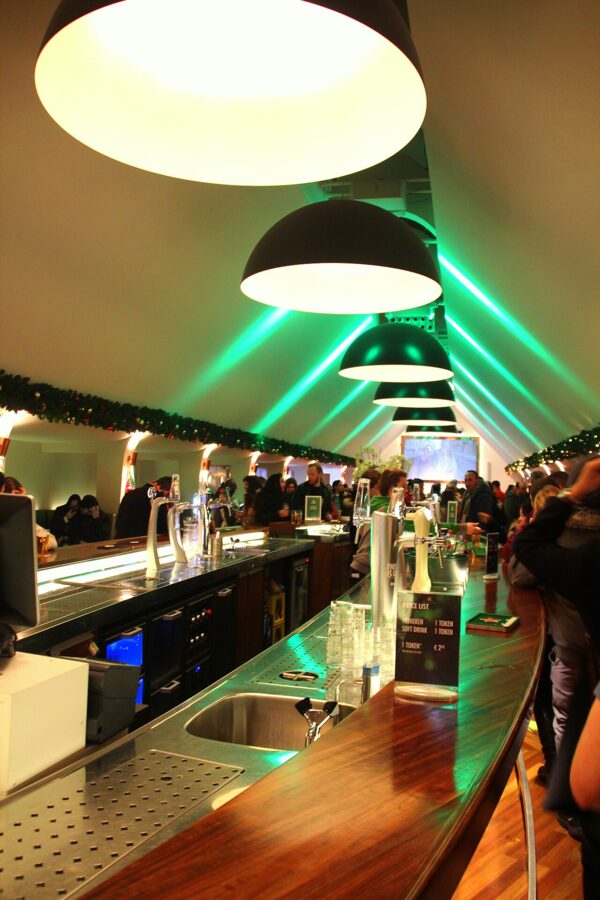

The hours are worth checking on the day. The venue’s general questions page gives the rooftop as open from 12:00 to 19:00 Sunday to Thursday and 12:00 to 20:30 on Friday and Saturday; the rooftop ticket page gives 12:00 to 19:30 and 12:00 to 21:00, with last entry at 18:15 and 19:45. Both were on the site in November 2026.
Tickets, prices and time slots
All tickets are for a timed entry slot, and they are bought online from the Heineken Experience’s own ticket shop or through resellers who charge about the same. Walk-up tickets exist but are limited, and on Saturdays and from April to October you should not count on them. These are the prices as of November 2026.
| Ticket | Price | What you get |
|---|---|---|
| Heineken Tour | €24.95 (about US$29) | Self-guided tour, one beer; about 90 minutes |
| Heineken Tour + Rooftop | €29.95 (about US$35) | Tour, rooftop bar and Heineken Studio, two drinks; about two hours |
| Heineken Guided Tour | €44.95 (about US$52) | The tour with a guide, plus rooftop and Studio |
| VIP Tour | €65 (about US$75) | Guide for up to 10 people, behind-the-scenes rooms, five beers with bites; about 2.5 hours |
| Heineken Rooftop Bar | €15 (about US$17) | Rooftop bar and Studio only, two drinks, no tour |
| Flagship Cruise | €38.50 (about US$45) | Tour plus a one-hour canal cruise with a drink on board |
| Heineken Experience x Moco Museum | €39 (about US$45) | Tour plus the Moco Museum on the Museumplein |
| The Perfect Match | €34 (about US$39) | Tour plus a tour of the Johan Cruijff ArenA |
The combined tickets are shown on the site next to higher crossed-out prices; the figures above are what you pay. The extra €5 for Tour + Rooftop is the best value on the list if you would buy a second drink anyway, since that drink is included. The VIP Tour ends in one of two private bars styled after people from the company’s history, Freddy’s or Henry’s, and includes a bottle with your name on it. Freddy is Freddy Heineken, the grandson who ran the company for decades and who also ended up owning the Hotel de l’Europe.

Opening hours and how long it takes
The Heineken Experience is open every day of the year, with shorter hours possible on public holidays. As of November 2026 the opening hours are:
- Sunday to Thursday: 10:30-19:30, last entry 17:15
- Friday and Saturday: 10:30-21:00, last entry 18:45
Allow 90 minutes to two hours for the basic tour, 30 to 45 minutes more for the rooftop, about 2.5 hours for the VIP Tour, and 45 to 60 minutes more for a ticket with a canal cruise. Only the entry time is fixed. Nobody hurries you out of the bar.
Age, ID and the rules at the door
Everyone must be 18 or over, and staff may ask for a passport, national identity card or driving license on arrival.
Small bags and backpacks go into free lockers that take up to 32 x 23 x 49 cm; suitcases and larger bags cannot be stored, and the venue points you to Lockerpoint at Marie Heinekenplein 12. Payment inside and in the store is by contactless card only. Cash is not accepted. The house rules forbid smoking and outside food and drink, and say bags may be searched.
Changes, refunds and the City Card
There are no refunds, though the venue says it will try to rebook you. The Tour and Rooftop Bar tickets can be moved online up to an hour before your slot; other tickets are changed by email. Student discounts do not exist. Holders of the I amsterdam City Card get 25 percent off but must book a time slot through the card’s own link with their voucher code; it is a discount, not a free entry.
When to go
Saturday is the busiest day, and April to October the busiest season. The quietest times are weekday mornings, ideally before 13:00. The accessibility guide recommends Sunday to Thursday from 10:30 to 14:00 for anyone who needs space.
Lifts or ramps reach every floor, wheelchairs can be borrowed on arrival, and there is limited seating on the route; the lower level of the brew room is stairs only. Hearing-impaired visitors can bring their own sign-language interpreter on a free ticket.
The canal-boat combination
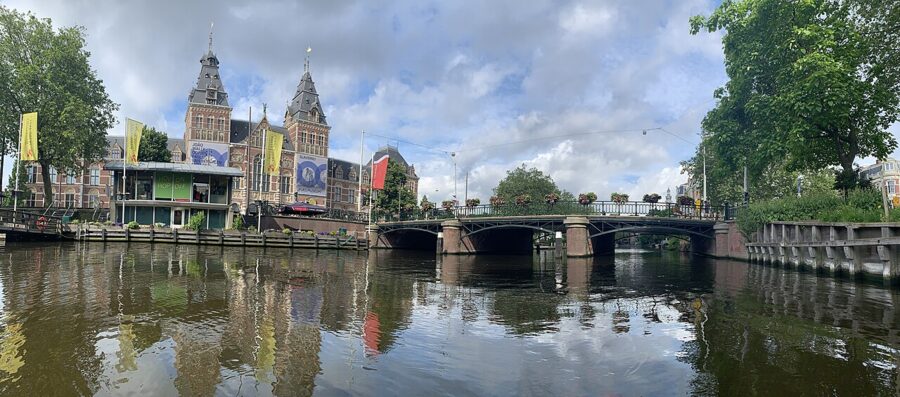
The Flagship Cruise ticket pairs the self-guided tour with a one-hour canal cruise with a guide on board. You do the tour first, then walk about 15 minutes along the Stadhouderskade to the boat, which leaves from the Museumbrug in front of the Rijksmuseum. The venue tells you to leave 30 minutes between the end of the tour and the boat, and to be at the pier 15 minutes before departure.
One drink is included on the boat, a beer, a soft drink or water, and you can buy more on board. The boat is a sloop for up to 30 people, open in summer and covered in winter. It is not wheelchair accessible.

Is it a deal? At €38.50 it costs almost exactly what the tour and a standard one-hour cruise from the big operators cost bought separately, since a basic hour on the water starts at about €13.50 (about US$16). Against the smaller boat companies, whose public hours start nearer €19.40 (about US$23), it saves about €6.
If you already hold the City Card, which includes a canal cruise with several operators, buy the two separately. The canal cruises guide compares the boats and piers.
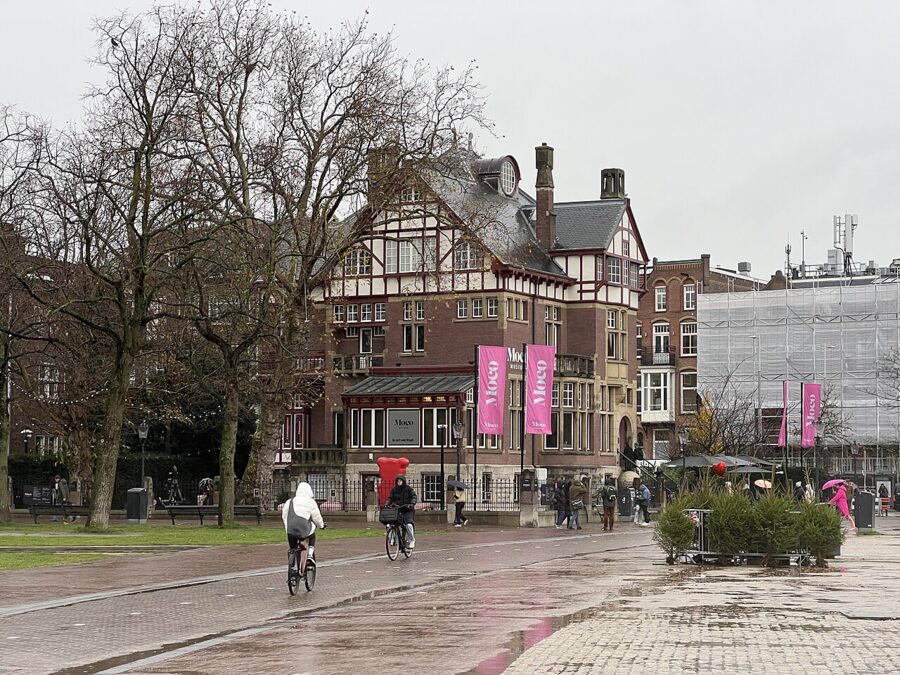
The other two combined tickets are simpler sums. The Moco Museum version, at €39, adds the private museum of street and contemporary art in a villa on the Museumplein, which is on the same side of town. The Perfect Match, at €34, adds a stadium tour of the Johan Cruijff ArenA, home of Ajax, out in Zuidoost; it suits football fans with a spare half day and nobody else.

De Pijp around it
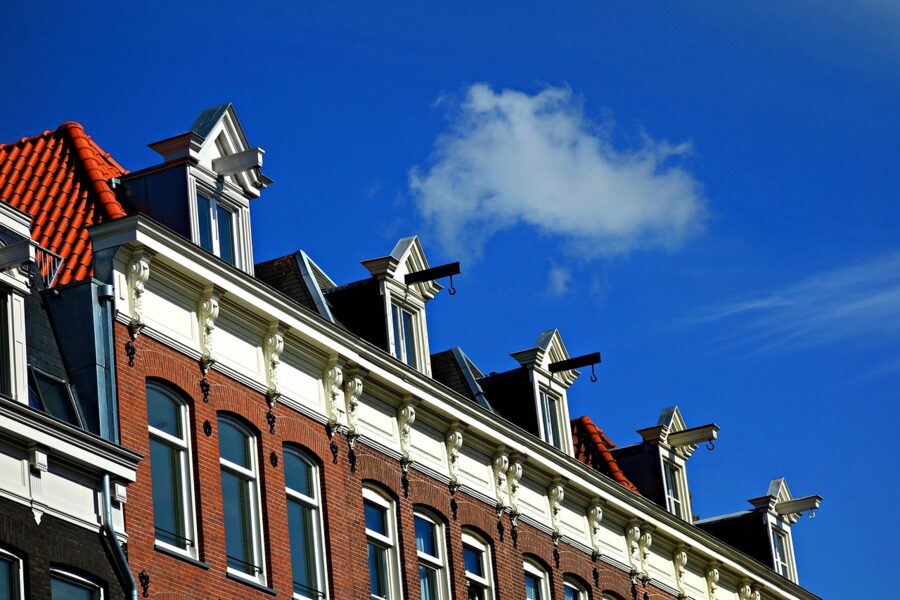
The Heineken Experience sits on the northern edge of De Pijp, a neighborhood of long straight streets built quickly in the late nineteenth century as housing for working families. Many of its streets are named after painters of the Dutch Golden Age, and it is where people who live in Amsterdam come to eat and drink on a weeknight. Walk out of the brewery, turn the corner, and you are in it.
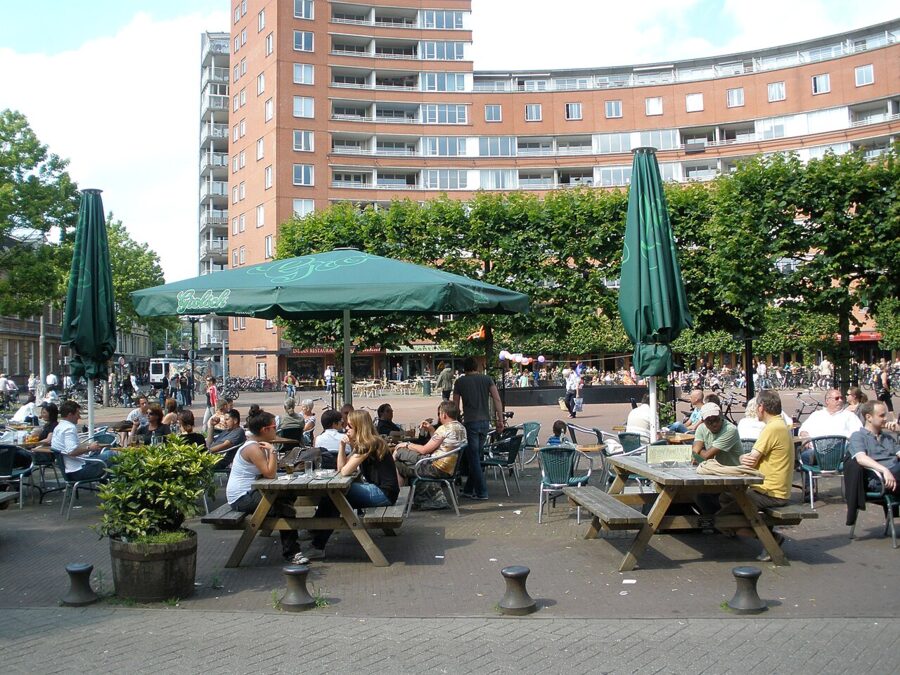
Behind the brewery is the Marie Heinekenplein, the square laid out on the old brewery grounds, ringed with café terraces and a good place to sit after the tour.
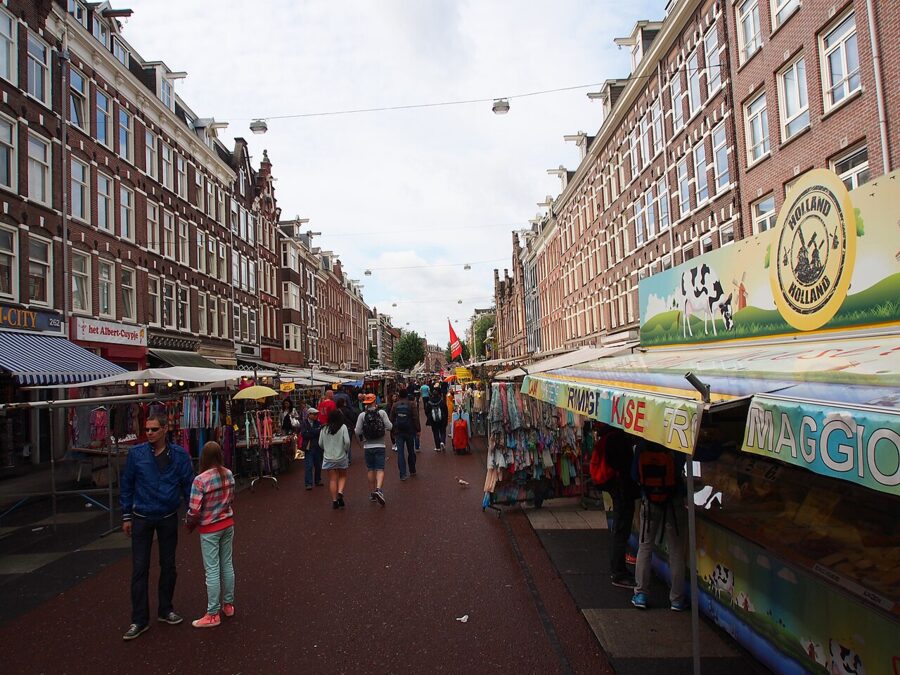
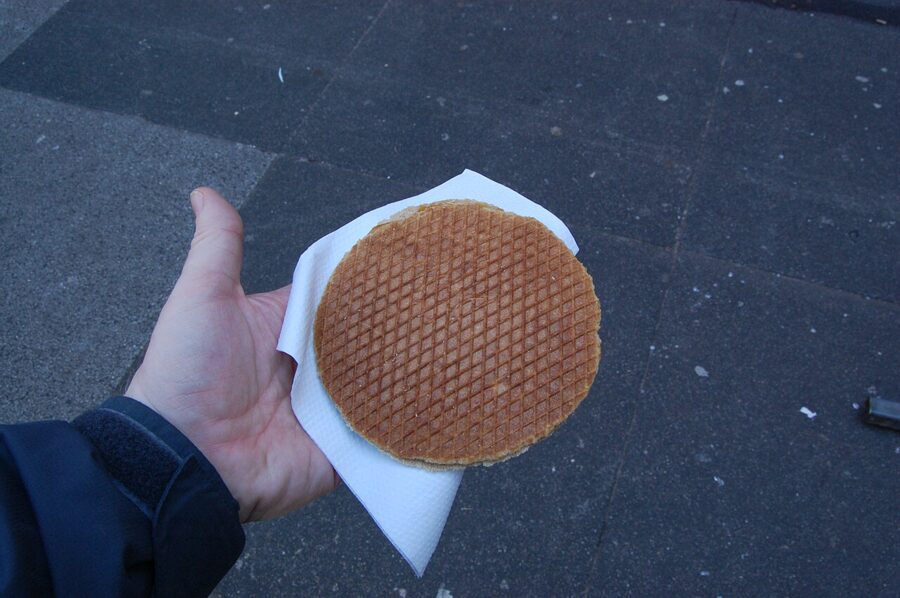
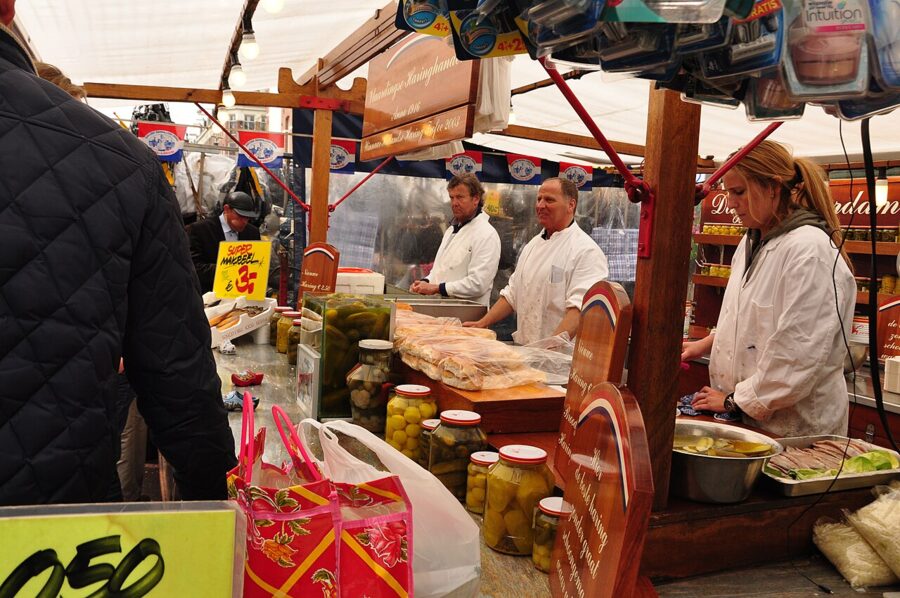
Five minutes further south is the Albert Cuypmarkt, the city’s best-known street market, open Monday to Saturday from 09:30 to 17:00 and closed on Sundays and public holidays. It sells fish, cheese, fruit, cheap clothes and phone cases, with stroopwafels made at the stall and raw herring with onions at the fish stands. Dutch food eaten standing up is the reason to go, and the market is best before the midday crowds. For the three big markets compared, see Waterlooplein.


If you want to stay in the neighborhood, Bicycle Hotel is a small family-run place a few minutes south of the market, and where to stay in Amsterdam compares De Pijp with the rest of the city.
Better Dutch beer nearby
Heineken is a lager made for the whole world, and nobody goes to the Experience for the beer. The Netherlands now has hundreds of small breweries, and three places within reach of the Stadhouderskade pour their work. All three were open as of November 2026.
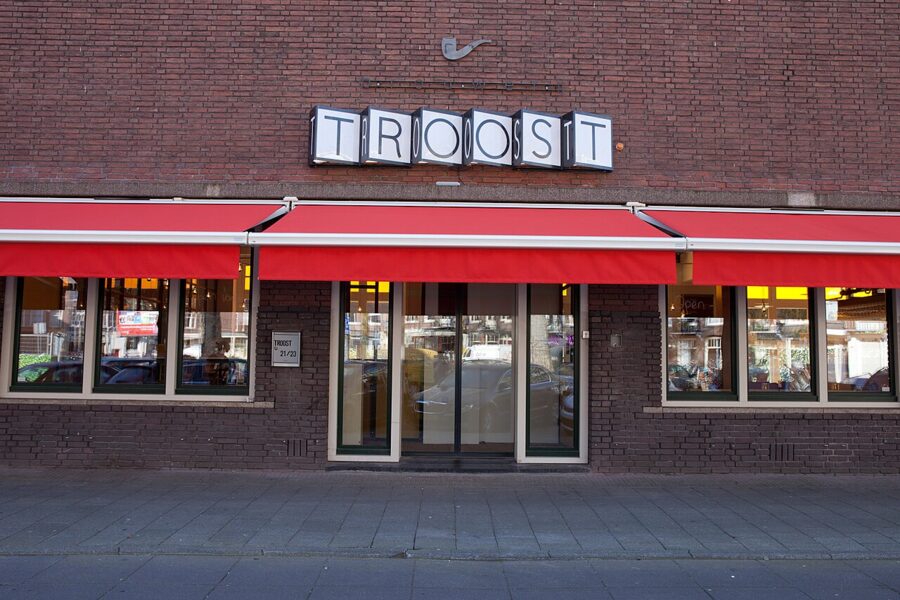
The nearest is Brouwerij Troost, a brewpub on the Cornelis Troostplein in the south of De Pijp, about 20 minutes on foot from the Stadhouderskade. It pours its own beers, has a kitchen that serves until 22:30, and runs pub quizzes on Monday and Tuesday evenings. It is the place to taste beer from a brewery that started in De Pijp, which is more than the Heineken Experience can offer.

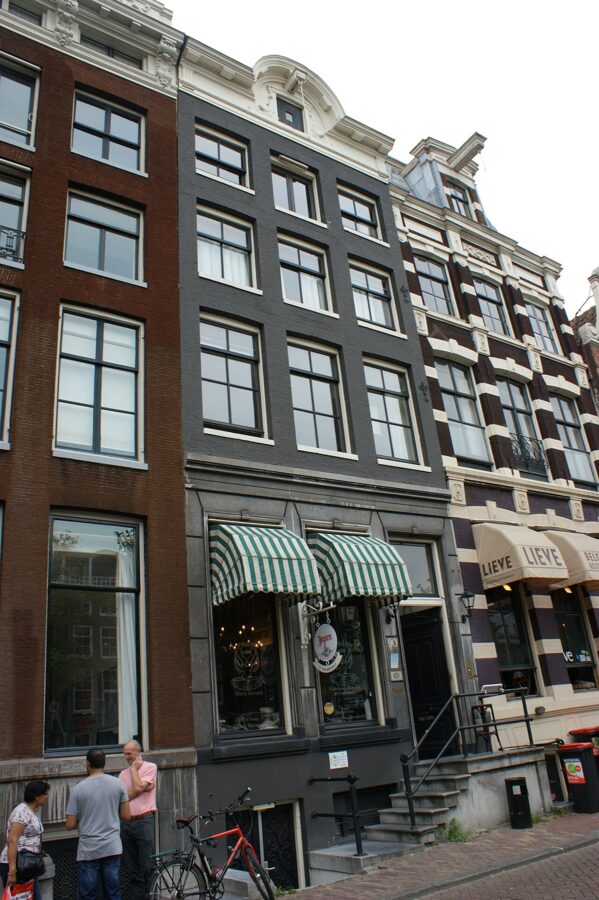
The best is Arendsnest at Herengracht 90, in the canal ring north-west of the Dam, where every one of the 52 taps pours Dutch beer from breweries all over the country. Ask for a 15 cl glass and you can work through five or six in an evening. It is open until midnight Sunday to Thursday and until 01:00 on Friday and Saturday.

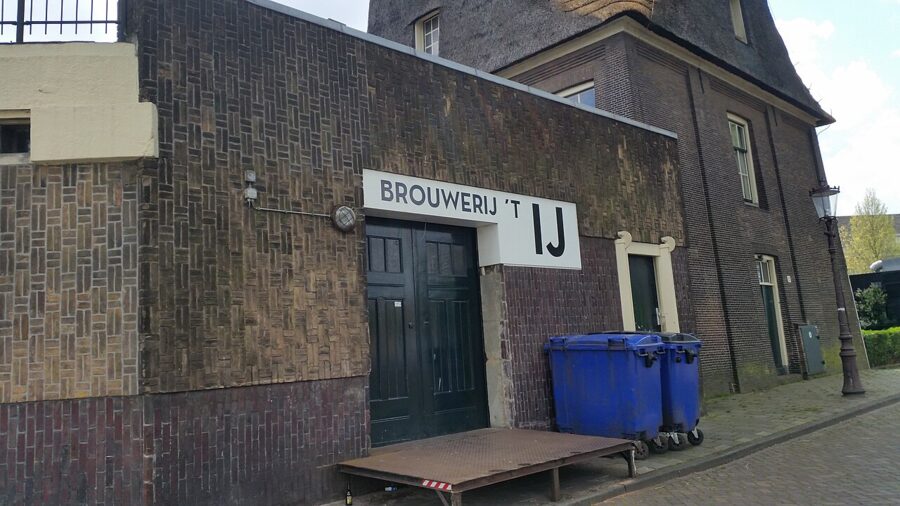
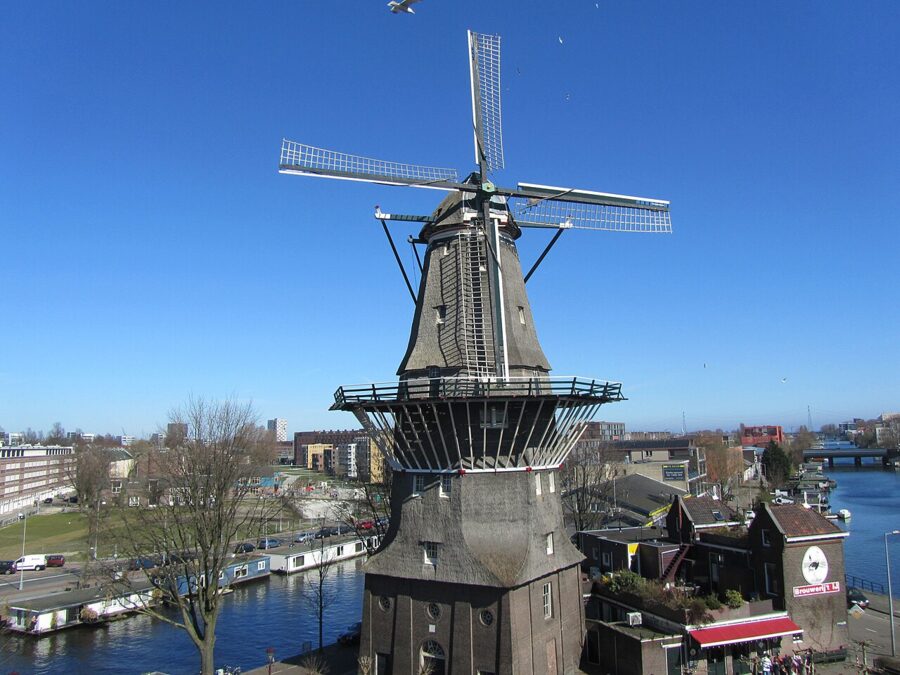
The most famous is Brouwerij ‘t IJ, which brews in a former bathhouse under the De Gooyer windmill at Funenkade 7 in Oost. Its taproom opens 14:00-22:00 Monday to Friday and 12:00-22:00 at weekends, and a tasting of five 15 cl glasses costs €17.50 (about US$20). In daylight it also pours in the round tea house in the Vondelpark, its second taproom since 2018. For bars further afield, see Amsterdam nightlife.


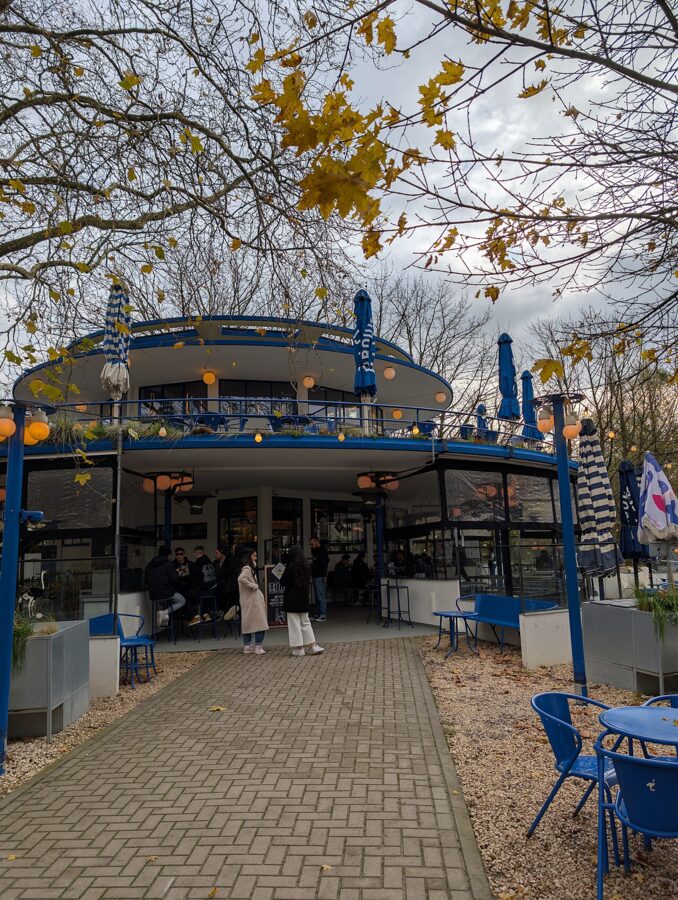
Getting there
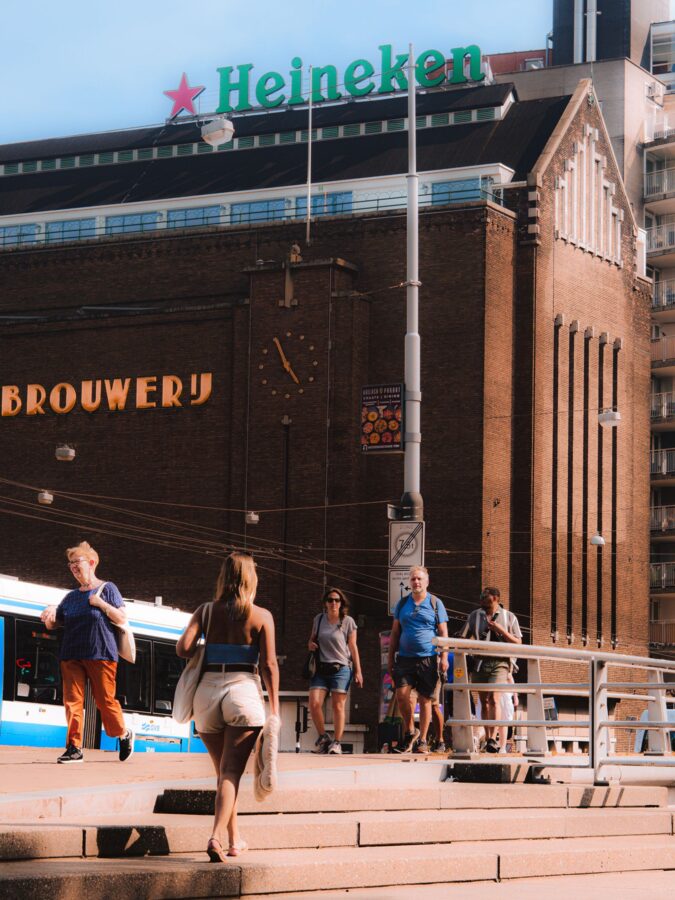
The address is Stadhouderskade 78, facing the Singelgracht at the top of the Ferdinand Bolstraat. The easiest way from Centraal Station is metro 52, the Noord/Zuidlijn, to Vijzelgracht or De Pijp, both about five minutes on foot from the entrance. The tram stop Marie Heinekenplein is right outside the door; check the current line on the GVB planner, because the tram network was reorganized in March 2026.
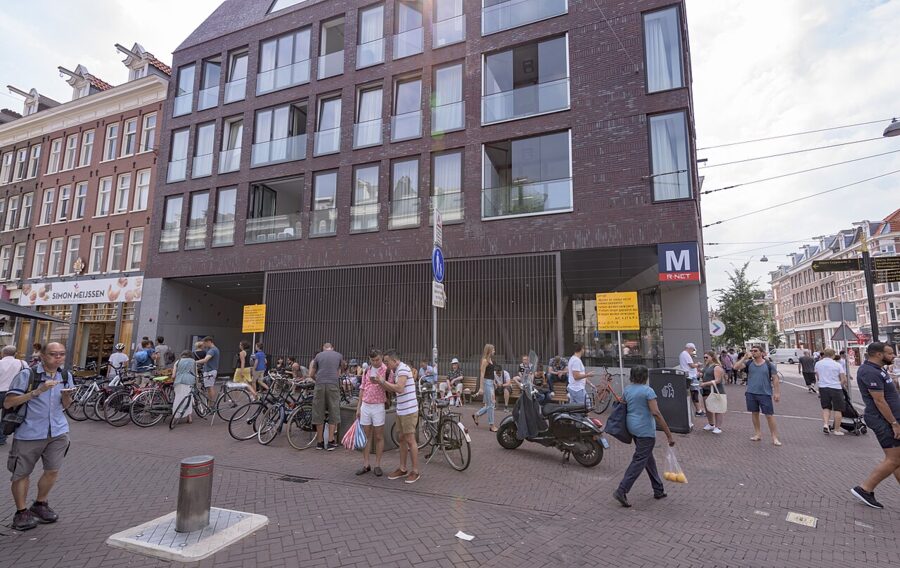

On foot it is about 30 minutes from Centraal Station, about 15 from the Rijksmuseum and a little more from the Van Gogh Museum, which makes it easy to fold into a day on the Museumplein. By bike it is about 15 minutes from Centraal. There is no parking at the venue. The nearest garage, behind the Marie Heinekenplein on the Eerste van der Helststraat, is paid, and the venue itself tells you to come by public transport.
Book the cheaper ticket for a weekday before lunch, take metro 52 to De Pijp, and stand in the brew room for as long as you like. Then drink your free beer, walk out through the store, and have the second one somewhere that brews it.